Living in a small space doesn’t mean accepting a cramped, cluttered home. The right <a href="https://rock-villa.com/how-to-interior-design-trends/”>design strategies can transform a tight apartment, studio, or modest house into a functional, livable sanctuary. Small space design isn’t about sacrificing comfort, it’s about being intentional with every square foot. Whether you’re working with a 400-square-foot studio or a compact one-bedroom, these seven proven solutions will help you reclaim floor space, improve flow, and make your home feel larger and more welcoming.
Table of Contents
ToggleKey Takeaways
- Assess your layout and prioritize function before buying furniture—identify daily activities, essential pieces, and traffic patterns to avoid costly mistakes in small space design.
- Vertical storage on walls and tall, slender furniture maximize square footage without consuming floor area, making spaces feel larger and more open.
- Multifunctional furniture like storage ottomans, murphy beds, and nesting tables serve multiple purposes and eliminate the need for single-use pieces in compact homes.
- Strategic lighting (ambient, task, and accent) combined with light, neutral colors and mirrors create the illusion of depth and make small spaces feel airier and more welcoming.
- Decluttering ruthlessly and organizing with clear systems—drawer dividers, labeled containers, and closed storage—prevents visual chaos and maintains livability in tight quarters.
- Floating furniture and mirrors that extend sightlines create visual flow and make small spaces feel less cramped than pushing all pieces against walls.
Assess Your Layout and Prioritize Function
Before moving furniture or buying storage systems, spend time understanding your space. Grab a measuring tape and notebook, rough dimensions of each room, ceiling height, doorways, and windows are your starting point. Mark where natural light enters and which areas get the most traffic. This isn’t busy work: it’s the foundation that prevents expensive mistakes.
Next, identify your “zones.” In a one-room studio, you might have a sleeping zone, living zone, and work zone. In a small kitchen, you’re balancing cooking, prep, and storage in tight quarters. Ask yourself: What activities happen here daily? What furniture is essential? What can go? Too many small spaces fail because people cram in pieces that look nice in theory but create dead zones and poor traffic flow.
Prioritize ruthlessly. If you work from home, your desk takes precedence over a cocktail table you rarely use. If cooking is central to your life, invest in a functional kitchen layout before worrying about living room ambiance. Interior Design Trends evolve each year, but the fundamentals of spatial planning remain constant: function first, aesthetics second.
Use Smart Vertical Storage to Reclaim Floor Space
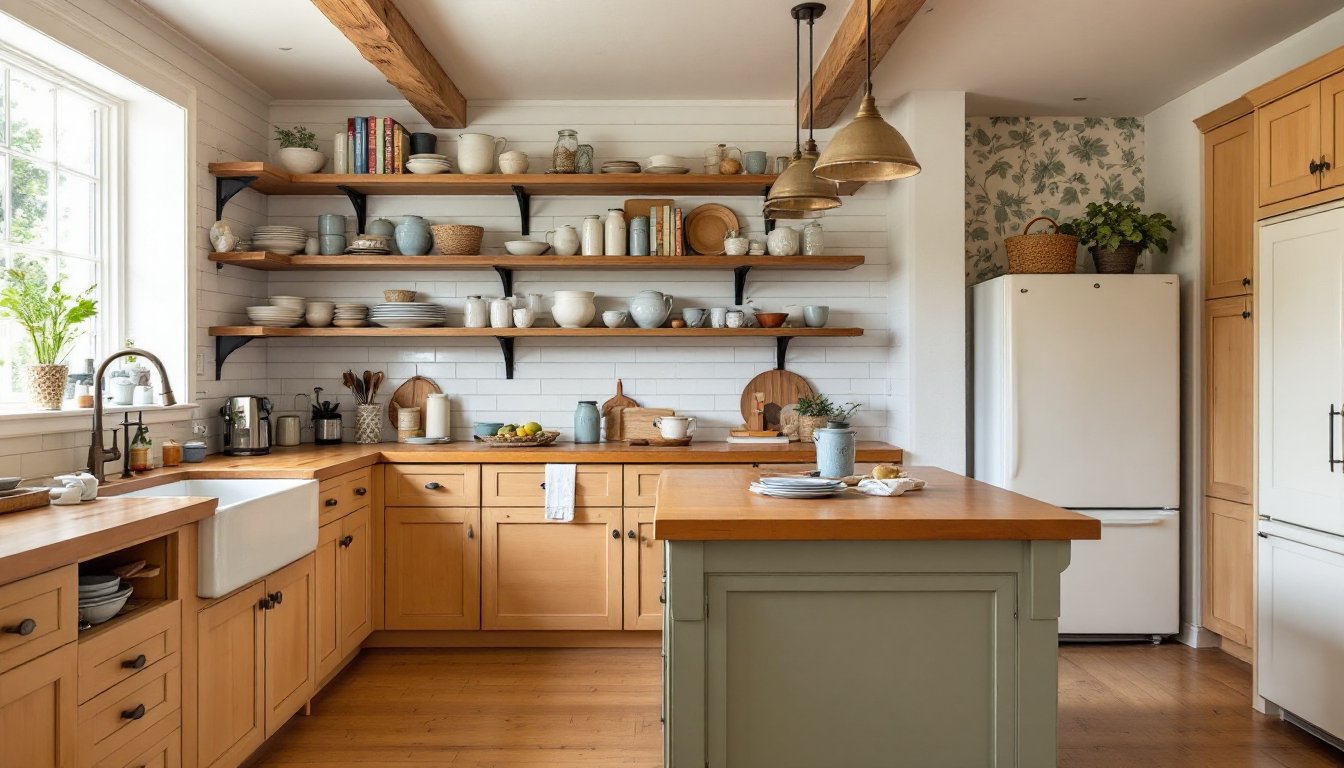
The moment you stop thinking horizontally and look up, small spaces expand. Vertical storage is the single most effective way to maximize a tight footprint. Wall-mounted shelving, tall narrow bookcases, and storage towers use cubic footage that’s otherwise wasted above eye level.
Wall-mounted shelves work best when anchored into studs (the 16-inch-on-center framing behind drywall). Use a stud finder, then install heavy-duty brackets rated for your shelf’s weight and contents. Floating shelves look clean and modern: adjustable shelving offers flexibility. A typical 36-inch-wide shelf holds books, plants, storage boxes, and décor without overwhelming the space.
Tall, slender furniture pieces, think vertical bookcase over a wide dresser, maintain sight lines and prevent the room from feeling bottom-heavy. Corner shelving captures otherwise-dead space. In kitchens, wall-mounted spice racks, magnetic strips for knives, and hooks for utensils free up precious cabinet real estate. Vertical storage doesn’t cost a fortune: basic shelves from hardware suppliers cost $20–$50 per unit installed, far less than rearranging your layout. Over-the-door organizers, tension rods for hanging bags, and wall pegs add storage without eating floor area.
Choose Multifunctional Furniture for Maximum Utility
Every piece in a small space should earn its place. Multifunctional furniture does double, sometimes triple, duty without crowding the room. A storage ottoman holds blankets, extra pillows, and serves as a footrest and occasional seat. A bed with drawers underneath adds sleeping capacity plus storage. A console table behind a sofa can function as a desk, bar, or display surface.
Look for murphy beds (wall-mounted fold-down beds) in studio apartments: they vanish during the day, reclaiming 40+ square feet of floor space. Nesting tables stack together when you need one surface, pull apart when you need two. A kitchen island on wheels provides prep space and storage, then rolls aside if you need room to move.
When evaluating a piece, ask: Does it address a functional need? Does it store anything? Does it serve multiple purposes? If it’s purely decorative in a small space, it’s taking up real estate you probably don’t have. Best Interior Design Trends increasingly favor pieces designed for flexibility and adaptability, especially in urban and compact homes where every item counts.
Optimize Lighting and Color to Expand the Feel
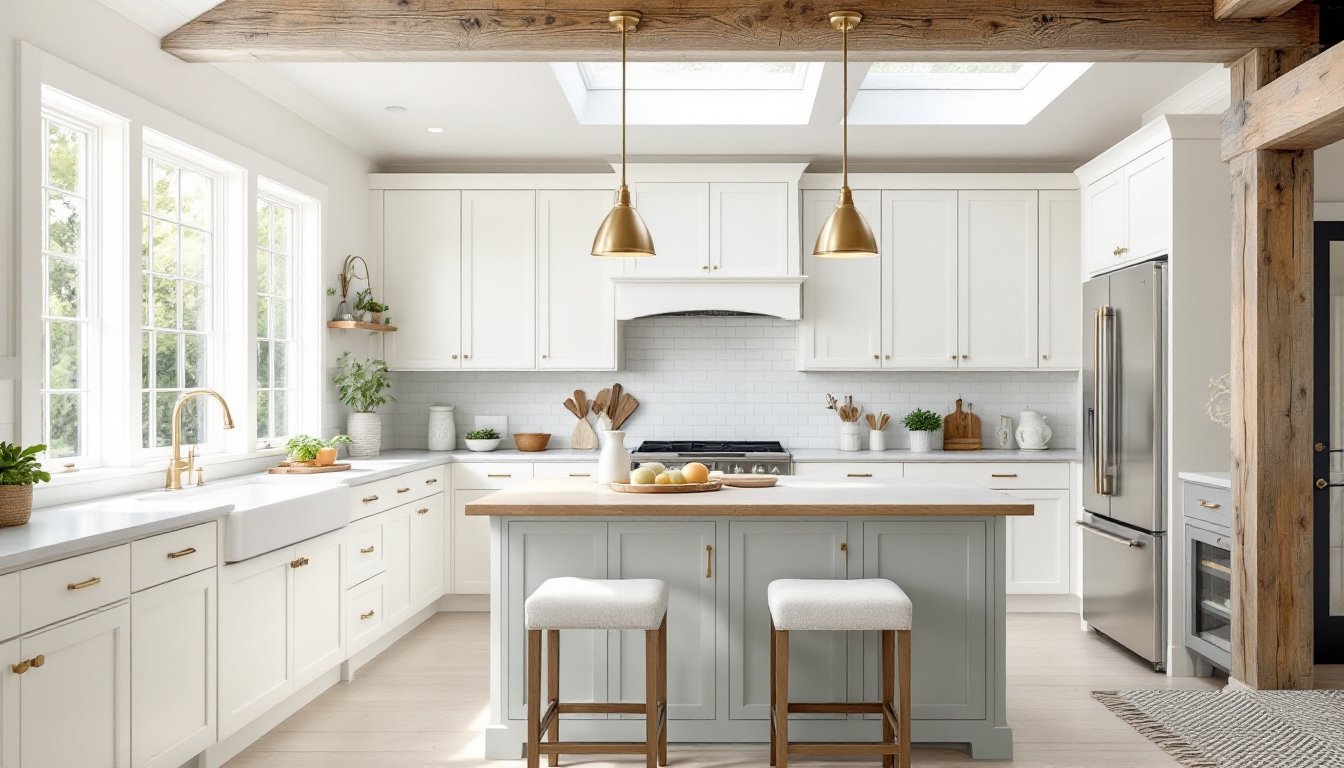
Lighting and color are psychological tools that make small spaces feel larger and more inviting. Poor lighting shrinks a room: bright, layered lighting opens it up. Combine ambient light (ceiling fixtures), task light (desk lamps, under-cabinet lighting), and accent light (wall sconces, pendant lights). Avoid a single ceiling fixture: it creates harsh shadows and a cave-like feel.
Color matters more than you’d think. Light, neutral walls, soft whites, warm grays, pale beiges, reflect light and feel spacious. Dark colors absorb light and compress a room. That said, don’t paint everything beige. Use one accent wall in a deeper tone or pattern to add interest without overwhelming the space. Avoid bold, saturated colors for large surfaces: save them for smaller areas like a throw pillow, artwork, or single wall.
Mirrors are your secret weapon. Placing a large mirror opposite a window bounces natural light around the room and creates the illusion of depth. A mirror behind a lamp amplifies its glow. Reflective surfaces, glass tables, shiny hardware, light-colored paint, make tight spaces feel airier. The Kitchn and other design sources emphasize how strategic lighting transforms compact kitchens and apartments from dingy to luminous.
Declutter and Organize With Purpose
A small space cannot hide clutter. If something doesn’t serve a purpose or bring you joy, it’s stealing square footage and creating visual chaos. This isn’t trendy minimalism, it’s pragmatism. Walk through your home and assess every item: Does it get used? Does it matter to you? Be honest.
Organize what remains ruthlessly. Drawer dividers, shelf bins, and labeled boxes make it clear where things belong. Avoid open piles of papers, mail, or random objects: they compound the sense of cramped chaos. Group similar items, books with books, kitchen utensils together, cleaning supplies in one cabinet. Clear containers let you see what’s inside without opening them, saving time and preventing duplicate purchases.
Storage rules: Out of sight, out of mind. Use closed cabinets or closed storage boxes for everyday items. Open shelving works for objects you actually want to display, nice dishes, plants, curated books. If an open shelf looks cluttered after two weeks, those items belong in closed storage. Seasonal items go into vacuum-sealed bags in the highest or lowest storage spots, out of daily eye-line. Regular purges, quarterly or twice yearly, prevent creep. Small spaces forgive nothing: maintenance is non-negotiable.
Create Visual Flow With Mirrors and Open Sightlines
Small spaces feel larger when your eye can travel unobstructed. Avoid bulky furniture in the center of the room: keep high-traffic paths clear. A common mistake is pushing all furniture against walls, counterintuitively, this often makes a space feel smaller and more cavernous. Instead, try floating furniture: a sofa and chairs angled to create an intimate seating area in the middle of the room opens up the perimeter and defines zones.
Use mirrors strategically to extend sight lines and bounce light. A large mirror mounted on the wall opposite a window multiplies natural light and creates depth. Mirrored closet doors reflect the room and make the space feel deeper. In kitchens and bathrooms, mirrors above sinks or along walls visually expand the footprint.
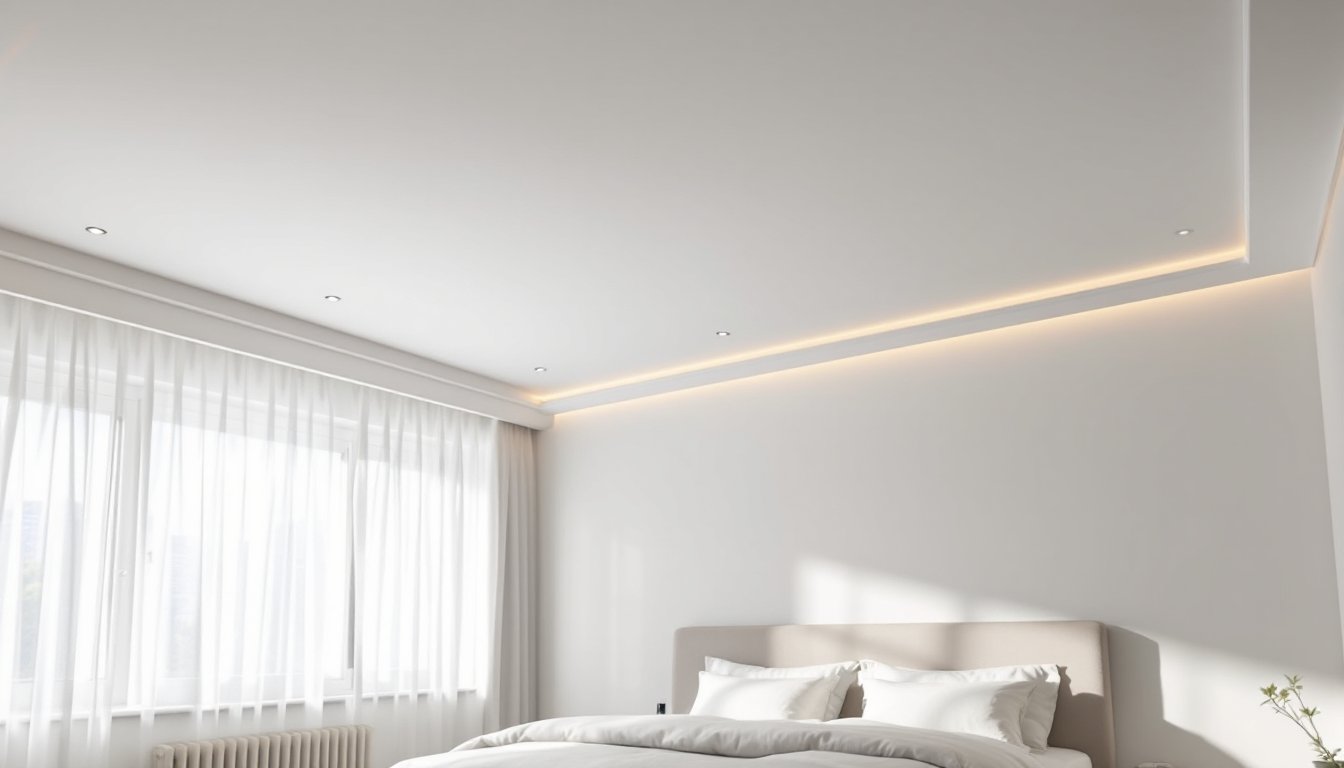
Choose furniture with exposed legs (not skirted pieces that sit on the floor). Visible floor under and around furniture makes a room feel lighter and more spacious. Glass tabletops, open shelving, and furniture in light colors maintain visual transparency. Avoid heavy drapes: opt for sheer curtains or Roman shades that don’t block light or consume wall space. Apartment Therapy frequently showcases how thoughtful furniture arrangement and mirror placement transform cramped spaces into airy, functional homes. These principles work across any small space, from apartments to tiny houses.
Conclusion
Small space design is about strategy, not sacrifice. By assessing your layout, using vertical storage, choosing multifunctional pieces, optimizing light and color, decluttering ruthlessly, and maintaining open sightlines, you’ll transform a tight footprint into a livable, welcoming home. These aren’t cosmetic tips, they’re functional principles that improve daily life. Start with one section, apply these strategies, and watch how your space opens up. A small home, well-designed, often feels better than a large one left to chance.