This interior design trends guide covers the styles shaping homes in 2025. From warm minimalism to bold color choices, designers are embracing comfort, sustainability, and personal expression. Whether planning a full renovation or a simple refresh, understanding these interior design trends helps create spaces that feel both current and timeless. The year ahead brings a mix of organic textures, curved silhouettes, and eco-conscious materials. Each trend reflects a growing desire for homes that look beautiful and support well-being.
Table of Contents
ToggleKey Takeaways
- Warm minimalism dominates 2025 interior design trends, combining clean lines with natural materials like wood, stone, and linen for calm yet inviting spaces.
- Bold colors such as terracotta, forest green, and deep plum are replacing neutral palettes, with textured surfaces like bouclé and ribbed glass adding depth.
- Sustainable design choices—including recycled materials, vintage furniture, and local sourcing—have become a mainstream priority for eco-conscious homeowners.
- Curved furniture and soft silhouettes, from kidney-shaped sofas to arched mirrors, create welcoming spaces that encourage relaxation and connection.
- Start small by swapping textiles, adding organic accents, or painting a single accent wall to incorporate these interior design trends without a full renovation.
- Shopping secondhand supports sustainability while adding unique character—quality vintage pieces often outshine new fast-furniture options.
Warm Minimalism and Organic Materials
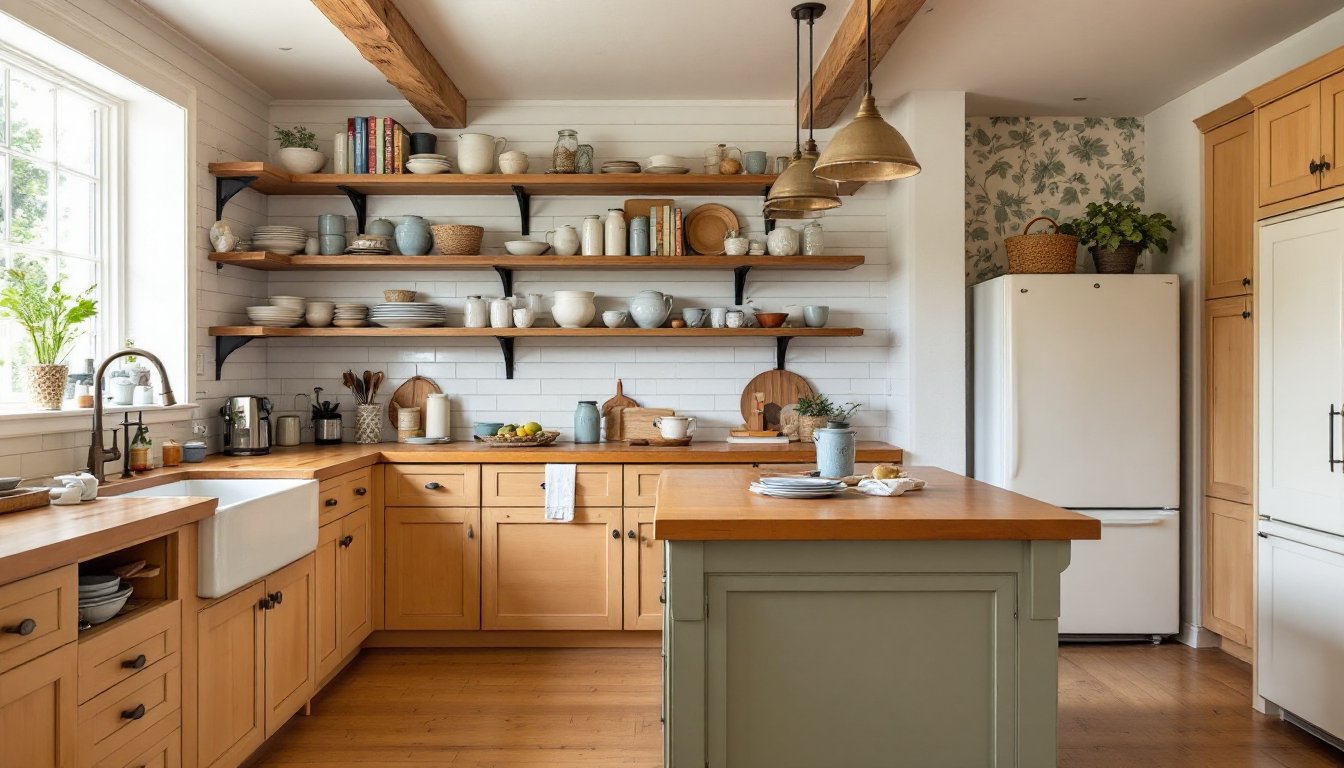
Warm minimalism has become the defining aesthetic of 2025. This interior design trend combines clean lines with natural warmth. Gone are the stark white walls and cold metal finishes of previous years. Instead, designers favor earthy tones, textured fabrics, and raw materials.
Wood remains central to this approach. Oak, walnut, and reclaimed timber add character to furniture and flooring. Stone surfaces, think travertine countertops and limestone accent walls, bring a grounded, organic feel. Linen curtains, wool rugs, and cotton upholstery soften the space without cluttering it.
The philosophy is simple: own less, but choose better. Each piece should serve a purpose and bring joy. A handcrafted ceramic vase, a vintage wooden stool, or a well-made leather armchair can anchor a room.
This interior design trend works well in living rooms, bedrooms, and even kitchens. The key is balancing simplicity with texture. A minimalist sofa gains depth when paired with a chunky knit throw. A bare wall feels intentional when offset by a woven wall hanging.
Warm minimalism appeals to those who want calm spaces without sacrificing personality. It proves that restraint and warmth can coexist beautifully.
Bold Color Palettes and Textured Surfaces
After years of neutral dominance, bold colors are making a strong comeback. This interior design trend encourages homeowners to embrace rich hues like terracotta, forest green, deep plum, and burnt orange. These colors add energy and personality to any room.
Accent walls painted in saturated tones create instant focal points. A deep blue dining room or a rust-colored bedroom feels both dramatic and inviting. For those hesitant about full commitment, bold-colored furniture offers a lower-risk option. A mustard velvet sofa or emerald armchair can transform a space.
Texture plays an equally important role in this interior design trend. Bouclé fabric has surged in popularity, appearing on chairs, sofas, and headboards. Its nubby surface adds visual interest and tactile appeal. Ribbed glass, fluted wood panels, and rattan accents also contribute depth and dimension.
Combining color and texture creates layered interiors that feel collected over time. A coral throw pillow on a textured cream sofa, or a sage green lamp against a limewashed wall, these pairings make rooms feel alive.
This trend invites experimentation. Start small with colorful accessories, then build confidence to tackle larger pieces. The goal is creating spaces that reflect individual taste rather than following a formula.
Sustainable and Eco-Friendly Design Choices
Sustainability has moved from niche concern to mainstream priority. This interior design trend focuses on reducing environmental impact while creating beautiful spaces. Consumers now ask where materials come from and how products are made.
Recycled and upcycled materials appear throughout 2025 interiors. Furniture made from reclaimed wood, recycled metal, or ocean-bound plastics tells a story. Vintage and secondhand pieces reduce waste while adding unique character. A mid-century dresser or antique mirror brings history into modern homes.
Natural, biodegradable materials gain favor over synthetic options. Jute rugs, bamboo blinds, cork flooring, and hemp textiles offer eco-friendly alternatives. These materials often age beautifully, developing patina rather than looking worn.
Energy efficiency also shapes this interior design trend. LED lighting, smart thermostats, and well-insulated window treatments reduce household consumption. Designers consider the full lifecycle of products, choosing items built to last rather than disposable fast-furniture.
Local sourcing supports both sustainability and community. Buying from regional craftspeople reduces shipping emissions and supports small businesses. A locally made dining table or handwoven basket carries meaning beyond its function.
This trend reflects a broader shift in values. Homeowners want spaces that align with their environmental beliefs without sacrificing style.
Curved Furniture and Soft Silhouettes
Sharp angles are giving way to gentle curves in 2025 interiors. This interior design trend brings softness and movement to living spaces. Curved sofas, rounded coffee tables, and arched doorways create a flowing, organic atmosphere.
The psychology behind this shift makes sense. Curved shapes feel welcoming and calming. They encourage conversation and connection. A kidney-shaped sofa naturally draws people together, while a round dining table eliminates hierarchical head positions.
Arched mirrors have become particularly popular. They add architectural interest without renovation. Placed above a console table or in an entryway, an arched mirror becomes an instant statement piece. Arched bookcases and doorway treatments echo this shape throughout the home.
Cloud-like sofas, oversized, deeply cushioned, and rounded, represent peak comfort in this interior design trend. They invite lounging and relaxation. Paired with a round ottoman or circular area rug, they anchor living rooms with effortless style.
Even lighting fixtures embrace curves. Globe pendants, sculptural lamps with organic forms, and rounded sconces soften the overhead plane. These pieces serve as functional art.
This trend works in any room. A curved headboard in the bedroom, rounded drawer pulls in the kitchen, or an oval bathtub in the bathroom, each small choice contributes to the overall softness.
How to Incorporate These Trends Into Your Space
Adopting interior design trends doesn’t require starting from scratch. Small, strategic changes can refresh any space. Here’s how to incorporate 2025’s biggest looks.
Start with textiles. Swap out throw pillows, blankets, and curtains in trending colors and textures. Bouclé cushions, linen drapes, or a bold-colored rug instantly update a room without major investment.
Add organic materials gradually. A wooden tray, stone coasters, or a ceramic lamp base introduces natural elements. These details shift the room’s feel without overwhelming it.
Invest in one statement piece. A curved sofa, a vintage cabinet, or a bold accent chair can define an entire space. Quality over quantity applies here, choose pieces that will last.
Consider paint. A single accent wall in a rich, saturated color transforms any room. It’s one of the most affordable ways to embrace this interior design trend.
Shop secondhand. Vintage stores, estate sales, and online marketplaces offer unique finds that support sustainable design goals. These pieces often cost less than new items while adding character.
Edit ruthlessly. Warm minimalism requires restraint. Remove items that don’t serve a purpose or bring joy. Breathing room lets remaining pieces shine.
These approaches let homeowners test trends before committing fully. The best interiors blend current styles with personal touches that make a house feel like home.