Coastal kitchen design brings the calm, breezy aesthetic of a seaside home into your everyday cooking space, without requiring a beach house down payment. The appeal lies in its honest simplicity: light-filled rooms, natural materials, and a color story pulled straight from sand, sea, and sky. Whether you live miles from the ocean or just crave that relaxed, airy vibe, coastal kitchen design works because it’s rooted in real materials and timeless proportions, not Instagram trends that fade by autumn. This guide walks you through the core elements that define the style, from paint colors to hardware choices, so you can build a kitchen that feels like a retreat rather than a showroom.
Table of Contents
ToggleKey Takeaways
- Coastal kitchen design emphasizes openness, natural light, and honest materials like painted wood and distressed finishes rather than expensive, trendy elements.
- A coastal kitchen color palette relies on neutral foundations (whites, creams, soft grays) layered with one muted accent color pulled from the seascape, such as soft blue or sage green.
- Material choices should prioritize durability and low-maintenance finishes: painted cabinetry, sealed wood countertops, white subway tile, and brushed brass or matte black hardware create authentic coastal appeal.
- Maximize natural light through bare or simply dressed windows, skylights, and thoughtful task lighting with simple pendant fixtures rather than ornate designs.
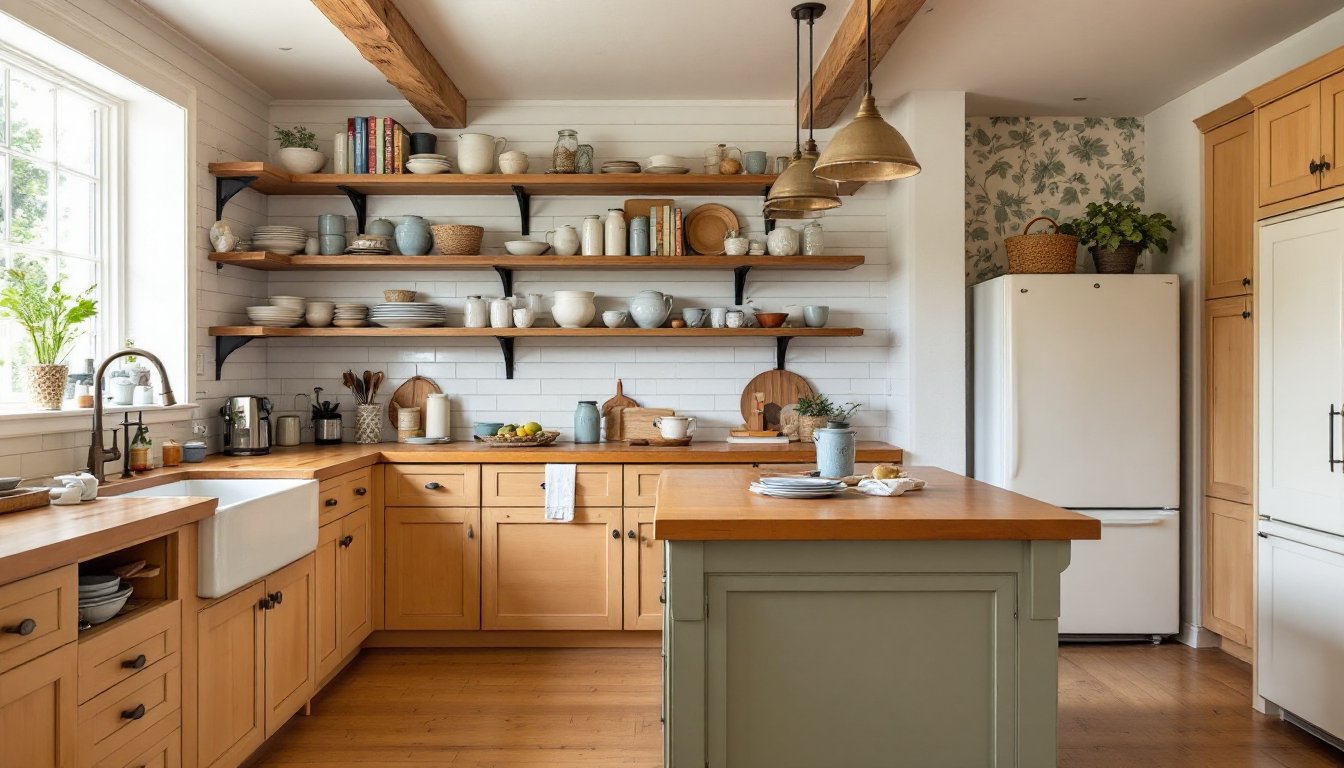
- Balance open shelving (displaying simple dishware and a few items) with closed cabinetry using the 70/30 storage rule to maintain the calm, uncluttered aesthetic central to coastal kitchen design.
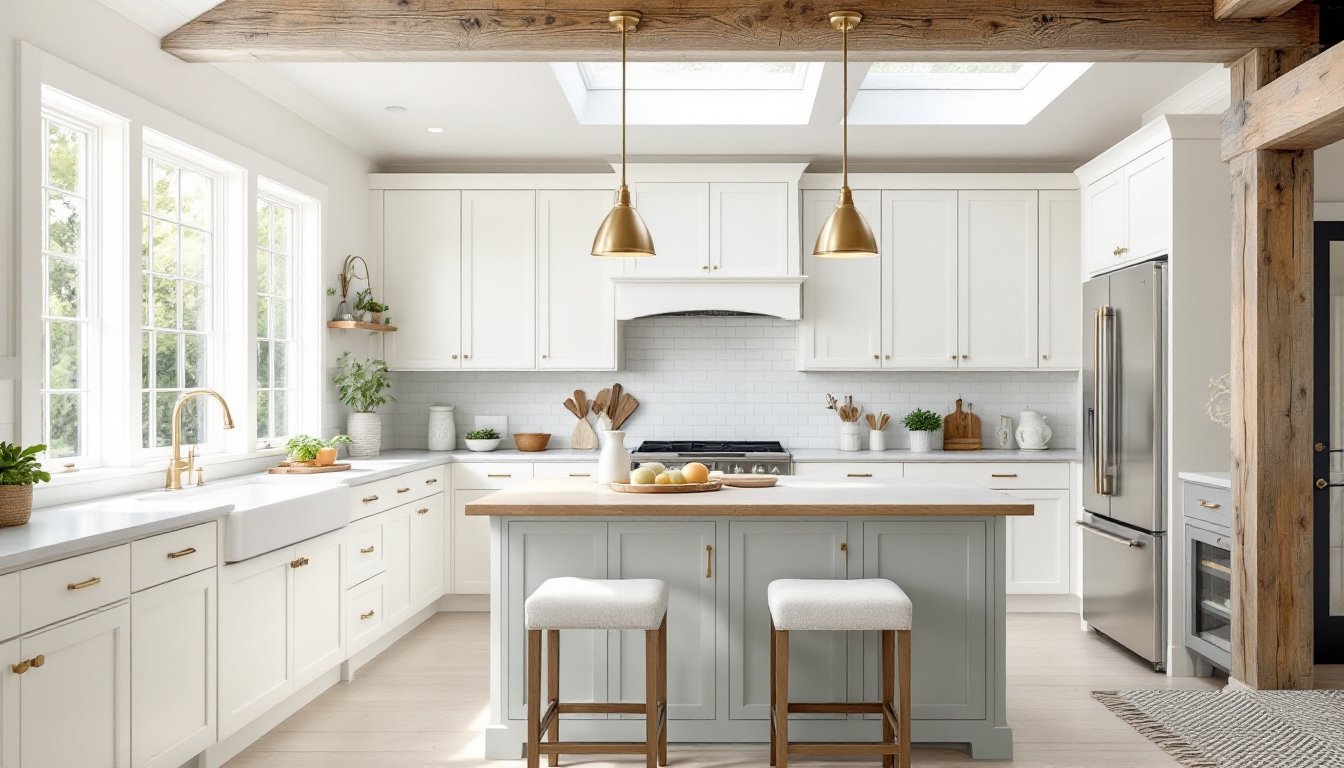
- Island layouts anchor a coastal kitchen by creating workflow efficiency and a casual gathering space, typically measuring around 3×5 feet with natural wood or upholstered seating.
What Defines Coastal Kitchen Design
Coastal kitchen design isn’t a rigid formula, it’s a sensibility rooted in openness, natural light, and honest materials. The style strips away heavy ornamentation and unnecessary visual weight, replacing it with clean lines, functional layouts, and a palette that echoes sand, water, and weathered wood.
At its core, coastal design celebrates what works in salt air: durable, low-maintenance finishes that age gracefully rather than looking worn out. Think painted cabinets instead of glossy veneers, solid wood or composite countertops instead of fussy surfaces, and hardware that feels unpretentious. The kitchen shouldn’t whisper “look how expensive I am”, it should breathe.
One hallmark is the open shelving paired with closed storage. Displaying a few simple white plates or glass jars reads as calm curating, not clutter. Another is the emphasis on natural light: windows left bare or dressed in simple linen, skylights that do the work without competing for attention. Appliances tend toward stainless steel or integrated panels, keeping visual interruption minimal. This is a working kitchen that just happens to feel like a vacation.
Color Palettes That Capture Seaside Vibes
The coastal color story starts with neutrals: whites, creams, soft grays, and warm taupes form the foundation. These aren’t flat, sterile tones, they’re layered with subtle warmth, like sand catching afternoon light. Off-whites with warm undertones (think Benjamin Moore’s Cloud White or Sherwin-Williams’ Alabaster) feel more lived-in than pure white, which can read institutional in a kitchen.
Secondary colors pull directly from the seascape. Soft blues, not primary or navy, but muted, dusty tones, appear in cabinetry, accent walls, or tile backsplashes. Sage green, reminiscent of driftwood and sea glass, brings calm without shouting. Warm terracotta or soft ochre nods to sandy soil and sunset tones. The key is restraint: choose one accent color and let it breathe across two or three surfaces rather than introducing five competing hues.
According to 20 Coastal Kitchens That Are Cool, Calm, And Collected, successful coastal kitchens layer neutral walls with subtle blue cabinetry and natural wood accents rather than attempting a full palette of seaside colors. Texture matters more than hue intensity, a rough linen texture in cream reads more coastal than a slick, saturated wall color. Paint finishes should lean matte or eggshell, never high-gloss: gloss amplifies imperfections and feels too formal for this relaxed aesthetic.
Materials and Finishes for Authentic Coastal Appeal
Wood Choices That Work
Wood is the soul of coastal design, but not all species or finishes suit the style. Reclaimed or distressed finishes mimic weathered driftwood and time-worn surfaces that feel authentic rather than artificially aged. Painted wood cabinetry, typically in whites, soft grays, or muted blues, works beautifully because the paint allows structural imperfections (natural knots, grain variation) to show through without looking precious.
For open shelving or island tops, consider white oak or ash, which have pale, open grain and take light finishes well. Avoid highly varnished, dark woods that feel heavy: the wood should feel like it could sand down gracefully if needed. Reclaimed pine or barn wood works as an accent element, think floating shelves or range hood trim, because it carries that authentic weathering without requiring refinishing maintenance.
Countertop material should be durable and low-maintenance. Butcher block (sealed properly) reads warm and coastal: concrete, sealed and finished with a matte topcoat, feels modern-coastal: and quartz or solid surface materials in cream, soft gray, or pale blue offer durability without fussiness. Tile counters, if the grout is sealed and sealed again, work too, especially in white subway or soft blue glazed finishes.
Hardware and Accents
Hardware is your smallest decision with outsized visual impact. Brushed brass, aged bronze, or matte black hardware feels far more coastal than polished chrome or gold. Look for simple cup handles or bar pulls without ornamental detail, clean lines over fussy knobs. A mix of aged brass and black matte (say, brass on upper cabinets, matte black on lower) creates subtle depth without clashing.
Backsplash material frames the workspace. White subway tile with a soft gray grout (or even contrasting grout if you want definition) is a coastal staple, timeless and honest. Alternatively, soft blue glazed tile, natural stone in cream or gray, or even shiplap painted white all reinforce the coastal narrative. Avoid bold, geometric patterns, this isn’t bohemian eclecticism, it’s seaside clarity. A proper tile installation with sealed grout and clean seams is non-negotiable for durability and appearance.
Lighting Solutions That Brighten Coastal Kitchens
Natural light is coastal design’s first priority. Maximizing windows, even small ones, transforms the entire atmosphere. If privacy or views aren’t an issue, leave windows bare or dress them in simple linen curtains or sheer roman shades that filter harsh sunlight without blocking it entirely. Skylights or clerestory windows above a sink or island multiply the effect of daylight without requiring structural overhaul in many layouts.
When natural light isn’t available or evening work calls for task lighting, choose fixtures that feel intentional rather than decorative. Pendant lights in brushed brass, matte black, or natural brass work beautifully over islands or prep zones: select designs with simple glass or fabric shades, never ornate crystal or colored glass. A simple brass or black dome pendant reads coastal because it’s honest, it doesn’t apologize for being a light fixture.
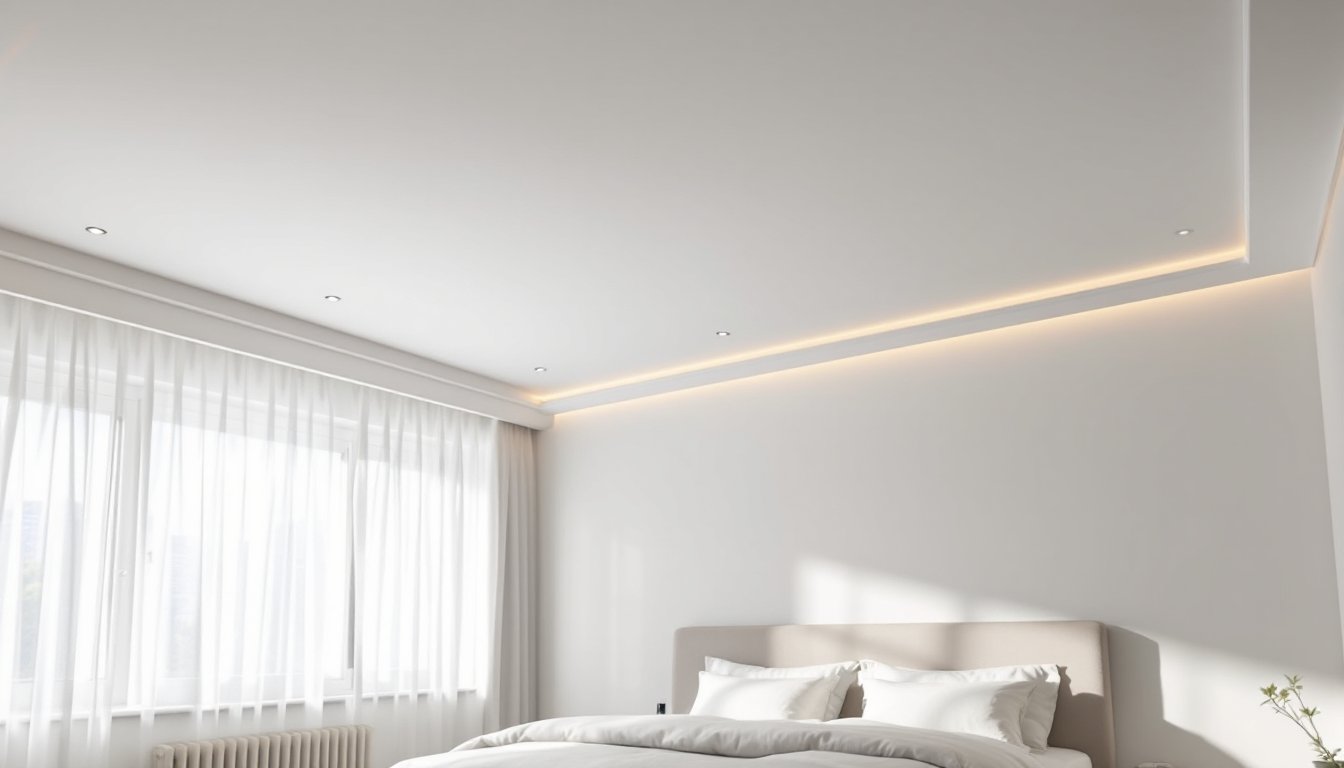
Under-cabinet lighting (LED strips, warm 2700K color temperature) illuminates the countertop without creating a nightclub effect. Recessed lighting can work if spaced thoughtfully and dimmed with switches, not left blazing, harsh overhead light kills the relaxed vibe. Avoid pendant lights in mismatched designs or overdone styles: coastal lighting is a quiet supporting player, not the main character.
Practical Storage and Layout Ideas
Storage in coastal design balances openness with function. Open shelving displays everyday items, simple white dishware, glass jars, a few cookbooks, while closed cabinetry handles the bulk of stuff. The 70/30 rule works: roughly 70% closed storage, 30% open, so the space doesn’t feel either cluttered or hollow.
Island layouts anchor coastal kitchens beautifully. An island with a prep surface and seating creates workflow efficiency and a social hub, that casual, gathered-around-the-counter vibe that defines coastal living. Size the island for your space: a nominal 3×5 feet (actual dimensions roughly 2’10” × 4’10”) fits most mid-size kitchens without blocking sight lines or traffic flow. Pair it with simple bar stools in natural wood or upholstered seats, not ornate spinner styles.
Drawer and cabinet organization keeps the clean aesthetic intact. Deep, divided drawers for utensils prevent the junk-drawer chaos that ruins visual calm. Tall pull-out pantry cabinets maximize vertical space and keep dry goods accessible without cluttering open shelves. Wire or woven baskets on lower shelves contain small items, oils, vinegars, baking supplies, neatly. Lazy Susans in corner cabinets (a structural reality in many kitchens) beat dead space and frustrated reaching.
When planning layout changes, moving appliances or extending cabinetry into living spaces, check local building codes (IRC standards vary by region about load-bearing walls, plumbing relocation, and electrical). If walls need moving, that’s contractor territory, not DIY. But painting cabinets, installing hardware, adding open shelves, or resurfacing counters? Those are achievable weekend projects. Resources like Interior Design Trends Tools: Essential Resources for Modern Designers can help you visualize layouts and color combinations before committing to finishes.