Most homeowners focus on flooring, walls, and furniture when redesigning a bedroom, but the ceiling is the fifth wall, and it’s worth the attention. Your ceiling affects how a room feels, its perceived height, and even how light distributes throughout the space. Whether you’re updating an older home or refreshing your sleep sanctuary, smart ceiling design choices can elevate the whole room without a full gut renovation. We’ll walk you through practical ceiling design options, from quick budget upgrades to statement-making finishes that work in real homes.
Table of Contents
ToggleKey Takeaways
- Bedroom ceiling design significantly impacts how a room feels, perceived height, and light distribution—making it the fifth wall worth your attention during any renovation.
- Fresh paint is the quickest and cheapest ceiling upgrade, costing under $200 and taking just a weekend, while removing popcorn ceilings typically runs $200–$400 when done yourself.
- Modern minimalist ceilings in white or soft gray fade into the background, while textured finishes like knockdown texture hide imperfections and improve acoustics at just $0.75–$1.50 per square foot.
- Crown molding instantly upgrades perceived room quality and frames the ceiling-wall junction; MDF molding at $1–$3 per linear foot is a budget-friendly alternative to solid wood.
- Ceiling design and lighting must work together—recessed downlights suit minimalist ceilings, while pendant lights and chandeliers complement statement ceilings like shiplap or wood beams.
- Address ceiling condition first (repair leaks, remove popcorn, fix cracks) before choosing decorative finishes to prevent larger structural issues and ensure a polished, functional space.
Why Your Ceiling Deserves Attention
A bedroom ceiling sets the tone for relaxation. Unlike a living room where you’re often looking at eye level, a bedroom is where you spend hours lying down, meaning you’re literally looking up at that surface for extended periods. A dingy, water-stained, or poorly lit ceiling can undermine even the best mattress and bedding.
Ceilings also affect acoustics. A hard, flat ceiling bounces sound around, making rooms feel noisier. Textured or absorbent ceiling materials dampen noise, which matters if you live near traffic or have a partner who snores. They also impact perceived height: a dark ceiling makes a room feel smaller and cozier (great for a 12-foot-tall master), while a white or light ceiling opens up smaller spaces.
Finally, ceiling condition signals overall room quality. Cracks, bubbling paint, or visible stains are the first things guests notice, and the last things you want distracting you at night. Addressing ceiling problems early prevents bigger issues like undetected roof leaks.
Popular Ceiling Design Styles for Bedrooms
Modern and Minimalist Ceilings
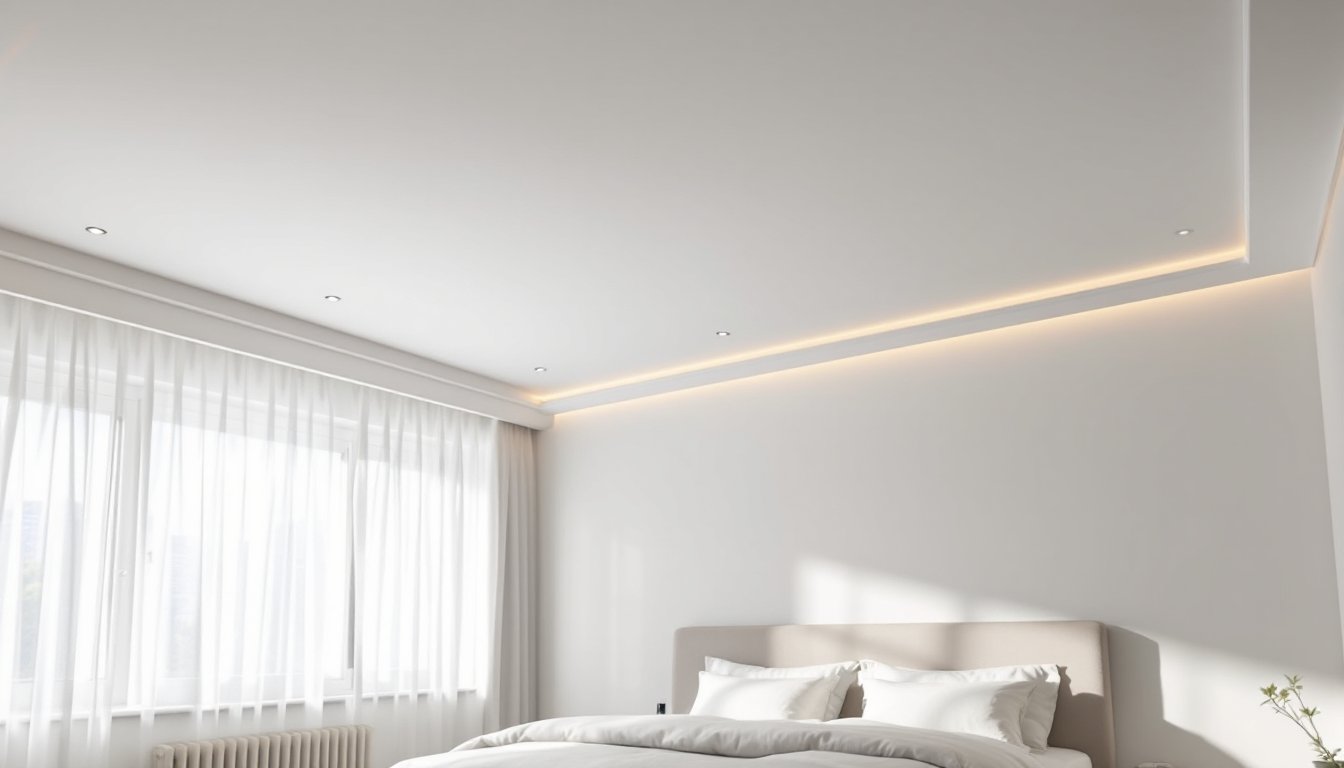
Clean, flat ceilings in white or soft gray dominate contemporary bedroom design. The goal is to fade into the background so other design elements shine. Flat ceilings work best with recessed lighting or modern flush-mount fixtures, anything hanging draws attention upward, breaking the minimalist flow.
Shiplap ceilings (horizontal wood boards installed like siding) have gained traction in farmhouse and cottage-style bedrooms. Shiplap is typically 5–7 inches wide (actual boards are narrower due to overlap) and can be painted white, stained natural, or finished in matte black for contrast. Installation requires careful measurement and fastening to joists: expect to rent a stud finder and buy a pneumatic nail gun if doing it yourself. This is doable for confident DIYers but demands precision.
Smooth popcorn ceilings (acoustic spray-on material) were standard in 1970s–1990s homes and are now being removed in most renovation projects. If you have popcorn, test it first for asbestos before disturbing it, this is a “call a pro” moment. Fortunately, popcorn removal is straightforward: spray with water, scrape off, sand, prime, and paint. Plan 2–3 hours for a standard 12×14-foot bedroom.
Textured and Statement Ceilings
Textured ceilings add visual interest without major expense. Knockdown texture (a spray-applied finish with a light trowel finish for an uneven, rustic look) costs $0.75–$1.50 per square foot and hides imperfections well. Smooth ceilings show every dust mote and require frequent repainting: textured ceilings are more forgiving.
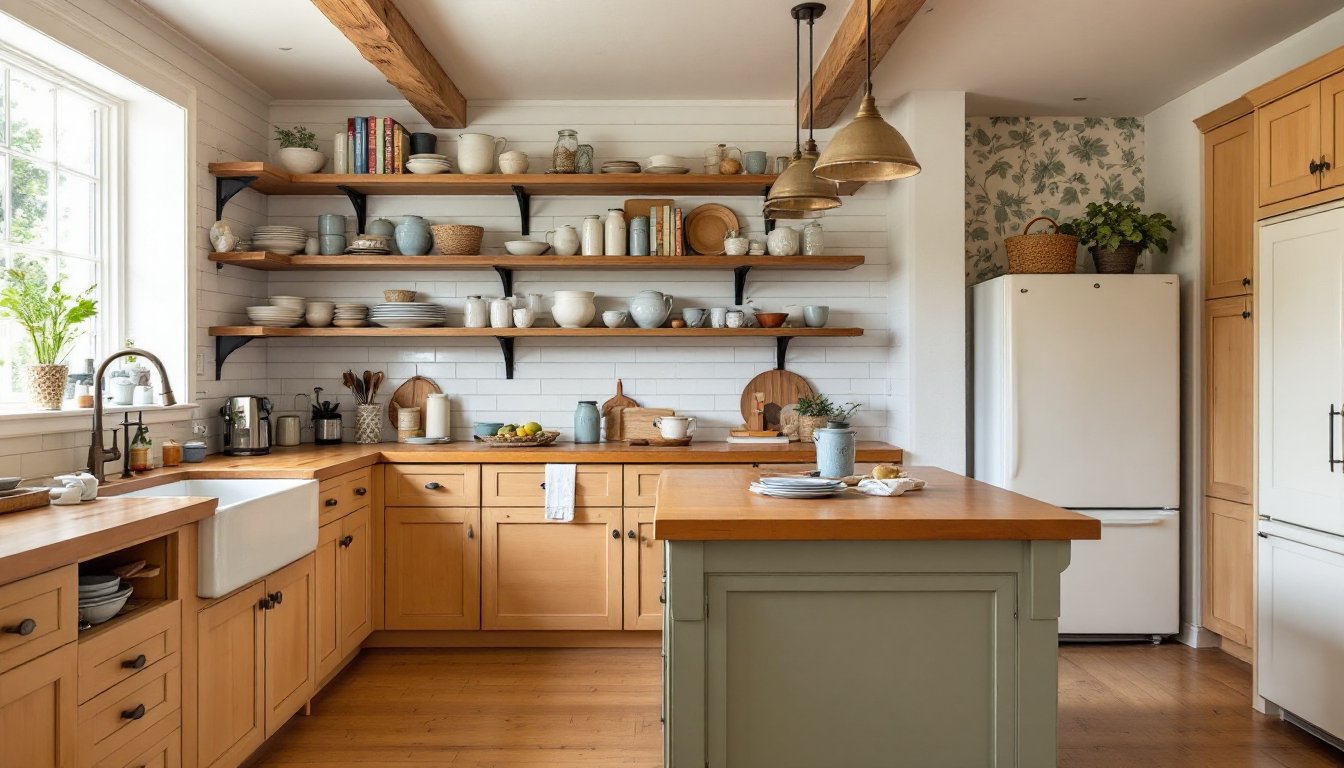
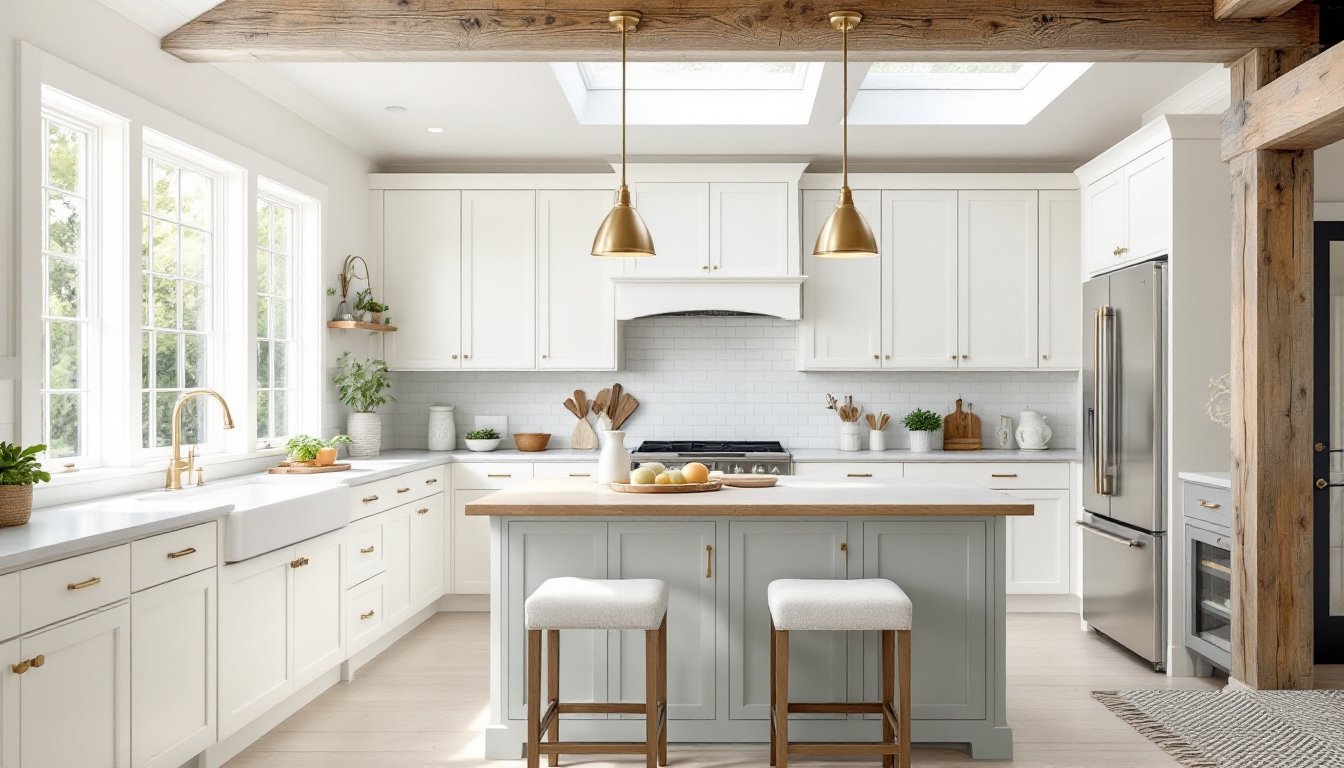
Wood beam ceilings create a lodge or rustic aesthetic. Exposed beams (or faux beams) draw the eye upward and add architectural character to otherwise plain rooms. Real beams require structural assessment, they need to be load-bearing or properly supported. Faux beams are lightweight polyurethane and install with construction adhesive: they cost $30–$80 per 8-foot beam. The trade-off: real beams look authentic but are pricey and heavy: faux beams are budget-friendly but don’t wear like solid wood.
Vaulted or coffered ceilings (recessed panels in a grid pattern) are more involved and typically require professional installation. They work in larger bedrooms and make a dramatic design statement. Interior design resources like MyDomaine showcase how architectural ceiling details transform bedroom spaces when paired with the right color palette and lighting.
Budget-Friendly Ceiling Upgrades
Not every bedroom ceiling project requires hiring a contractor. Many updates are DIY-friendly and cost under $500 for a standard bedroom.
Fresh Paint is the fastest, cheapest fix. Most ceilings need a fresh coat every 7–10 years. Choose a matte or eggshell finish, glossy finishes highlight imperfections and look cheap. Use a quality roller with a 3/8-inch nap (the fuzzy part) and a 6-foot extension pole: paint flows better and faster than brushwork. Expect one gallon to cover 300–350 square feet. Primer is essential if stains or water marks are present, primer seals and blocks bleed-through. This is a weekend project for one person, though having a second set of hands speeds things up.
Painting Trim and Accent Walls around the ceiling creates definition. Painting the top 12–18 inches of wall a darker shade than the ceiling (or vice versa) adds depth. This technique works particularly well in mid-century modern and eclectic bedrooms. Use painter’s tape to get a clean line and remove it while paint is still slightly tacky for crisp edges.
Crown Molding frames the ceiling-wall junction and instantly upgrades a room’s perceived quality. Pre-finished, paintable molding is available in pine, MDF (medium-density fiberboard), or composite materials. MDF is cheaper ($1–$3 per linear foot), easier to cut and install than solid wood, and takes paint beautifully. A 12×14-foot bedroom needs about 52 linear feet of molding. Installation requires a miter saw for clean 45-degree angles, a power drill, and fastening to studs or blocking. Dwell magazine’s bedroom ceiling guide demonstrates how statement ceilings paired with architectural details like crown molding create polished, magazine-worthy spaces.
Removing Popcorn Ceiling and painting clean is a $200–$400 project for a typical bedroom when done yourself. Tools needed: pump sprayer, putty knife, orbital sander, primer, and paint. The mess is significant, so protect floors and furniture with plastic sheeting. Wear a dust mask (N95 or better) and eye protection, dried popcorn scraps fly downward.
Lighting and Ceiling Design Integration
Ceiling design and lighting must work together. A beautiful ceiling with poor lighting is wasted potential, and great lighting can’t save a neglected ceiling.
Recessed lighting (downlights in the ceiling plane) suits modern, minimalist ceilings. They’re clean, don’t obstruct the view upward, and work well with dimmers for mood control. Spacing should be 4–6 feet apart for even illumination. Retrofit kits exist for existing drywall, but new construction requires installing rough-in cans before drywall goes up. This is an electrical job, if your home doesn’t have existing circuits, hire a licensed electrician. Improper installation risks fire hazards.
Pendant lights and chandeliers add visual interest and work better with textured or statement ceilings, they break up the visual plane and draw the eye to architectural details. In a bedroom, pendants flanking a headboard or a small chandelier over a seating nook work better than a large fixture over the bed (overhead lights can feel intrusive). Choose dimmable fixtures for flexibility.
Surface-mount and flush-mount fixtures sit directly against the ceiling. They’re ideal for low ceilings (under 8 feet) where pendants would feel cramped. Modern flush-mounts in brushed brass, matte black, or chrome pair well with contemporary ceiling treatments.
Cove lighting (hidden LED strips behind molding or recesses) creates ambient glow and makes ceilings feel like they float. This approach is popular in high-end designs and works beautifully with neutral, well-finished ceilings. Installation involves running electrical to the ledge and securing flexible LED tape, doable for experienced DIYers with basic wiring knowledge, though hiring an electrician is safer if you’re unsure. Homedit’s modern bedroom design gallery shows how lighting design transforms ceiling aesthetics and overall bedroom ambiance when carefully integrated with finishes.
Conclusion
Your bedroom ceiling is prime real estate for design impact and comfort. Whether you refresh with fresh paint, add architectural details like crown molding, install textured finishes, or go bold with shiplap or beams, the key is matching the style to your space and lifestyle. Start with ceiling condition (repair leaks, remove popcorn, fix cracks), plan your lighting to support the design, then choose finishes and materials within your budget. Most bedroom ceiling projects are weekend undertakings that deliver outsized visual returns, making it time well spent.