The best interior design trends for 2025 reflect a clear shift toward comfort, sustainability, and personal expression. Homeowners want spaces that feel grounded and functional. They also want rooms that make a statement. This year brings a mix of natural elements, bold choices, and smart solutions that work for modern living.
From curved furniture to vintage finds, designers are moving away from sterile minimalism. Instead, they embrace warmth, texture, and character. Whether someone plans a full renovation or a simple refresh, these interior design trends offer inspiration for every budget and style preference.
Table of Contents
ToggleKey Takeaways
- The best interior design trends for 2025 prioritize comfort, sustainability, and personal expression over sterile minimalism.
- Natural materials like wood, stone, and rattan paired with earthy tones create warm, inviting spaces that age beautifully over time.
- Curved furniture and soft shapes replace sharp angles, offering a welcoming atmosphere that invites relaxation.
- Bold colors such as deep burgundy, forest green, and cobalt blue add personality through statement pieces and accent walls.
- Sustainable and vintage design elements reduce environmental impact while adding unique character and saving money.
- Multifunctional spaces with smart home integration help modern homes adapt seamlessly between work, rest, and play.
Natural Materials and Earthy Tones
Natural materials dominate the best interior design trends this year. Wood, stone, rattan, and linen bring warmth and texture to any room. These elements create a sense of calm that synthetic materials simply can’t match.
Earthy tones like terracotta, olive green, warm beige, and clay complement these natural textures. The combination feels organic and inviting. Think oak dining tables, stone countertops, and woven light fixtures. These choices ground a space and connect it to the natural world.
Designers recommend layering different textures for depth. A linen sofa paired with a jute rug and wooden side tables creates visual interest without overwhelming the eye. The key is balance, mixing rough and smooth, matte and polished.
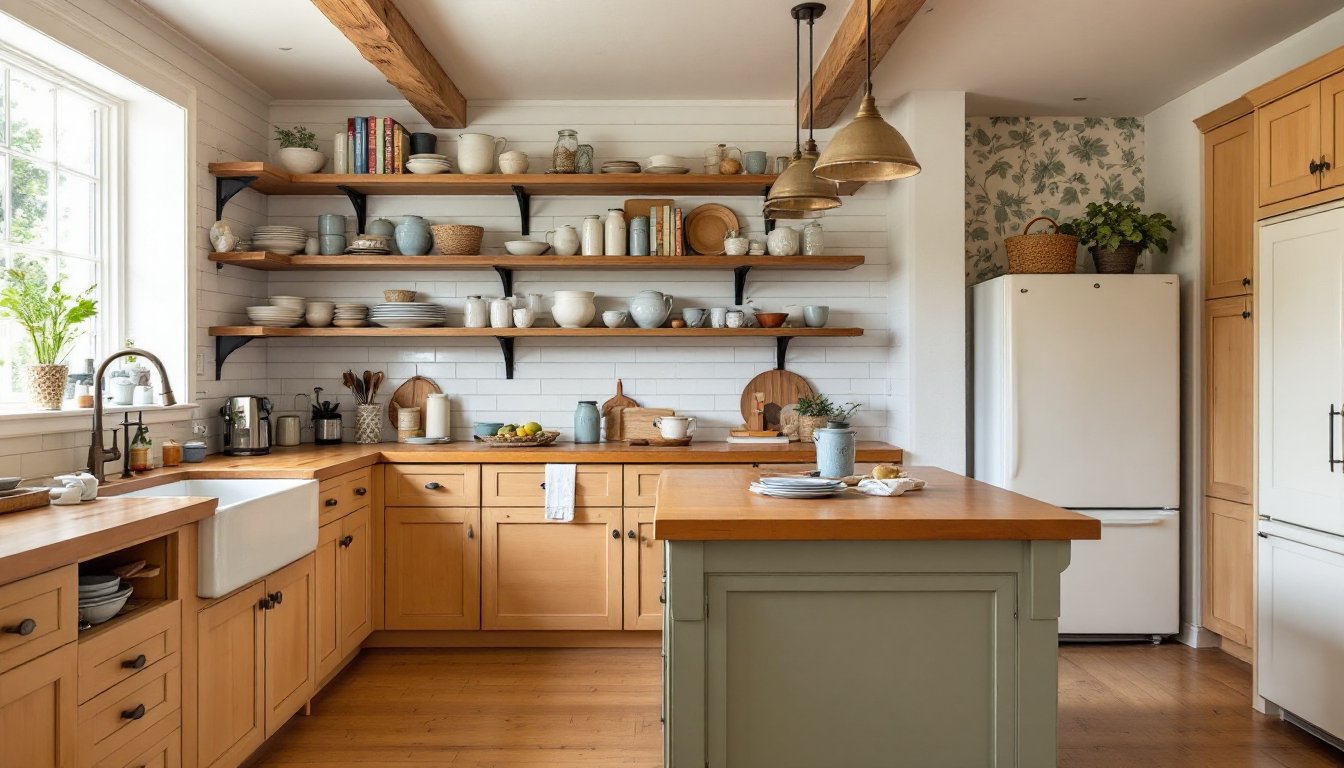
This interior design trend works in every room. Bathrooms benefit from travertine tiles and wooden vanities. Living rooms feel cozier with raw-edge coffee tables and cotton throws. Even kitchens embrace the look through butcher block counters and ceramic backsplashes.
The appeal goes beyond aesthetics. Natural materials age well. They develop character over time rather than looking worn out. This makes them a smart long-term investment for any home.
Curved Furniture and Soft Shapes
Sharp angles are out. Curved furniture and soft shapes define one of the best interior design trends of 2025. Rounded sofas, arched doorways, and oval mirrors soften interiors and create a welcoming atmosphere.
This shift started a few years ago but has gained serious momentum. Designers point to a desire for comfort after years of rigid, angular minimalism. Curves feel approachable. They invite people to relax and linger.
Boucle armchairs remain popular. So do kidney-shaped coffee tables and round dining tables. These pieces break up the straight lines found in most architecture. They add movement and flow to a room.
Arched elements extend beyond furniture. Arched bookcases, rounded headboards, and curved kitchen islands appear in homes across every style, from mid-century modern to contemporary. The shape reads as both classic and fresh.
For those not ready to invest in new furniture, small additions work too. A round mirror in the entryway or curved vases on a shelf introduce this interior design trend without a major commitment. The effect is immediate and noticeable.
Bold Colors and Statement Pieces
Neutral palettes still have their place, but bold colors claim the spotlight in 2025. This ranks among the best interior design trends for those who want personality in their homes. Deep burgundy, forest green, cobalt blue, and burnt orange appear on walls, furniture, and accessories.
Statement pieces anchor these color choices. A jewel-toned velvet sofa becomes the focal point of a living room. A bright red accent chair adds energy to a neutral bedroom. Bold art pieces pull entire color schemes together.
The trick is restraint. Designers suggest choosing one or two bold elements per room rather than saturating every surface. A rich green accent wall works beautifully with neutral furniture. An orange dining table pops against white walls and natural wood floors.
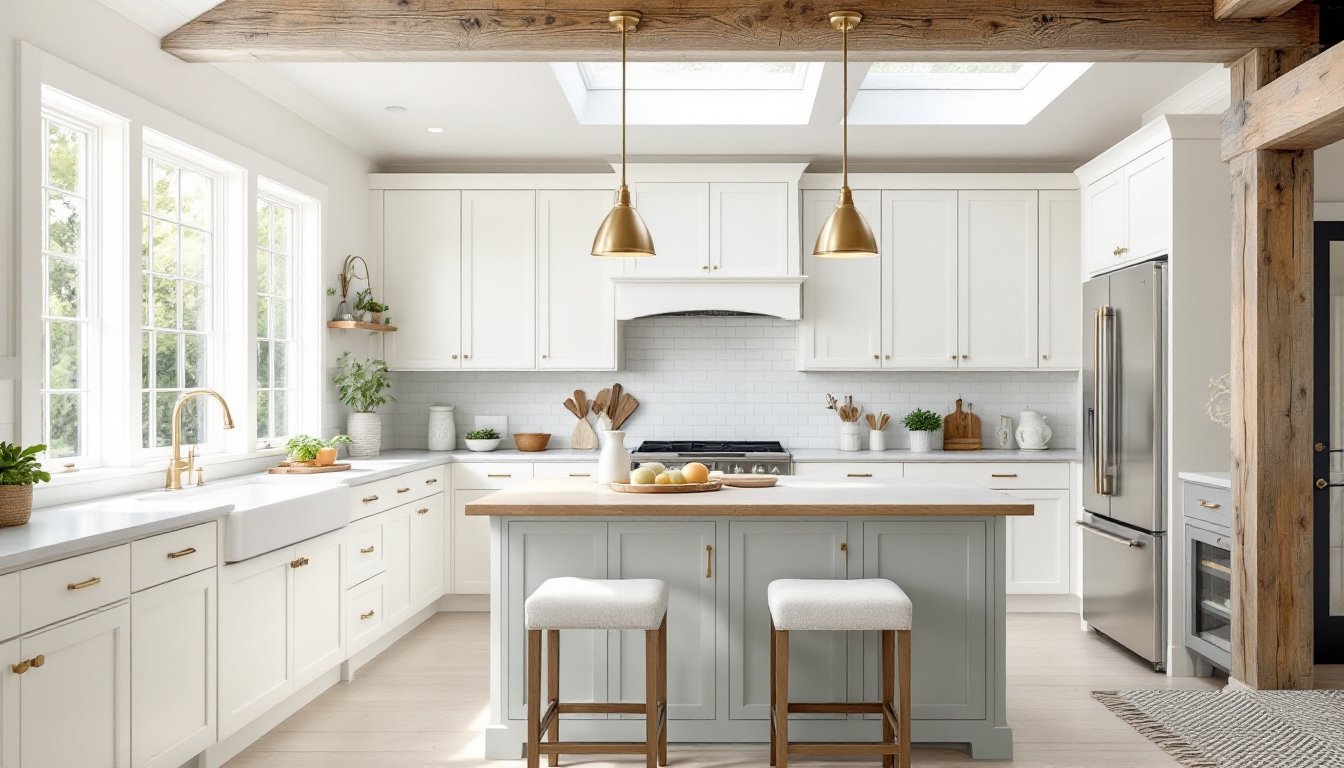
This interior design trend also shows up in unexpected places. Colored kitchen cabinets, particularly deep blues and greens, replace the all-white kitchens that dominated the last decade. Bathroom vanities in bold hues make morning routines more interesting.
For renters or commitment-shy homeowners, accessories offer an easy entry point. Bold throw pillows, colorful rugs, and vibrant curtains introduce color without permanent changes. Swap them out when tastes shift.
Sustainable and Vintage Design Elements
Sustainability shapes the best interior design trends more than ever. Consumers care about where their furniture comes from and how it’s made. This awareness drives demand for eco-friendly materials, ethical manufacturing, and vintage pieces.
Vintage and secondhand furniture fits perfectly here. A 1970s credenza or antique brass lamp carries history and character. These pieces also reduce waste and avoid the environmental cost of new production. Plus, they’re often better made than mass-produced alternatives.
Mixing vintage with modern creates eclectic, personal spaces. A contemporary sofa paired with a vintage side table tells a story. It shows thought and intention rather than a catalog-ordered room.
Beyond vintage finds, sustainable brands gain traction. Furniture made from reclaimed wood, recycled metals, and organic fabrics appeals to eco-conscious buyers. Certifications like FSC (Forest Stewardship Council) help shoppers identify responsible choices.
This interior design trend extends to finishes and paints too. Low-VOC and zero-VOC paints improve indoor air quality. Natural fiber rugs avoid synthetic off-gassing. Every choice adds up.
The bonus? Sustainable design often saves money. Thrift stores, estate sales, and online marketplaces offer quality pieces at a fraction of retail prices.
Multifunctional Spaces and Smart Integration
Homes work harder in 2025. Multifunctional spaces and smart technology represent some of the best interior design trends for modern lifestyles. Open floor plans evolve to include defined zones for work, rest, and play.
The home office remains essential. But instead of dedicated rooms, designers create flexible work areas within living spaces. A console table doubles as a desk. A closet transforms into a compact office nook. Murphy beds with built-in desks maximize small bedrooms.
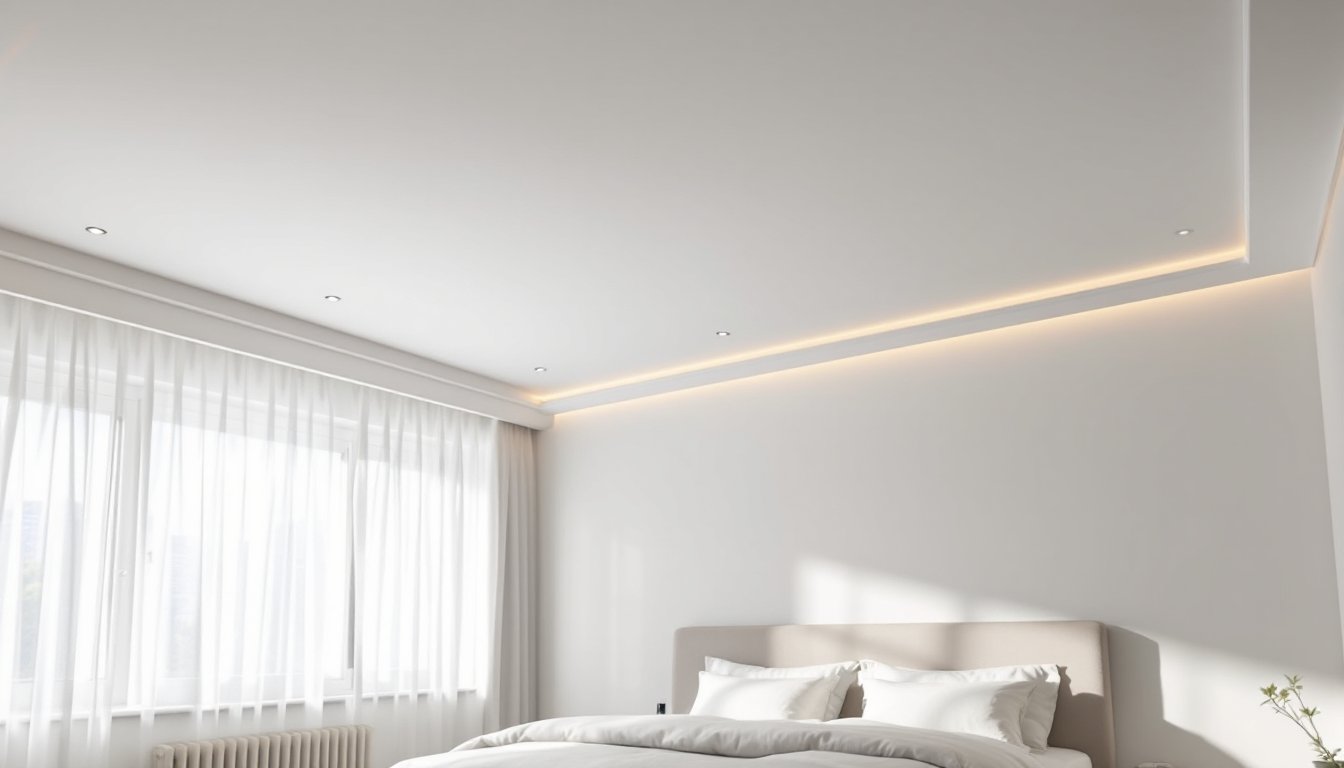
Smart home technology integrates seamlessly into this interior design trend. Automated lighting adjusts based on time of day. Voice-controlled thermostats and blinds add convenience. Wireless charging stations built into furniture eliminate cord clutter.
Storage solutions matter more than ever. Built-in shelving, hidden compartments, and furniture with storage, like ottomans and bed frames, keep spaces organized. Clean surfaces become possible even in smaller homes.
Zoning techniques help define areas without walls. Rugs anchor seating areas. Pendant lights mark dining zones. Changes in flooring material separate kitchen from living space. These strategies create structure while maintaining openness.
The goal is adaptability. Spaces that shift from workday productivity to weekend relaxation serve residents better. Furniture on casters, modular seating, and adjustable lighting support this flexibility.