Interior design trends examples offer fresh inspiration for anyone looking to update their living space. From nature-inspired textures to bold color choices, today’s design landscape presents exciting options for every taste. Whether someone wants a complete home makeover or subtle updates, understanding current trends helps create rooms that feel both modern and personal. This guide breaks down the most popular interior design trends examples seen in 2024 and 2025, offering practical ideas that translate well into real homes.
Table of Contents
ToggleKey Takeaways
- Interior design trends examples in 2024–2025 emphasize nature-inspired elements like wood, stone, rattan, and indoor plants to create calming, organic spaces.
- Bold colors such as emerald green, sapphire blue, and burgundy are replacing all-white aesthetics, especially in kitchens and living rooms.
- Curved furniture and soft shapes—like round sofas and arched mirrors—add warmth and flow to modern interiors.
- Sustainable and vintage design choices are gaining popularity, with thrifted furniture and eco-friendly materials reducing environmental impact.
- Maximalism is making a comeback, encouraging layered textures, pattern mixing, and personal collections that tell a story.
- Balance is essential: whether using bold colors or maximalist decor, intentional curation prevents spaces from feeling overwhelming.
Nature-Inspired Elements and Organic Materials
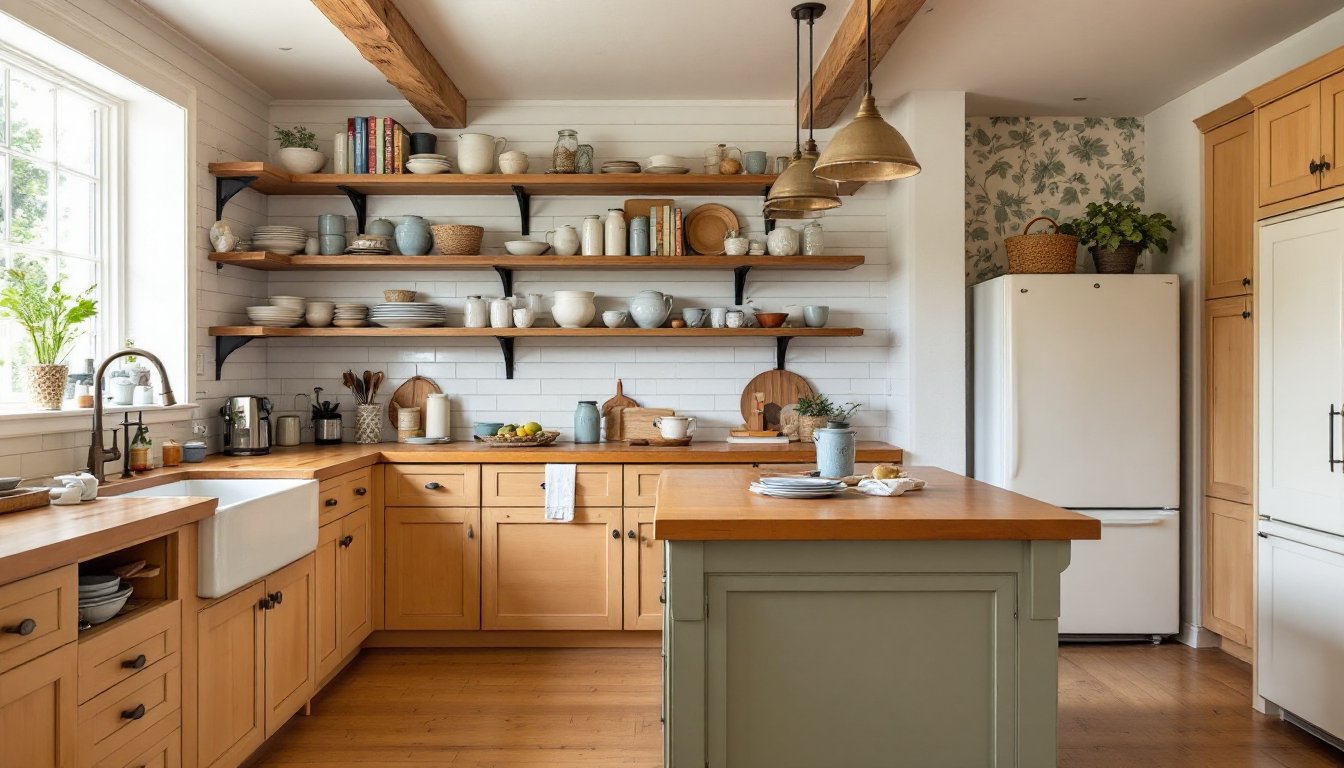
One of the strongest interior design trends examples right now is the shift toward nature-inspired elements. Homeowners are bringing the outdoors inside through natural materials like wood, stone, rattan, and linen. These materials add warmth and texture to any room.
Wood remains a favorite choice. Raw-edge dining tables, reclaimed wood accent walls, and walnut cabinetry appear in kitchens and living rooms across the country. Stone surfaces, particularly marble and travertine, add a grounded, earthy feel to bathrooms and entryways.
Rattan and wicker furniture have made a strong comeback. Designers use these materials for headboards, light fixtures, and accent chairs. They work especially well in sunrooms and bedrooms where a relaxed atmosphere matters.
Plants also play a major role in this trend. Large fiddle leaf figs, trailing pothos, and snake plants appear in almost every styled space on social media. Beyond aesthetics, indoor plants improve air quality and boost mood.
Earthy color palettes complement these organic materials. Think terracotta, sage green, warm beige, and soft browns. These colors create a calm environment that feels connected to the natural world.
This interior design trends example works well because it creates spaces that feel restful. After years of screen time and urban living, many people crave environments that remind them of nature.
Bold Colors and Statement Pieces
While neutral palettes remain popular, bold colors have surged as another top interior design trends example. Rich jewel tones like emerald green, sapphire blue, and deep burgundy appear on walls, furniture, and accessories.
Statement pieces anchor these colorful rooms. A velvet sofa in a saturated hue can transform an entire living room. Bold art pieces, especially oversized abstract paintings, serve as focal points that draw the eye and spark conversation.
Accent walls continue to trend, but with new twists. Some homeowners paint ceilings in unexpected colors like terracotta or navy. Others use wallpaper with bold geometric patterns or large-scale florals.
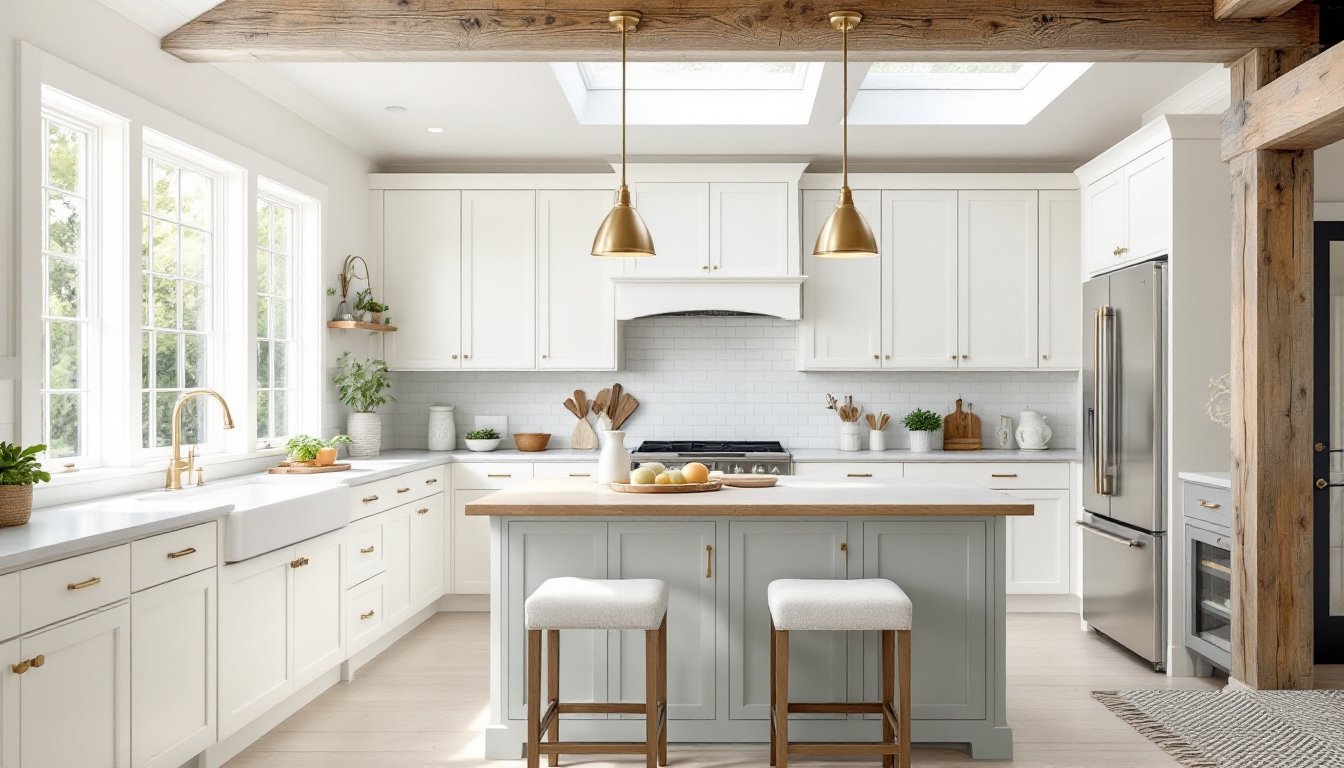
Kitchens have embraced color too. Colored cabinets in shades like forest green, dusty pink, or cobalt blue replace the all-white kitchen trend. Colorful appliances and patterned tile backsplashes add personality.
This interior design trends example reflects a broader cultural shift. People want their homes to express individuality. Bold choices communicate confidence and creativity.
The key to using bold colors successfully lies in balance. Designers recommend limiting saturated hues to one or two focal areas per room. Neutral backgrounds let statement pieces shine without overwhelming the space.
Curved Furniture and Soft Shapes
Sharp angles are out. Curved furniture represents one of the most popular interior design trends examples of recent years. Round sofas, arched doorways, and kidney-shaped coffee tables appear in homes and design magazines alike.
This shift toward soft shapes creates rooms that feel welcoming. Curved pieces encourage flow and movement through a space. They also soften the hard lines typical of modern architecture.
Boucle fabric has become closely associated with this trend. Designers pair curved silhouettes with this textured, nubby material. The combination feels cozy and inviting, perfect for seating areas meant for relaxation.
Arched mirrors and rounded headboards add architectural interest. These pieces reference Art Deco and mid-century modern design while still feeling fresh and current.
Even lighting fixtures embrace curves. Globe pendants, sculptural chandeliers, and organic-shaped table lamps replace angular designs. These fixtures act as functional art pieces.
This interior design trends example works across styles. Curved elements fit into minimalist spaces, traditional rooms, and eclectic homes. Their versatility explains their widespread appeal.
Sustainable and Vintage Design Choices
Sustainability has become a driving force in interior design. Vintage and secondhand pieces represent some of the best interior design trends examples for eco-conscious homeowners.
Antique furniture adds character that mass-produced items cannot match. A vintage dresser or antique dining chairs bring history and craftsmanship into modern spaces. These pieces often cost less than new designer furniture while offering superior quality.
Thrift stores, estate sales, and online marketplaces like Chairish and Facebook Marketplace have made vintage shopping accessible. Many designers now mix antique finds with contemporary pieces for a collected-over-time look.
Sustainable materials extend beyond furniture. Recycled glass countertops, reclaimed wood flooring, and low-VOC paints reduce environmental impact. Consumers increasingly research the sourcing and production methods behind their purchases.
Upcycling projects have gained popularity too. Homeowners refinish old furniture, reupholster chairs in modern fabrics, and repurpose architectural salvage. These projects create unique pieces with personal meaning.
This interior design trends example reflects changing values. Younger generations especially prioritize environmental responsibility. Sustainable choices allow people to create beautiful spaces without contributing to waste.
Maximalism and Layered Textures
Minimalism dominated design for years, but maximalism has emerged as a compelling interior design trends example. This approach embraces more, more color, more pattern, more personality.
Layered textures define maximalist spaces. A room might combine velvet pillows, a wool rug, linen curtains, and a leather armchair. Each texture adds depth and visual interest.
Pattern mixing sits at the heart of this trend. Florals pair with stripes. Geometric prints meet animal patterns. The result feels collected and personal rather than catalog-perfect.
Collections take center stage in maximalist rooms. Books stacked on every surface, art hung salon-style, and objects gathered from travels create spaces that tell stories. These rooms reveal their owners’ interests and histories.
This interior design trends example requires confidence but delivers reward. Maximalist spaces feel alive and dynamic. They offer something new to discover with each look.
The key to successful maximalism lies in intentionality. Every item should have meaning or purpose. Clutter differs from curation. The best maximalist spaces feel rich, not chaotic.