Interior design trends tips can transform any living space from ordinary to extraordinary. Homeowners in 2025 are moving away from sterile, impersonal aesthetics. They want homes that feel warm, functional, and uniquely theirs. The good news? Current trends make this easier than ever.
This year’s interior design trends tips focus on balance. Natural elements meet modern minimalism. Vintage finds sit alongside sleek furniture. Every room serves multiple purposes without sacrificing style. These shifts reflect how people actually live, not just how spaces photograph.
Whether someone is renovating a single room or rethinking an entire home, the right interior design trends tips can guide every decision. The following sections break down four key approaches that define modern home design today.
Table of Contents
ToggleKey Takeaways
- Interior design trends tips for 2025 emphasize natural materials like wood, stone, and linen paired with earthy tones to create warm, grounded spaces.
- Mixing vintage pieces with contemporary furniture adds character, reduces waste, and prevents rooms from feeling like generic showroom displays.
- Multifunctional furniture and smart zoning help rooms serve multiple purposes without sacrificing style or comfort.
- Layered lighting—combining task, ambient, and dimmable options—is one of the most impactful yet overlooked interior design trends tips.
- Adding texture through varied surfaces and bold statement accents creates visual interest and reflects personal style.
- Focus on quality over quantity: a few meaningful, well-chosen pieces have more impact than dozens of generic decorations.
Embrace Natural Materials and Earthy Tones
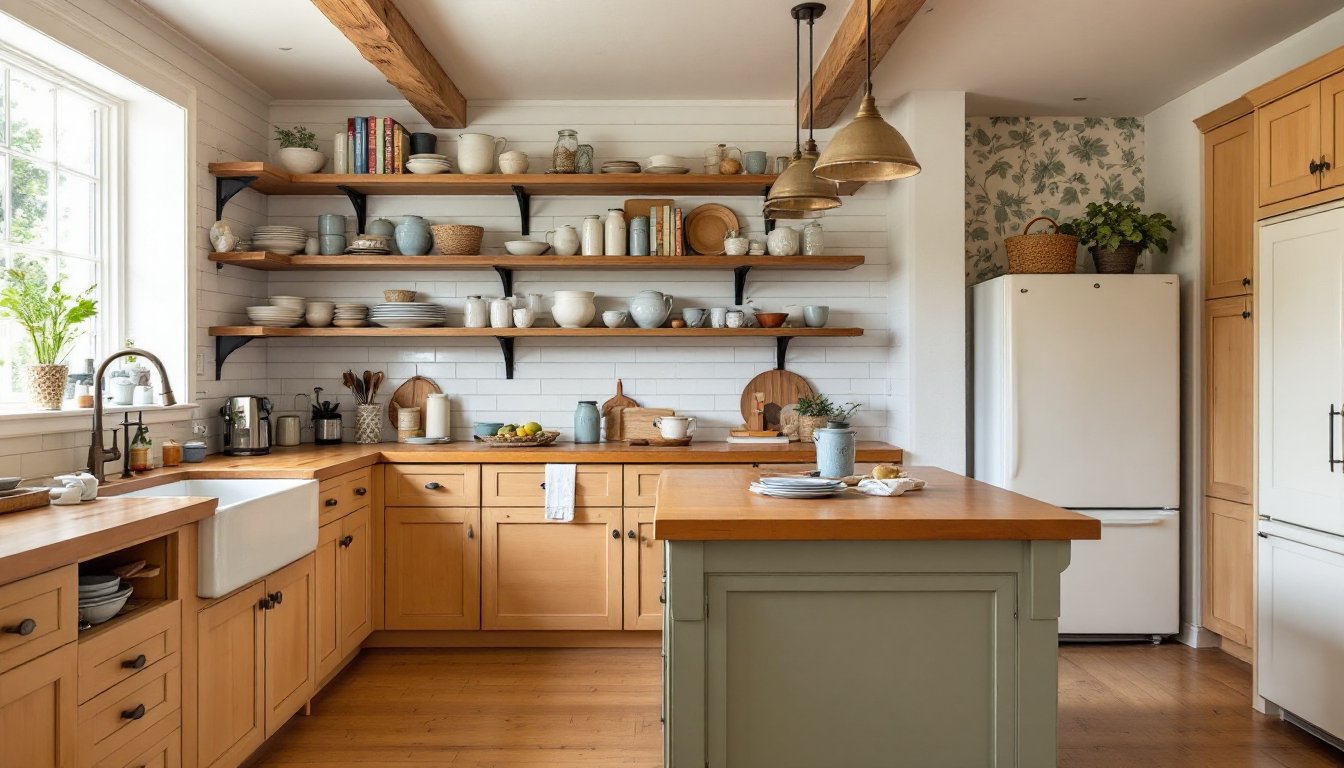
Natural materials have dominated interior design trends tips for several years, and 2025 is no exception. Wood, stone, rattan, and linen create spaces that feel grounded and calm. These materials connect indoor environments to the natural world outside.
Earthy tones work hand-in-hand with these textures. Think terracotta, olive green, warm beige, and soft clay. These colors replace the cool grays that ruled the 2010s. They bring depth without overwhelming a room.
Designers recommend starting with larger pieces. A solid wood dining table or stone countertops set the foundation. From there, layering becomes easier. Linen curtains, jute rugs, and ceramic vases add warmth in smaller doses.
One practical interior design trends tip: mix wood finishes. A room doesn’t need matching oak everywhere. Walnut shelves can complement a lighter ash coffee table. This variety mimics how natural environments actually look, diverse, not uniform.
Plants also play a major role here. They’re not just decorative. Large-leaf varieties like fiddle leaf figs or monstera plants add life and improve air quality. Even those without a green thumb can find low-maintenance options like pothos or snake plants.
The appeal of natural materials goes beyond aesthetics. They age well. A leather sofa develops character over time. Wood gains patina. These materials tell a story, which synthetic alternatives simply can’t replicate.
Mix Vintage Pieces With Contemporary Styles
One of the most exciting interior design trends tips involves blending eras. Mixing vintage pieces with contemporary furniture creates visual interest and personal character. This approach also reduces waste by giving old items new life.
The key is balance. A mid-century modern chair looks striking next to a minimalist sofa. An antique mirror creates a focal point in an otherwise streamlined bathroom. These contrasts prevent rooms from feeling like showroom displays.
Thrift stores, estate sales, and online marketplaces offer excellent sources for vintage finds. Shoppers should look for quality construction, solid wood frames, dovetail joints, and original hardware. These details indicate pieces that will last another few decades.
Not everything vintage needs to stay original. Reupholstering a chair in modern fabric updates its look while preserving its bones. Painting an old dresser in a current color bridges the gap between past and present.
Interior design trends tips often suggest starting small with vintage integration. A single statement piece, perhaps a brass lamp or an Art Deco side table, can test the waters. If it works, homeowners can add more vintage elements gradually.
This mixing approach also solves a common problem: rooms that feel too curated. When every piece comes from the same store or era, spaces can feel sterile. Vintage items add the imperfections and surprises that make a home feel lived-in.
Prioritize Functional and Multifunctional Spaces
Post-pandemic life changed how people use their homes. Rooms now serve multiple purposes. A dining table doubles as a workspace. A guest bedroom functions as a home gym. Smart interior design trends tips address this reality head-on.
Multifunctional furniture leads this category. Murphy beds fold into walls when not needed. Ottomans contain hidden storage. Nesting tables expand for gatherings and tuck away for daily life. These pieces maximize square footage without compromising style.
Zoning helps define different activities within a single room. A bookshelf can separate a living area from a home office. A rug can anchor a reading nook within a larger bedroom. These visual cues help the brain shift between activities.
Storage remains critical. Built-in shelving, under-bed drawers, and vertical solutions keep clutter at bay. Current interior design trends tips emphasize “everything has a place.” When items have designated spots, rooms stay cleaner with less effort.
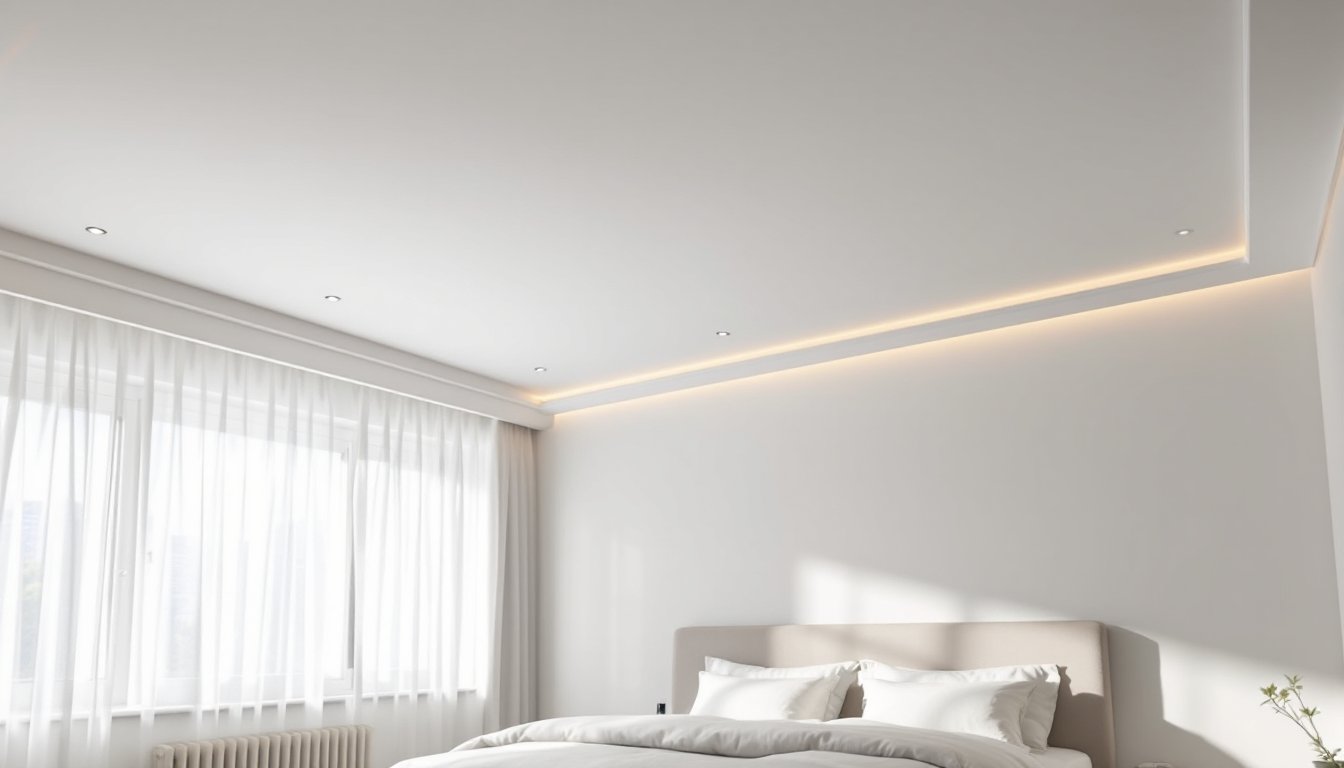
Lighting also supports functionality. Task lighting illuminates work areas. Ambient lighting creates relaxation zones. Dimmers allow the same room to shift moods throughout the day. Layered lighting is one of the most impactful yet overlooked interior design trends tips.
Flexibility should guide furniture purchases. Modular sofas can reconfigure for different gatherings. Folding chairs store flat when not in use. Investing in adaptable pieces pays off as needs change over time.
Add Personality Through Texture and Statement Accents
Texture adds dimension that color alone cannot achieve. Smooth, rough, soft, and woven surfaces create contrast and visual interest. Interior design trends tips consistently highlight texture as an affordable way to elevate any space.
Layering textures works best when there’s variety. A velvet pillow against a linen sofa. A chunky knit throw on a leather chair. A hammered metal vase on a smooth marble surface. These combinations engage the eye and invite touch.
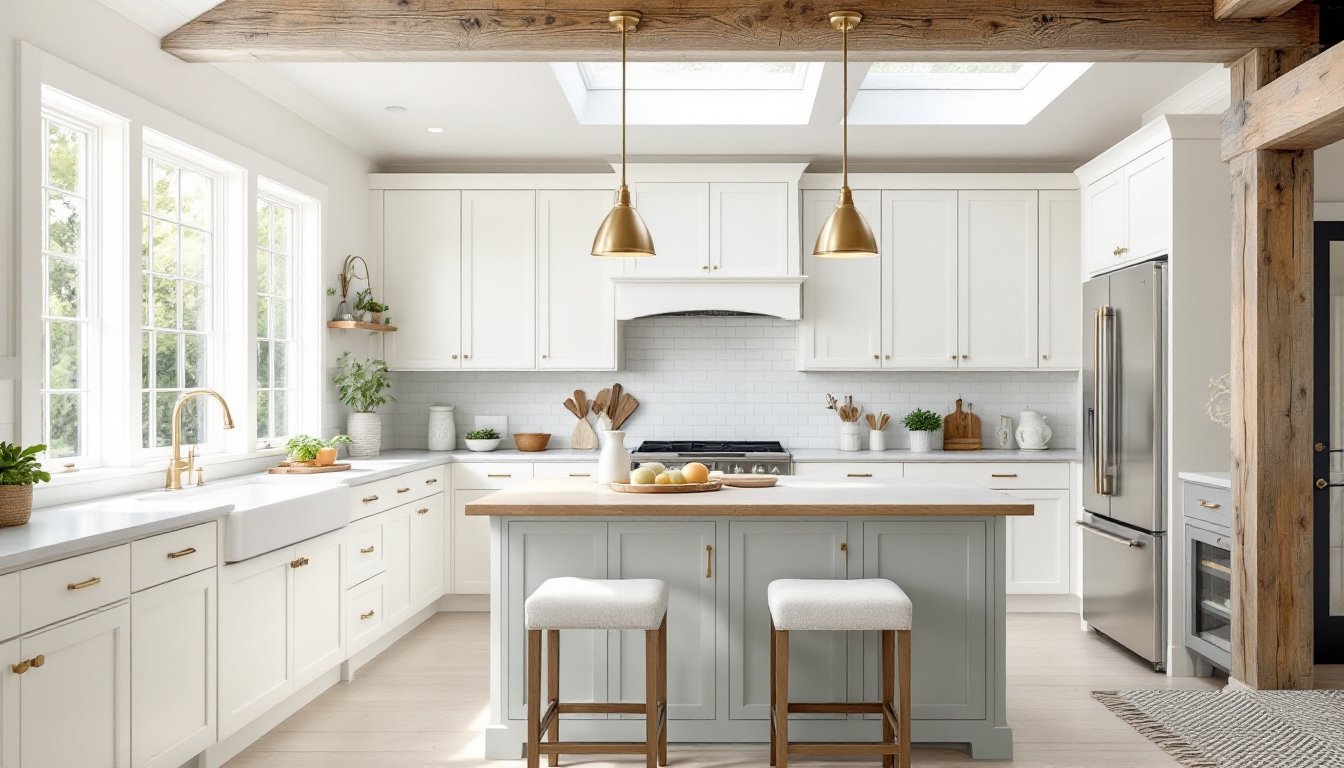
Statement accents give rooms personality. Bold artwork makes an immediate impact. An oversized pendant light draws the eye upward. A sculptural piece on a console table sparks conversation. These elements reflect the homeowner’s taste rather than generic trends.
Color can serve as a statement too. A single wall painted in deep emerald or burnt orange transforms a neutral room. Colored cabinetry in kitchens and bathrooms has gained popularity. These choices feel bold but remain timeless with the right shade.
Interior design trends tips for 2025 encourage calculated risks. That unusual lamp or quirky vintage find might be exactly what a room needs. Playing it safe often results in forgettable spaces.
The goal isn’t maximalism or clutter. It’s intentional selection. Every accent should earn its place. A few meaningful pieces have more impact than dozens of generic decorations. Quality and personal significance beat quantity every time.