Interior design trends for beginners can feel overwhelming at first glance. There are countless styles, colors, and furniture options to consider. But here’s the good news: creating a stylish space doesn’t require a design degree or an unlimited budget.
This guide breaks down the essential interior design trends that work well for anyone starting out. Readers will learn what’s popular in 2025, how to apply these trends at home, and which mistakes to avoid. Whether someone is decorating their first apartment or refreshing a longtime residence, these tips offer a clear path forward.
Table of Contents
ToggleKey Takeaways
- Master core design principles like balance, scale, and the 60-30-10 color rule before exploring specific interior design trends.
- Earthy tones and natural materials like wood, linen, and rattan are leading interior design trends for beginners in 2025.
- Curved furniture and soft shapes create inviting spaces—start with one rounded accent piece rather than a full room overhaul.
- Build your space gradually by layering changes over time and mixing trendy accessories with timeless furniture.
- Avoid common mistakes like buying everything from one store, ignoring room function, or following too many trends at once.
- Adapt design inspiration to your actual space instead of trying to replicate social media photos exactly.
Understanding the Basics of Interior Design
Before jumping into specific interior design trends, beginners should understand a few core principles. These fundamentals create the foundation for any successful room.
Balance refers to the visual weight distribution in a space. A room can use symmetrical balance (matching items on each side) or asymmetrical balance (different items with equal visual weight). Both approaches work, it depends on the desired feel.
Scale and proportion matter more than most people realize. Furniture should fit the room’s size. A massive sectional sofa in a tiny living room creates awkwardness. Similarly, a small accent chair in a large open space looks lost.
Color theory helps beginners make confident choices. The 60-30-10 rule offers a simple framework: 60% of the room uses a dominant color, 30% features a secondary color, and 10% adds an accent color. This ratio creates visual harmony without requiring complex calculations.
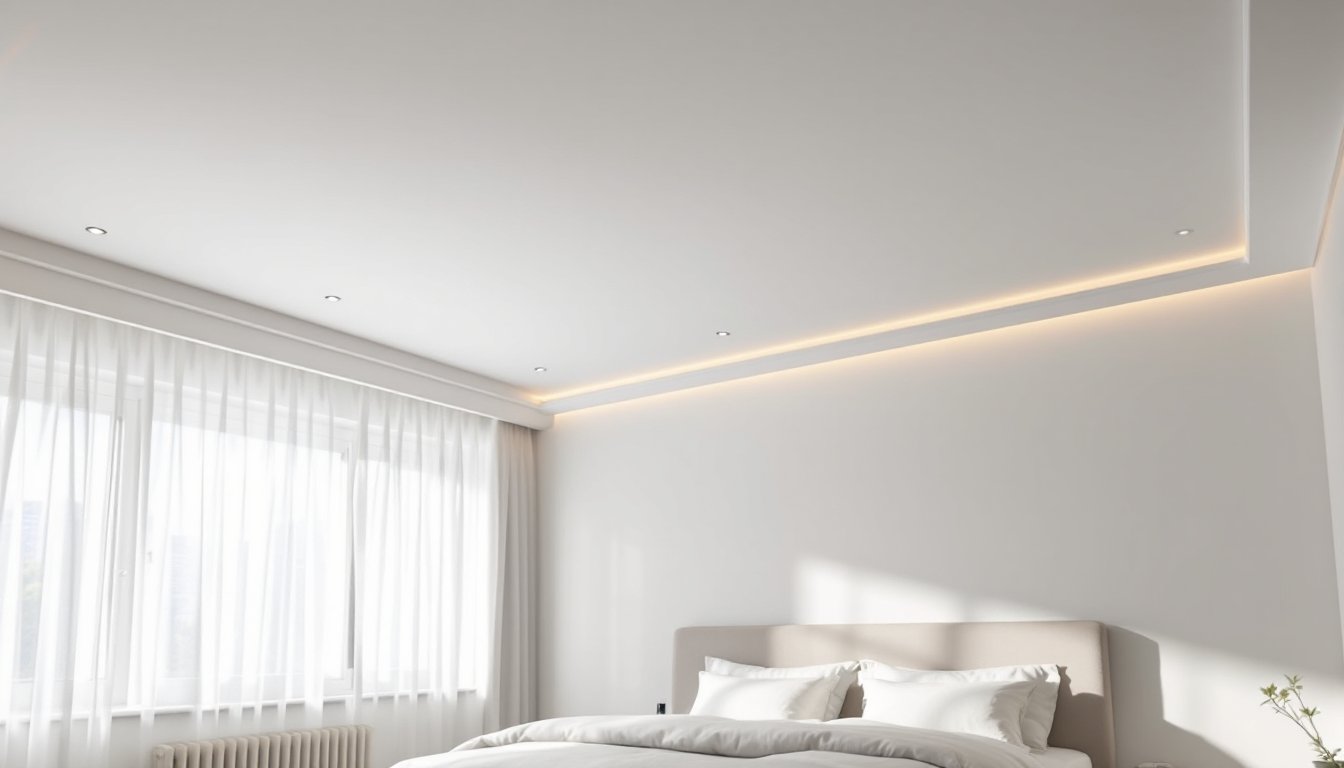
Lighting transforms any space. Natural light is ideal, but layered artificial lighting, combining ambient, task, and accent lights, gives rooms depth and functionality.
Interior design trends come and go, but these basics remain constant. Master them first, and trend application becomes much easier.
Top Interior Design Trends to Try in 2025
The interior design trends shaping 2025 emphasize comfort, nature, and personality. Here are two major trends that beginners can adopt with confidence.
Earthy Tones and Natural Materials
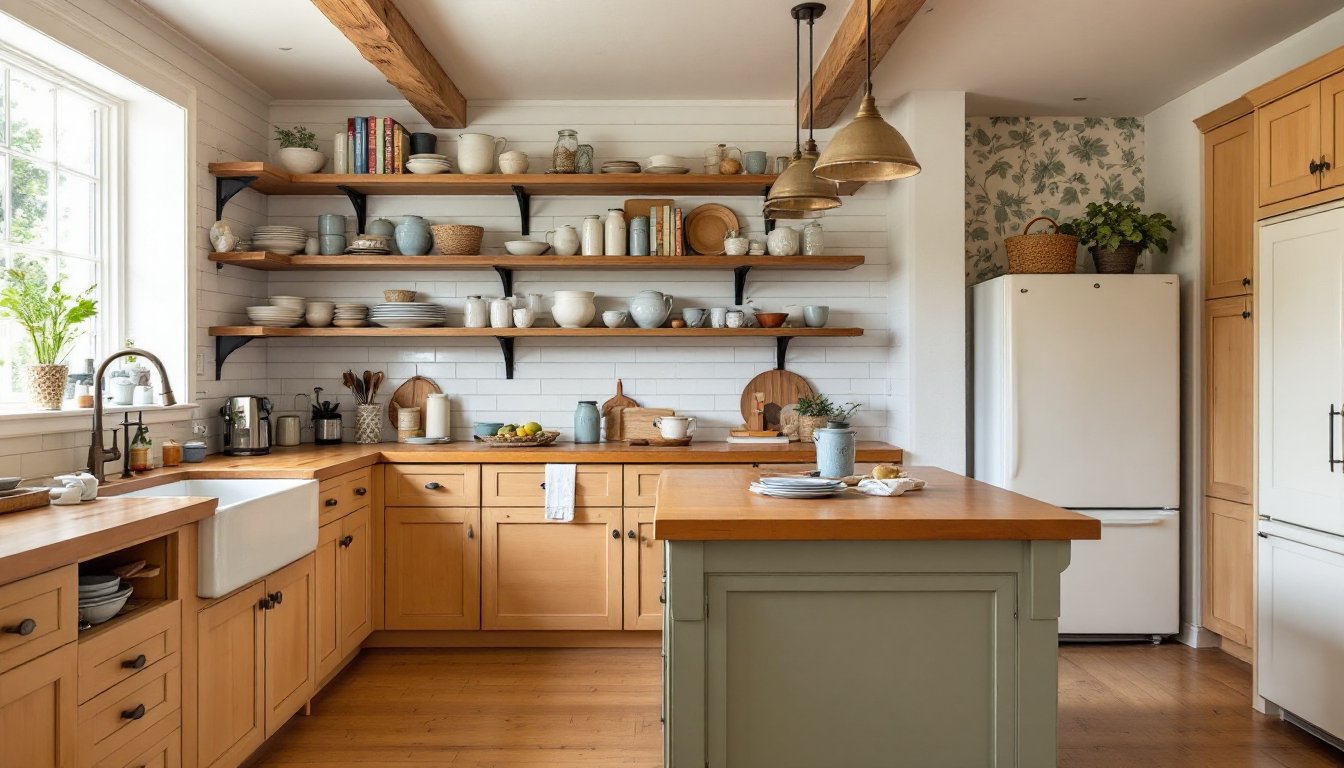
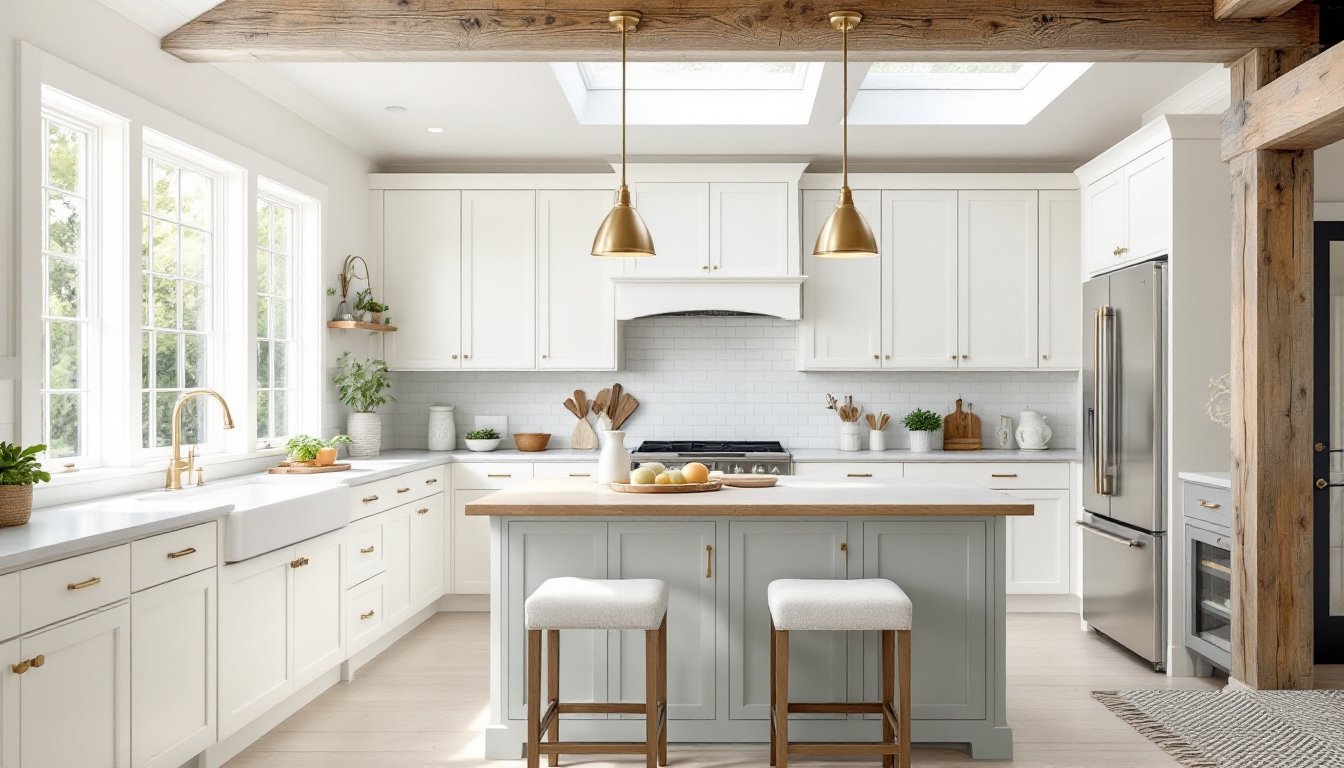
Earthy color palettes dominate interior design trends this year. Think warm terracotta, soft sage green, rich clay browns, and muted ochre. These colors create calm, grounded spaces that feel welcoming.
Natural materials complement these tones perfectly. Wood furniture, stone countertops, linen textiles, and rattan accents bring organic texture into homes. They also age beautifully, a scratched wood table gains character rather than looking damaged.
To apply this trend, beginners can start small. Swap out synthetic throw pillows for linen or cotton versions. Add a wooden tray to a coffee table. Paint one accent wall in a warm neutral shade. These changes cost little but shift the room’s entire atmosphere.
Curved Furniture and Soft Shapes
Sharp angles are taking a back seat in 2025. Interior design trends now favor curved sofas, rounded coffee tables, arched mirrors, and circular rugs. These soft shapes make rooms feel more inviting and less rigid.
Psychologically, curves create a sense of safety and comfort. They also improve traffic flow, people move around rounded furniture more easily than around sharp corners.
Beginners don’t need to replace all their furniture. Adding one curved piece, like an arched floor mirror or a rounded accent chair, introduces this trend without a full room overhaul. Even curved decorative objects, vases, lamps, or picture frames, count.
How to Start Incorporating Trends Into Your Home
Applying interior design trends requires a practical approach. Beginners often feel stuck between wanting change and fearing expensive mistakes. These steps help bridge that gap.
Start with one room. Focusing on a single space prevents overwhelm and allows experimentation. The living room or bedroom makes a good starting point since people spend the most time there.
Create a mood board. Gather images from magazines, Pinterest, or design websites that reflect the desired aesthetic. Look for patterns in the collection, recurring colors, textures, or furniture styles reveal personal preferences.
Set a realistic budget. Interior design trends don’t require massive spending. Thrift stores, estate sales, and online marketplaces offer quality furniture at reduced prices. DIY projects (painting old furniture, making curtains, or creating art) stretch budgets further.
Layer changes over time. No one needs to transform a room overnight. Buy one quality piece per month rather than filling a space with cheap items all at once. This approach builds a more intentional and lasting design.
Mix trends with timeless pieces. Not every item should follow the latest interior design trends. Classic furniture in neutral colors provides stability. Trendy accessories and accent pieces add current flavor without dating the entire room.
Patience matters here. Rushed decisions lead to regret. Living with a space for a while before making major changes helps identify what actually needs attention.
Common Beginner Mistakes to Avoid
Interior design trends become problematic when applied without thought. Beginners often make predictable errors that undermine their efforts.
Buying everything at once from one store. Rooms decorated entirely from a single retailer look staged and impersonal. Mix sources, combine a vintage find with a modern piece and a handmade item.
Ignoring the room’s function. A beautiful dining room where no one ever eats wastes potential. Interior design trends should serve daily life, not just photographs. Consider how the space actually gets used before making decisions.
Following every trend simultaneously. Curved furniture, earthy tones, maximalist decor, and minimalist aesthetics all have merit. But cramming them together creates visual chaos. Pick one or two interior design trends and commit to them.
Forgetting about scale. That gorgeous oversized lamp from the showroom might dwarf a nightstand at home. Always measure furniture and decor before purchasing. Photos can be deceiving.
Skipping the editing phase. More isn’t always better. Once a room feels complete, remove one or two items. Negative space lets remaining pieces breathe and stand out.
Copying rooms exactly from social media. Those perfect photos often feature professional styling, ideal lighting, and careful camera angles. Real homes have outlets, radiators, and awkward corners. Adapt inspiration to the actual space rather than trying to replicate it exactly.