Tuscan Mediterranean kitchen design brings the sun-soaked charm of Italy directly into your home. If you’re drawn to warm, inviting spaces with genuine character, not the sanitized minimalism filling trend lists, this approach rewards you with a kitchen that feels lived-in and authentic from day one. Unlike fleeting design fads, Tuscan Mediterranean styling balances rustic warmth with functional elegance, blending terracotta, aged wood, and handcrafted details into a cohesive whole. Whether you’re gutting a kitchen or tweaking existing cabinetry with new fixtures and finishes, understanding the core principles helps you avoid gimmicky shortcuts and create something that actually holds up to real cooking and family life.
Table of Contents
ToggleKey Takeaways
- Tuscan Mediterranean kitchen design prioritizes authentic, lived-in character through natural materials like terracotta, aged wood, and stone rather than trendy shortcuts or staged perfection.
- Warm color palettes featuring ochres, burnt siennas, and soft terracottas paired with warm lighting (2700K or warmer) create the sun-soaked, inviting atmosphere central to this style.
- Essential design elements include frame-and-panel cabinetry with wrought-iron hardware, hand-painted ceramic backsplash tiles, and countertops in stone finishes that develop character over time.
- Balance open and closed storage (roughly 40/60 ratio), choose Old World-style faucets with bronze or copper finishes, and incorporate arched doorways or exposed beams for authentic architectural depth.
- Avoid polished chrome fixtures, bright white paint, and decorative accessories without function; instead use purposeful textiles, potted herbs, and vintage pottery that reflect genuine cooking and gathering spaces.
What Defines Tuscan Mediterranean Kitchen Design
Tuscan Mediterranean design roots itself in practicality and regional tradition rather than Instagram aesthetics. This style emerged from Italian countryside kitchens where materials were sourced locally, finishes developed naturally over decades of use, and every element served a purpose. Think aged plaster walls, stone floors worn smooth by generations, and cabinetry built to last centuries, not designed to look distressed out of the box.
The aesthetic marries Old World craftsmanship with warm, earthy sensibility. You’ll see exposed wooden beams, hand-painted tiles, wrought-iron hardware, and architectural details like arches and niches that frame functional spaces. Lighting emphasizes amber tones and soft shadows rather than clinical brightness. The overall feel is one of European heritage and unhurried comfort.
This isn’t about replicating a Tuscan villa’s every detail, that’s a different beast entirely. Kitchen design within this tradition prioritizes warmth, durability, and a sense of permanence. Recent interior design trends show homeowners shifting away from cold, sterile surfaces toward spaces that age gracefully and invite lingering over meals. The kitchen becomes a gathering place, not just an appliance repository.
One critical distinction: authentic Tuscan Mediterranean kitchens feel organic, not staged. Weathering, patina, and honest material texture matter more than pristine perfection.
Color Palettes and Materials
Earthy Tones and Natural Finishes
Color selection anchors the entire design. The Tuscan palette revolves around warm ochres, burnt siennas, soft terracottas, warm creams, and deep browns, the hues you find in clay, aged plaster, and weathered stone. Walls typically feature soft, matte finishes in cream, warm white, or pale golden tones. Avoid bright white: it reads cold and modern.
Material choices matter equally. Terracotta tile flooring (8×8 or 10×10 inch nominal sizes are traditional) develops rich patina over time and handles spills naturally. If budget or durability concerns arise, porcelain mimicking terra cotta works as a practical alternative requiring less sealing. Stone countertops, travertine, limestone, or slate, develop character through use and age gracefully. Granite works too, but lean toward finishes with warm undertones rather than cool grays.
Cabinetry often features stained wood in warm medium to dark tones, or painted finishes in cream, soft sage, or muted mustard. Interior design trends tips increasingly embrace painted or distressed cabinetry over natural wood, partly because achieving authentic distressing requires years (or requires faking it, honestly, natural patina beats hand-applied “aging”).
Backsplash tile is where personality flourishes. Hand-painted ceramic tiles in blues, greens, creams, and earth tones add visual interest without shouting. Many homeowners source salvage tiles from European suppliers or invest in custom hand-painted work. Budget accordingly: authentic hand-painted tiles cost significantly more than mass-produced alternatives.
Grout and mortar finishes should feel rustic, slightly irregular spacing and visible texture are features, not flaws. Smooth, perfectly uniform grouting reads modern and contradicts the aesthetic.
Essential Design Elements and Fixtures
Cabinetry, Countertops, and Hardware
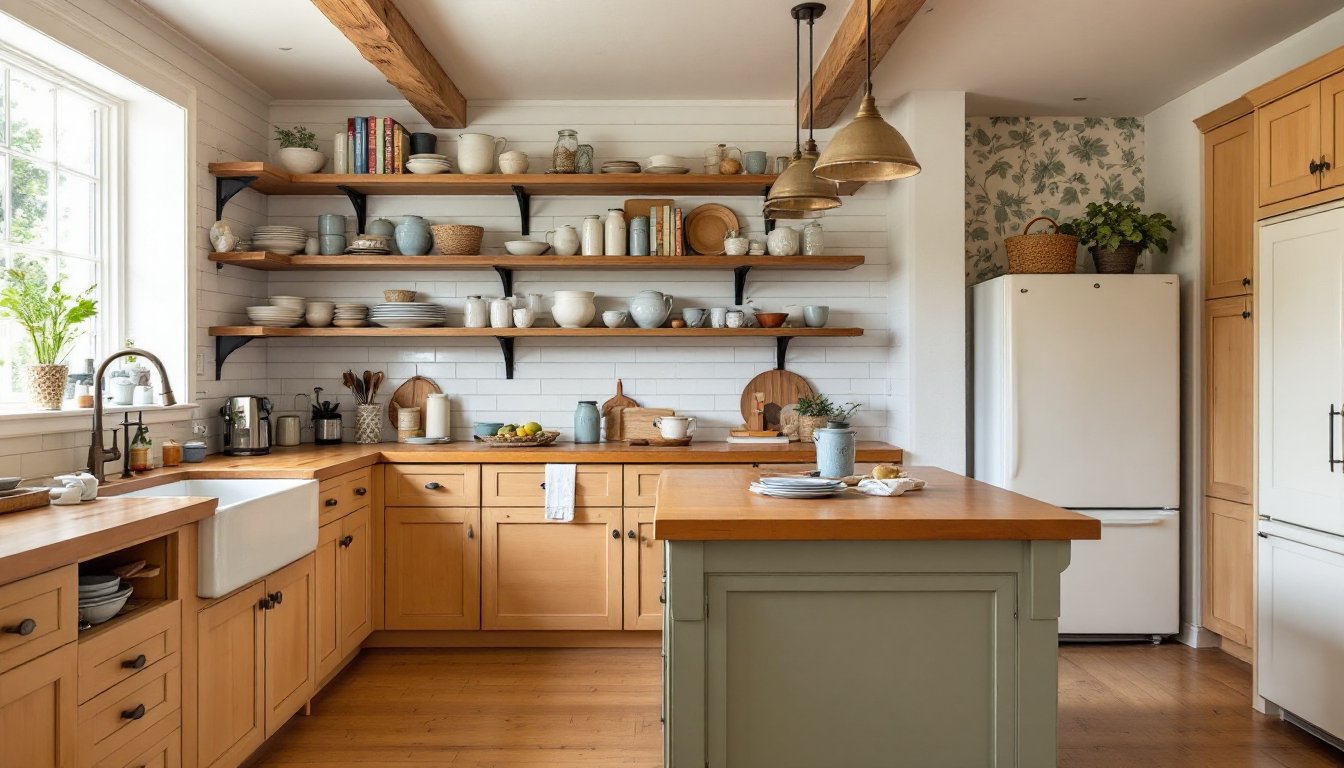
Cabinetry forms the visual and functional foundation. Frame-and-panel construction with raised panels (rather than flat-panel contemporary styles) feels period-appropriate. Open shelving displays pottery, glassware, and cookbooks: closed storage keeps less-beautiful items hidden. Many Tuscan kitchens balance open and closed storage roughly 40/60, with open shelves at eye level and practical cabinet storage below.
Cabinet hardware, knobs, pulls, and hinges, demands attention. Wrought iron, aged bronze, and hand-forged brass fittings suit this aesthetic. Ornate hardware feels overly fussy: opt for simple, substantial pieces with visible patina. Avoid polished chrome or brushed nickel entirely.
Countertop edges matter. Rather than modern beveled or eased edges, consider bullnose (rounded) or ogee profiles that suggest European craftsmanship. Depth typically runs 24–25 inches nominal: avoid skimpy counters that feel cramped.
Faucets should express Old World character. Bronze or copper finishes with cross handles (rather than single-lever) feel authentic. Look for styles with visible articulation and slight ornamental detail without overdoing it. An arched or gooseneck spout works well: rigid modern designs clash.
Resources like Remodelista’s Tuscan kitchen essentials highlight curated product selections that balance authentic character with modern functionality. Appliances pose a challenge: stainless steel visibly dominates contemporary kitchens. If budget allows, consider integrated or paneled appliances. At minimum, select finishes in warm stainless or consider appliances in cream or soft colors that recede visually.
Lighting and Ambient Atmosphere
Lighting shapes how the design feels. Tuscan Mediterranean spaces favor warm color temperatures, 2700K or warmer on the Kelvin scale, which mimic candlelight and sunset. Avoid cool white (5000K+) and even neutral white (4000K) bulbs: they flatten the warmth you’ve worked to establish.
Fixture selection should emphasize handcrafted, aged, or rustic styles. Wrought-iron chandeliers, aged bronze pendants, and candle-style fixtures feel appropriate. Glass shades in amber, warm cream, or frosted finishes diffuse light softly. Recessed lighting, if used, should be minimal and focused on task areas: exposed fixture styles dominate.
Consider layered lighting: overhead ambient from a chandelier or multiple pendants, task lighting above work surfaces (ideally under-cabinet LED strips in warm white), and accent lighting highlighting architectural details or art. Dimmers on ambient circuits let you adjust mood from bright (mid-day cooking) to intimate (evening gatherings).
Wall sconces flanking a mirror or artwork add warmth and avoid the sterile overhead-only trap. Avoid spotlights, track lighting, and contemporary pendant designs: they read residential rather than European.
Natural light enhances the aesthetic. Windows with deep sills, arched tops, or divided panes suggest older construction and frame views beautifully. If adding or enlarging windows, consider styles that complement the overall character.
Decorative Accents and Finishing Touches
Finishing touches either elevate authenticity or descend into theme-park kitsch. The difference lies in restraint and purposefulness. Decorative pottery, bowls, pitchers, serving platters, works beautifully on open shelves, especially if you actually use these pieces. Ornamental items without function (decorative fruits, novelty plaques) feel forced.
Textiles introduce softness: linen curtains in cream or subtle patterns, cotton dish towels in natural or muted dyes, and area rugs with traditional patterns ground the space. Avoid synthetic-looking fabrics or bold contemporary prints.
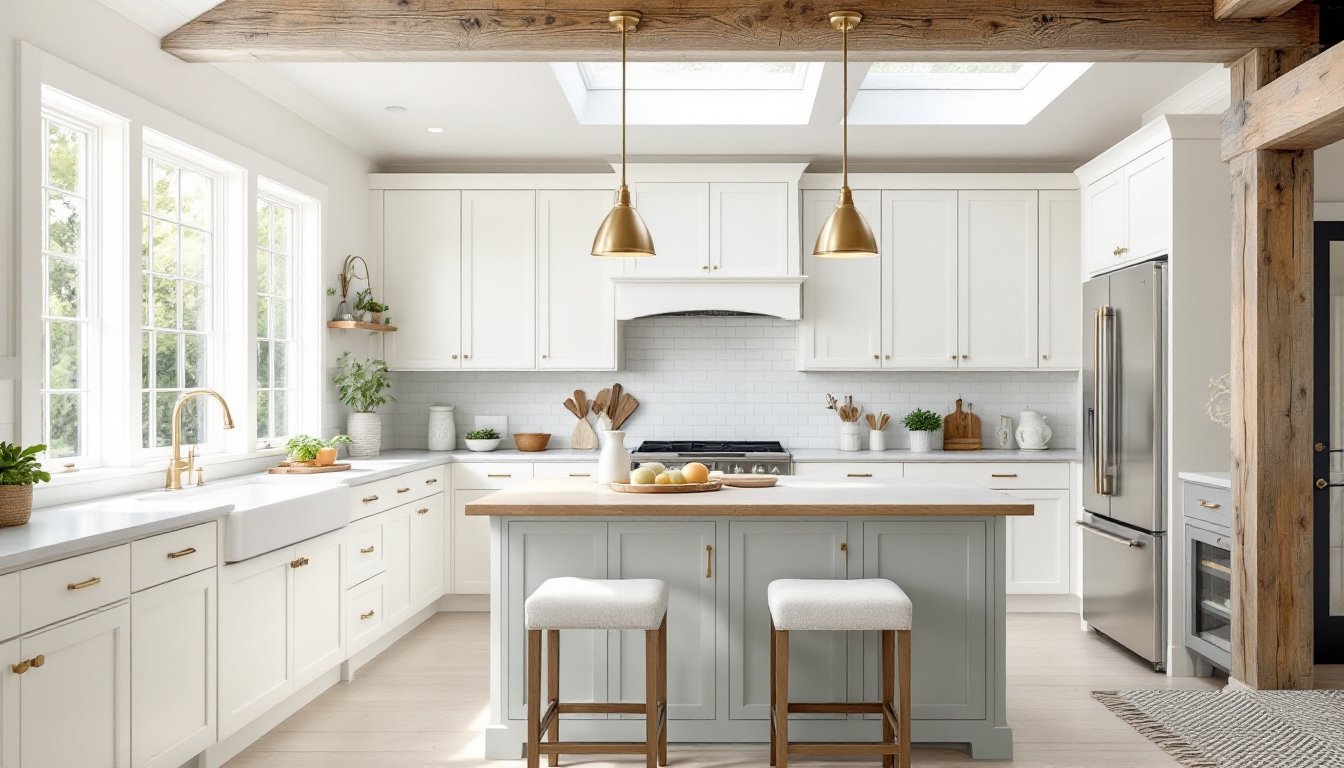
Architectural details matter. Exposed ceiling beams (real or convincingly faux, if ceiling height allows), arched doorways or niches, and shiplap or plaster walls create depth and character. Beams should look substantial (6×8 or 8×10 nominal sizing, not wimpy 2×4s) and aged or stained appropriately. If adding architectural elements, ensure proportions match the room, oversized arches in a modest kitchen look goofy.
Walls benefit from texture. Plaster finishes (smooth, with subtle trowel marks), stone wainscoting in lower sections, or matte paint with slight variations suggest age and craft. Avoid slick, uniform finishes or trendy wallpaper patterns that date quickly.
Plants and herbs thrive here naturally. A potted lemon tree near a window, fresh basil on a sunny sill, or climbing ivy framing a window feel organic rather than decorative. These functional growing spaces reflect the kitchen’s purpose.
A simple wooden island or cart provides additional workspace and visual interest. Wrought-iron or wood supports suit the aesthetic: sleek contemporary designs undercut the warmth. Home design resources showcase how architectural and decorative layers combine into cohesive interiors worth studying for proportion and balance.