Small kitchens demand smart planning. Every inch counts, and cabinet design sets the tone for both function and aesthetics. Whether you’re working with a galley kitchen, a studio apartment, or a cottage kitchen, the right cabinet strategy transforms limited space into a well-organized, visually appealing hub. This guide walks you through assessing your layout, choosing styles that work, organizing smart storage, and selecting finishes and hardware that amplify your space, all without sacrificing practicality or design.
Table of Contents
ToggleKey Takeaways
- Measure your kitchen layout thoroughly and assess the workflow triangle (stove-sink-fridge) before selecting small kitchen cabinet design solutions.
- Modern minimalist and shaker-style cabinets with clean lines and handleless designs create a less-cramped feeling in small kitchens.
- Pull-out drawers, vertical dividers, and corner pull-outs multiply usable storage and eliminate the wasted space common in compact layouts.
- Light colors, matte finishes, and floor-to-ceiling cabinets make small kitchens feel larger while maximizing storage capacity.
- Streamlined hardware (3–4 inch pulls and simple knobs) and warm-white LED lighting enhance both functionality and aesthetics without visual clutter.
Assess Your Space and Current Layout
Before picking a single cabinet, measure your kitchen thoroughly. Grab a tape measure and jot down wall lengths, ceiling height, window placements, and the location of existing plumbing and electrical outlets. Sketch a rough floor plan, it doesn’t need to be beautiful, just accurate.
Note which walls are load-bearing (these can’t be modified without structural work) and identify any quirks: sloped ceilings, radiators, or uneven walls. Check your current cabinet depth: standard cabinets run 24 inches deep, but smaller kitchens sometimes use 15-inch or 18-inch shallow base cabinets to improve floor space.
Measure your doorways and hallways too. A tall cabinet that won’t fit through the entry is an expensive mistake. If you’re renovating, verify whether you’ll need permits for electrical or plumbing work related to new cabinet placement, this varies by jurisdiction and should be confirmed with your local building department.
Look at your workflow: stove-sink-fridge triangle. Small kitchens benefit from keeping these three zones close and uncluttered. This layout assessment guides everything that follows.
Choose the Right Cabinet Style for Your Kitchen
Modern Minimalist Vs. Traditional Designs
Modern minimalist cabinets use clean lines, flat-panel doors, and hidden hardware (pull-to-open or push-to-open mechanisms). They work beautifully in small spaces because the visual simplicity makes rooms feel less cramped. Think handleless slab doors in white, gray, or natural wood, they shrink visual clutter.
Traditional or transitional styles feature raised-panel doors, visible knobs or pulls, and sometimes crown molding. These add character but demand more visual real estate. In small kitchens, use them sparingly, perhaps on select wall cabinets, paired with simpler base cabinets.
Cottage or shaker styles sit between the two. Shaker-style cabinets (recessed-panel doors with simple frames) work well in tight spaces because the proportions feel timeless without being fussy. They’re also a solid middle ground: period-appropriate but not ornate.
Choose one style and commit. Mixing too many styles reads as chaotic in a small footprint. Your choice should also reflect your kitchen’s bones, an older home may feel more natural with transitional styling, while a modern condo suits minimalist design. Examples of compact cabinet solutions can be found in small kitchen cabinet galleries, which showcase how different styles maximize functionality without wasting space.
Smart Storage Solutions and Organization Systems
Small kitchens require strategic interior organization. Don’t just fill cabinets, outfit them with systems that multiply usable space.
Pull-out drawers and shelves transform deep base cabinets. Instead of reaching to the back of a 24-inch cabinet and losing items, a pull-out system brings everything forward. These are available as retrofit kits for existing cabinets or built into new ones.
Dividers and vertical organizers handle pots, pans, and cutting boards without stacking. A single cabinet fitted with dividers holds 10+ items that would otherwise pile and create mess.
Lazy susans in corners maximize dead space. A blind-corner pull-out (a specialized mechanism) retrieves items that would otherwise hide in the back, these cost more but solve a real problem in compact layouts.
Drawer organizers separate utensils, hardware, and small gadgets. Measure your drawer depth and width before buying, standard organizers don’t always fit nominal 18-inch or 24-inch drawers (actual interior dimensions are smaller).
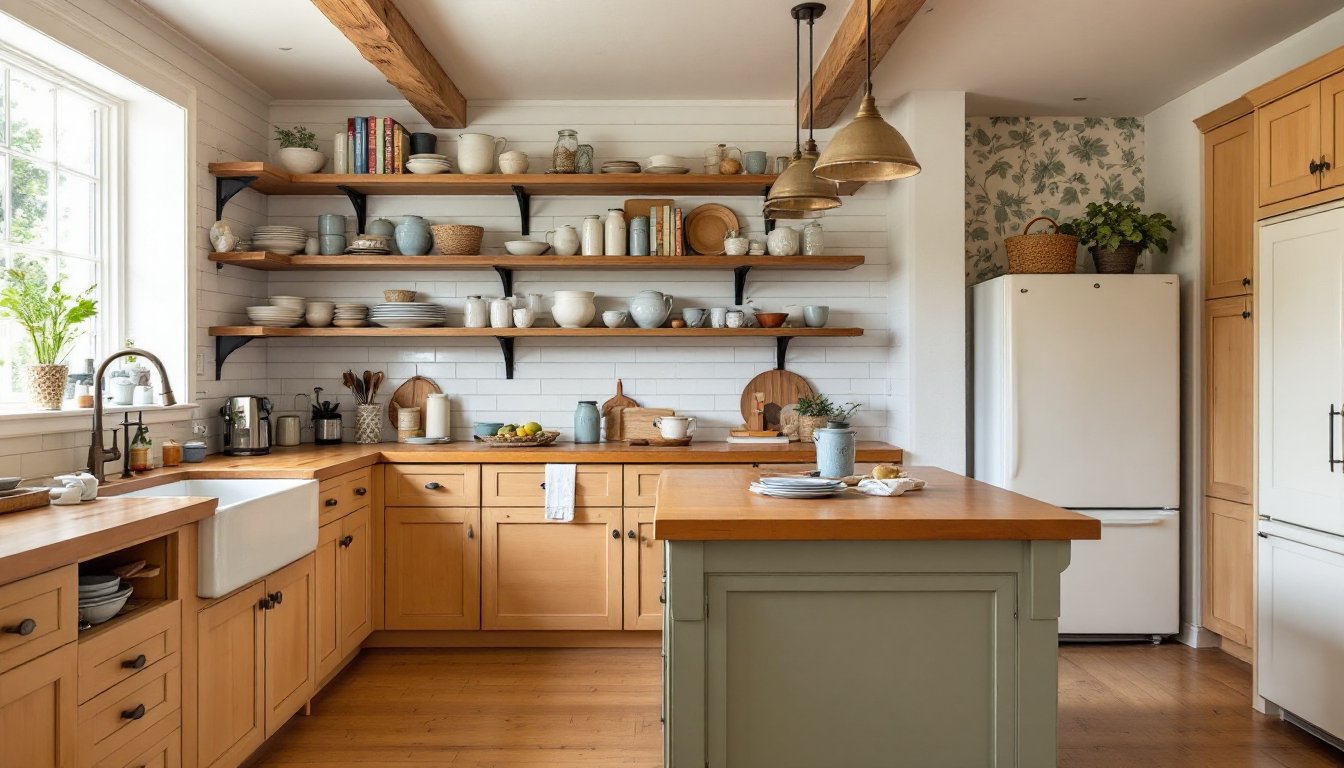
Open shelving or glass-front cabinets on one or two walls add lightness. But keep them styled and minimal, a small kitchen with open shelving full of clutter looks worse than closed cabinets. Reserve open shelving for items you actually use and that look intentional: a set of matching dishes, cookbooks, or plants.
For deeper dives on kitchen organization, The Kitchn offers tested solutions for small spaces and real-world kitchen challenges.
Maximize Vertical Space and Corner Cabinets
In a small kitchen, go tall. Floor-to-ceiling cabinets or tall pantry units use wall space you otherwise can’t access, and the extra storage removes clutter from countertops.
Standard wall cabinets run 12–15 inches deep and sit 18 inches above the counter. Increasing height to 42 or 48 inches (instead of the typical 30-inch upper cabinet) adds significant volume without increasing footprint. Just make sure the lowest shelf is still accessible, around 54–60 inches is typical for easy reach.
Corner cabinets are notoriously wasteful. A standard corner cabinet leaves a dark, hard-to-access zone. Better options:
- Blind-corner base cabinets with pull-out shelves or rotating turntables
- Two 24-inch cabinets that meet at an angle instead of one corner cabinet, easier to access both sides
- Open shelving or a narrow vertical cabinet that bridges the corner and stays accessible
Tall narrow cabinets (12 or 15 inches wide) fit between appliances and make excellent pantries. Use them for canned goods, baking supplies, or small appliances.
Vertical dividers inside tall cabinets prevent stacking and make finding items easier. A 36-inch-tall cabinet with four evenly spaced dividers holds pans upright and accessible without climbing.
Color and Finish Selection for Small Kitchens
Color powerfully affects how a small kitchen feels. Light colors (white, soft gray, pale beige, or light wood tones) reflect light and make the space feel larger. Dark cabinets absorb light and can make tight kitchens feel cave-like, save navy or charcoal for accent cabinets, islands, or a single wall.
Matte or satin finishes are practical and modern, hiding fingerprints and water spots better than high-gloss. Gloss finishes bounce light, creating visual interest, but require frequent wiping in a kitchen (where steam and cooking splatter collect).
Natural wood tones (oak, maple, walnut, or hickory) add warmth without the heaviness of painted dark finishes. A light natural finish balances brightness with organic character. Ensure the wood’s grain is relatively subtle: busy grain in a small space reads as busy.
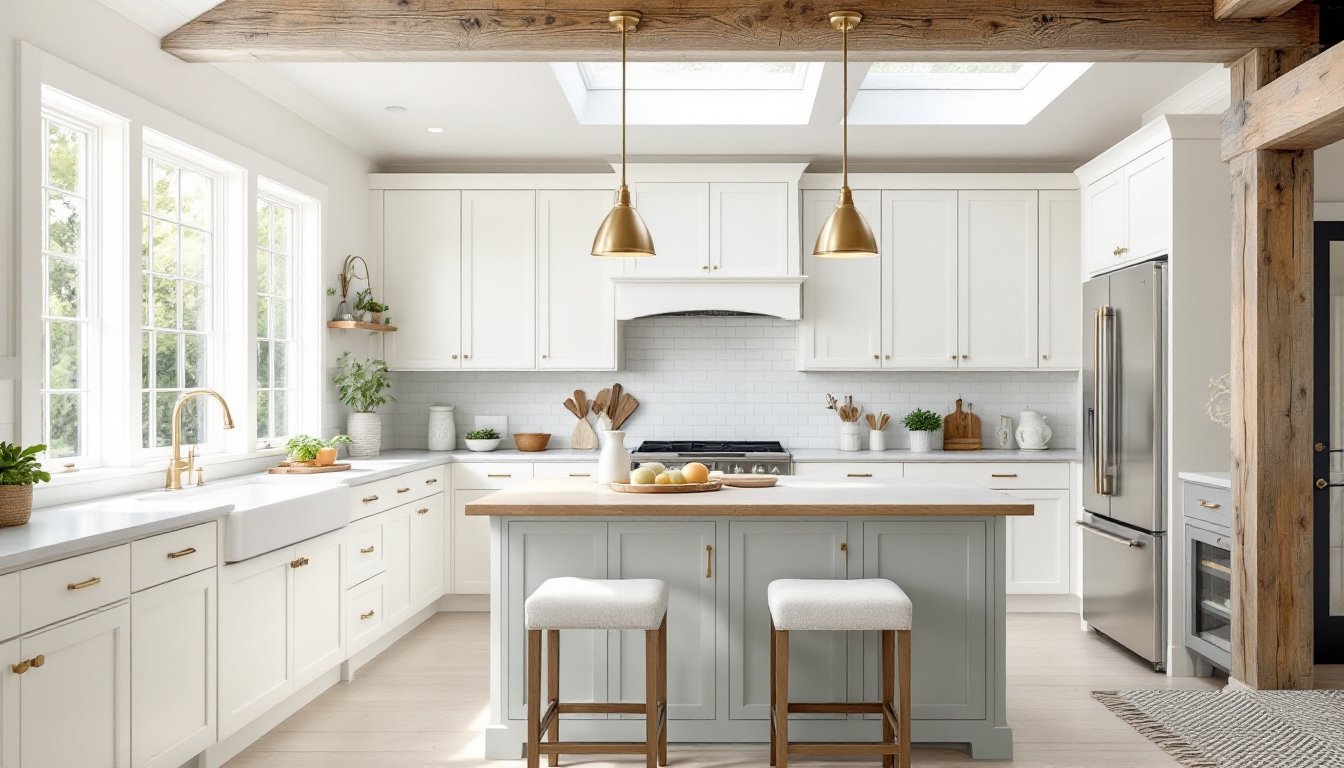
Two-tone cabinets (e.g., light uppers, darker base) define zones in an open-plan kitchen or add subtle sophistication. Just avoid overcomplicating, two coordinating colors work: three or more feel fragmented in small quarters.
Backsplash and hardware tie color choices together. A soft white subway tile with brushed nickel or brass hardware complements modern minimalist cabinets. A natural wood cabinet pairs well with ceramic or stone tile and warm metal finishes. Design inspiration and real-world examples are available at Homedit, which showcases modern and classic kitchen designs.
Test paint or stain samples on a large piece of cardboard and observe them in your kitchen at different times of day. Lighting changes everything.
Hardware and Lighting to Enhance Your Design
Cabinet hardware, knobs and pulls, is jewelry for your kitchen. In small spaces, choose hardware that’s functional without being fussy. Oversized, ornate handles fight for visual attention and make cabinets feel cumbersome: simple, streamlined hardware lets the cabinet design speak.
Knobs (round, square, or tapered) work well on tall cabinets and smaller doors. They take up minimal space and open smoothly.
Pulls (bars or handles) suit deeper drawers and larger cabinet doors, offering a grip that requires less wrist rotation. In small kitchens, 3–4 inch pulls are proportionate: 6-inch pulls look awkward on 18-inch doors.
Finishes matter too: brushed nickel and brushed stainless look contemporary and hide fingerprints: polished brass or chrome add shine but show use quickly: matte black is modern and subtle. Pick one finish and commit, mixing three finishes in a small space reads as scattered.
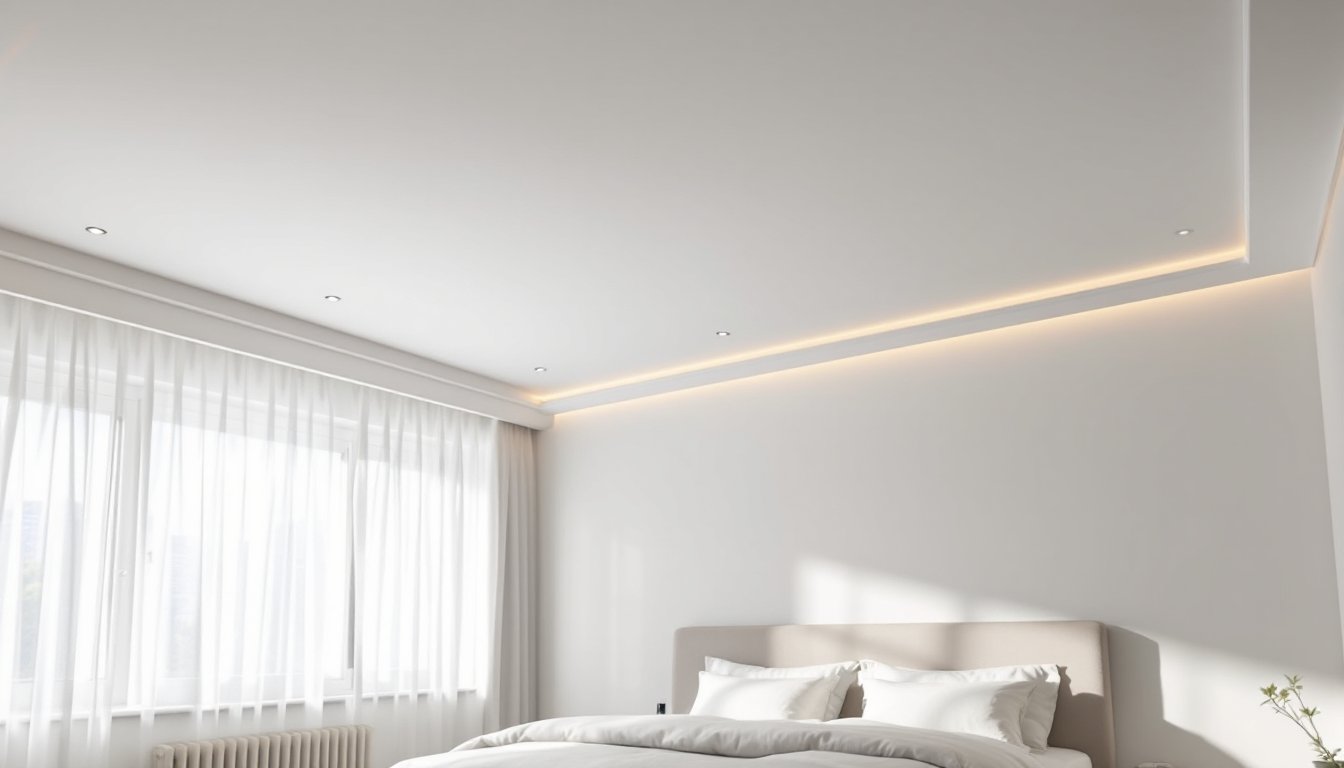
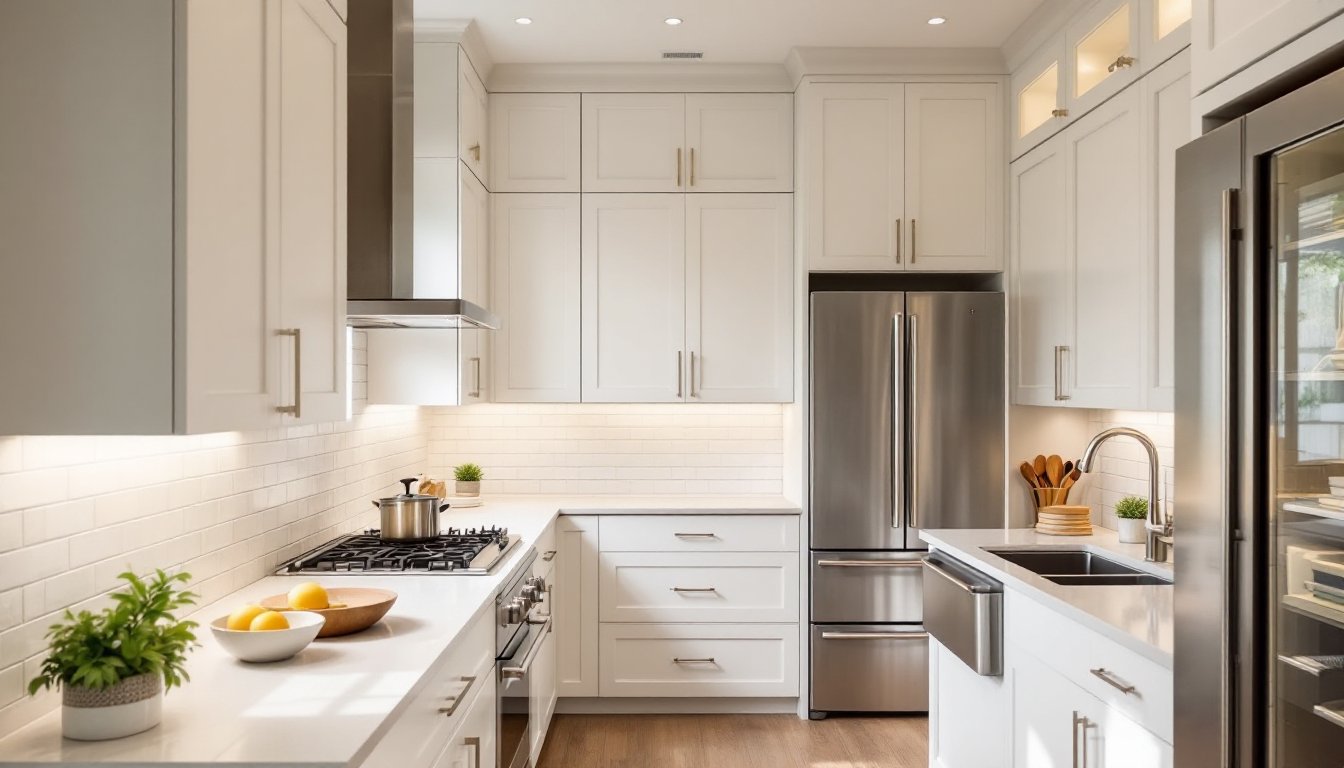
Lighting transforms cabinets and functionality. Under-cabinet LED strips illuminate the countertop and make the space feel larger. Install them along the front edge of wall cabinets, hidden from view but casting light downward. Hard-wired strips are cleaner than battery-operated, though battery strips work if you lack wiring access.
Interior cabinet lighting (battery or wired LEDs) makes glass-front cabinets glow at night and helps you find items without opening. Avoid bright white light (5000K+): warm white (2700–3000K) feels more inviting in a small kitchen.
Dimable lights let you adjust brightness for different times of day, making the kitchen feel cozy in the evening and functional during meal prep.