Your kitchen cabinets aren’t just storage, they’re the visual anchor of your entire space and a major factor in how well your kitchen actually works. Whether you’re renovating or refreshing your existing layout, thoughtful cabinet kitchen design can make the difference between a kitchen that feels cramped and awkward versus one that flows naturally and looks sharp for years. In 2026, homeowners and DIYers have more options than ever: sleek modern minimalism, warm transitional blends, bold color statements, and smart organizational systems that transform how you cook and store. This guide walks you through the styles, finishes, and practical strategies to choose cabinets that fit your lifestyle, budget, and home.
Table of Contents
ToggleKey Takeaways
- Strategic cabinet kitchen design accounts for 30–40% of renovation budgets and significantly impacts both functionality and resale value, making thoughtful planning essential for long-term satisfaction.
- Popular styles in 2026 range from sleek modern minimalism with flat-panel doors and neutral tones to transitional designs that blend warmth and timelessness, allowing homeowners to choose based on lifestyle and aesthetic preference.
- Smart storage solutions like pull-out drawers, corner organizers, and appropriately sized deep drawers transform kitchen efficiency and eliminate daily frustration by keeping frequently used items within arm’s reach of work zones.
- Color and finish selection should be tested in your actual kitchen lighting, with durable options like lacquer and conversion varnish providing moisture and heat resistance that outperforms standard interior paints.
- Budget-conscious homeowners can refresh kitchens through refacing (40–60% of replacement cost), DIY painting, or hardware swaps (under $500) rather than committing to full replacements costing $15,000–$50,000+.
- Invest upfront time measuring your space, identifying storage needs, and visiting showrooms to order samples before deciding between full replacement, refacing, painting, or hardware updates—your cabinets will serve your kitchen for 10–20 years.
Why Kitchen Cabinet Design Matters for Your Home
Cabinets typically account for 30–40% of a kitchen renovation budget, so getting the design right pays off in both functionality and resale value. Well-planned cabinet kitchen design does more than look good, it reduces clutter, speeds up meal prep, and can actually make a smaller kitchen feel larger. Poor cabinet placement or inadequate storage forces you to work around inefficiency every single day.
Beyond aesthetics, cabinet layout affects traffic flow. A galley kitchen with opposing cabinets needs careful door swing planning so you’re not constantly dodging open doors. Islands and peninsula cabinets expand work surface and storage while keeping the cook zone organized. Quality cabinet construction, solid joinery, smooth hardware, and durable finishes, also matters far more than cosmetic trends. A well-built cabinet system will outlast fad colors and styles, giving you a solid foundation to refresh with paint or hardware swaps later.
Popular Kitchen Cabinet Styles to Consider
Modern and Contemporary Designs
Modern cabinets emphasize clean lines, minimal ornamentation, and a seamless aesthetic. Flat-panel or slab doors (smooth, handleless fronts) are the hallmark: some feature integrated handles routed into the frame for an even sleeker look. Colors lean toward whites, grays, matte blacks, and natural wood tones like light oak or walnut. Hardware, when visible, is geometric and understated, think thin metal pulls in brushed brass or stainless steel.
Contemporary design works especially well in open-concept kitchens where your cabinets blend into living areas. Floating upper cabinets or glass-front doors let you display dishware while keeping sightlines open. Pair modern cabinet doors with quartz or concrete-look countertops and minimal backsplash tiling. The trade-off: minimalist cabinets demand impeccable organization inside, there’s nowhere to hide clutter visually.
Classic and Transitional Styles
Classic (or traditional) cabinets feature raised-panel doors, decorative moldings, and warm wood tones like cherry, hickory, or medium oak. Crown molding at the ceiling line and toe-kick detailing add architectural presence. These cabinets pair beautifully with tile or subway backsplashes and classic hardware like cup pulls or barrel hinges. Design inspiration comes from established sources like Remodelista and The Kitchn, which showcase timeless kitchen layouts.
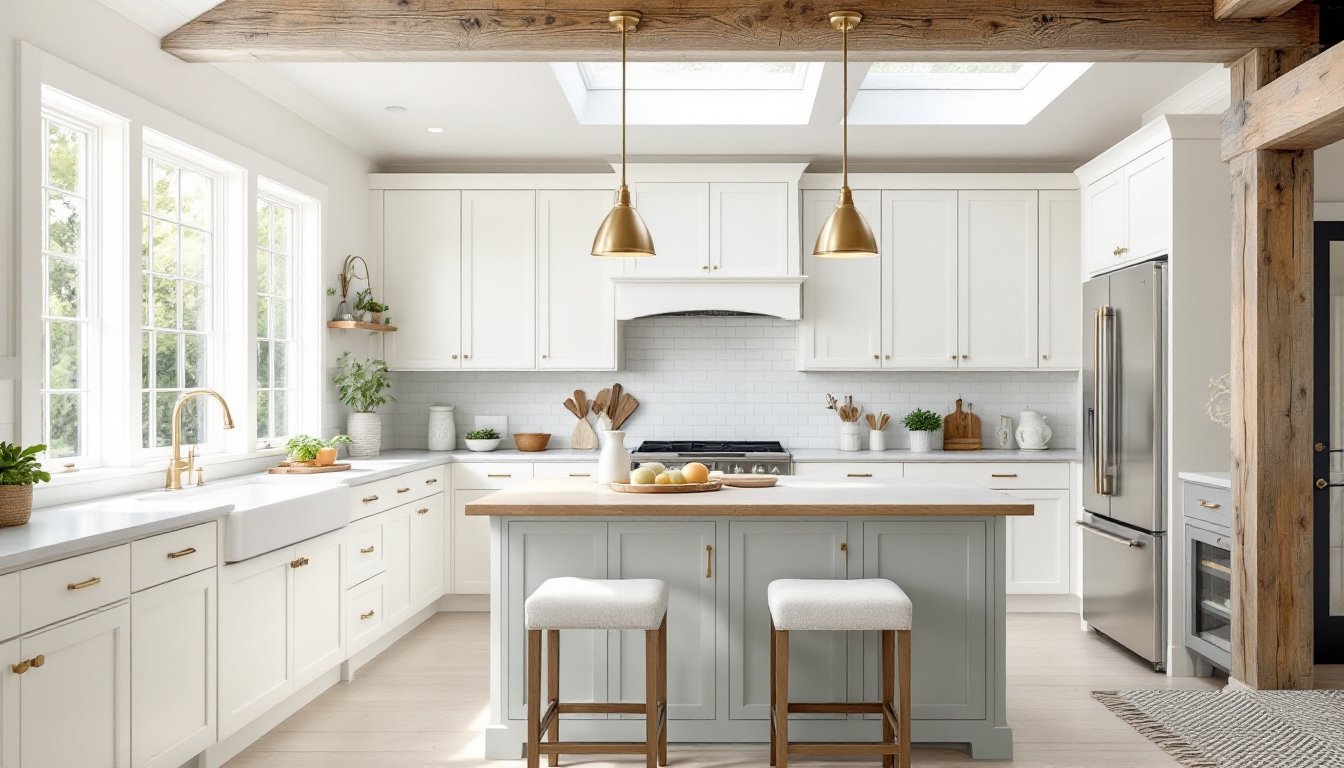
Transitional cabinets split the difference: simple five-piece panel doors (less ornate than full traditional), neutral colors, and a mix of wood stain and painted finishes. This hybrid approach has staying power because it borrows warmth from traditional design without feeling dated. White or cream painted cabinets paired with light gray islands create a sophisticated, balanced look that works in farmhouse, cottage, and modern homes alike.
Choosing Colors and Finishes That Work for Your Kitchen
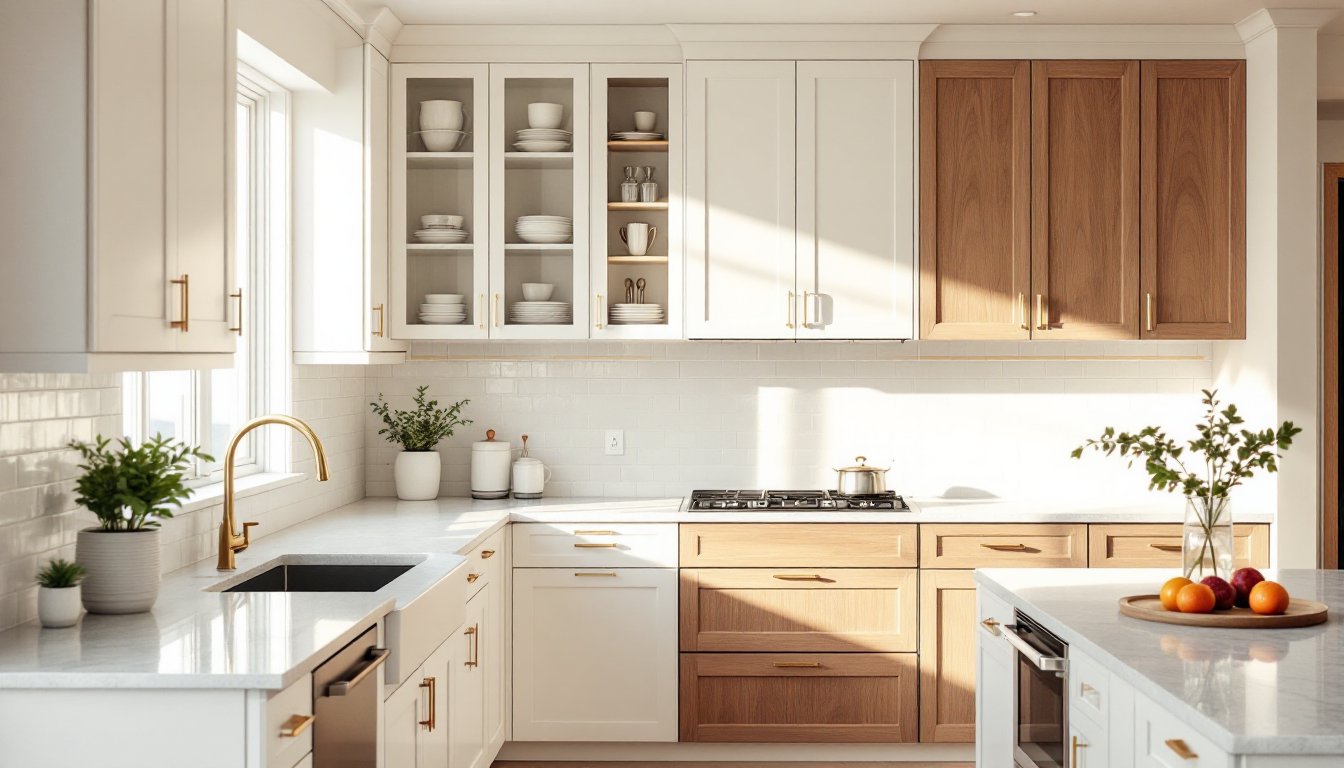
Color sets the mood: finish determines durability. Start with what feels right: white and cream cabinets brighten small kitchens and pair with nearly any countertop: grays and soft blues add calm sophistication: deep navy or forest green makes a bold statement when paired with warm metals like brass or copper. Two-tone cabinetry, mixing painted island fronts with stained upper cabinets, for example, adds visual interest without overwhelming the space.
For finish, lacquer or conversion varnish provide a durable, wipeable surface that resists moisture and heat. Matte finishes hide fingerprints better than gloss but show dust more readily. Stained wood finishes should be sealed with polyurethane: natural wood without topcoat will absorb spills and stains quickly. Paint finishes range from flat (hides imperfections, harder to clean) to semigloss (wipeable, shows dust). For a DIY repaint job, invest in quality primer (two coats) and cabinet-grade paint, standard interior latex won’t hold up to kitchen wear.
Test color swatches in your actual kitchen lighting at different times of day. What looks perfect under bright shop lights in a showroom may feel too cool or dark at home. Many homeowners order a sample door or cabinet face to confirm the color and finish before committing to a full suite.
Maximizing Storage and Functionality
Smart storage design separates an efficient kitchen from one that frustrates you daily. The work triangle (sink, stove, refrigerator) should guide cabinet placement: store frequently used items, pots, pans, everyday dishes, in cabinets within arm’s reach of these zones. Pull-out drawers, sliding shelves, and wire baskets maximize access to deep cabinet bottoms where items get forgotten.
Corner cabinets are notoriously hard to use: diagonal shelving, lazy susans, or swing-out organizers can salvage that awkward space. Vertical dividers keep cutting boards and baking sheets from toppling over: deep drawers work better than shallow shelves for storing pots because you can see and grab what you need instantly. Open shelving works visually in modern kitchens but requires discipline, only install it if you’re willing to keep that space organized and dust-free.
Drawer depth matters too: 12-inch deep drawers suit utensils and gadgets: 18-24 inches handle pots, pans, and food storage. Most cabinet makers offer these variations without major cost. Think about your actual cooking routine: if you bake weekly, drawer space for mixers and muffin tins matters more than a showcase spice rack. Interior design trends tools can help you visualize layouts: interior design trends resources show real kitchens and how they solved storage challenges.
Budget-Friendly Cabinet Design Tips for DIY Homeowners
A full cabinet replacement runs $15,000–$50,000+ depending on size and finish, but smart budget choices lower that cost significantly. Stock cabinets (factory-made, limited sizes) cost 40–50% less than semi-custom or fully custom options: they work well in standard kitchens and install quickly. Semi-custom builders let you tweak dimensions and finishes for a middle-ground price.
Refacing (swapping doors and hardware while keeping cabinet boxes) costs 40–60% of a full replacement and works if your existing boxes are solid and level. A fresh coat of cabinet paint, applied correctly with primer and semi-gloss cabinet enamel, refreshes cabinets for under $2,000 in labor and materials. DIYers tackle paint jobs in stages (remove doors, paint frame, then doors) to minimize kitchen downtime.
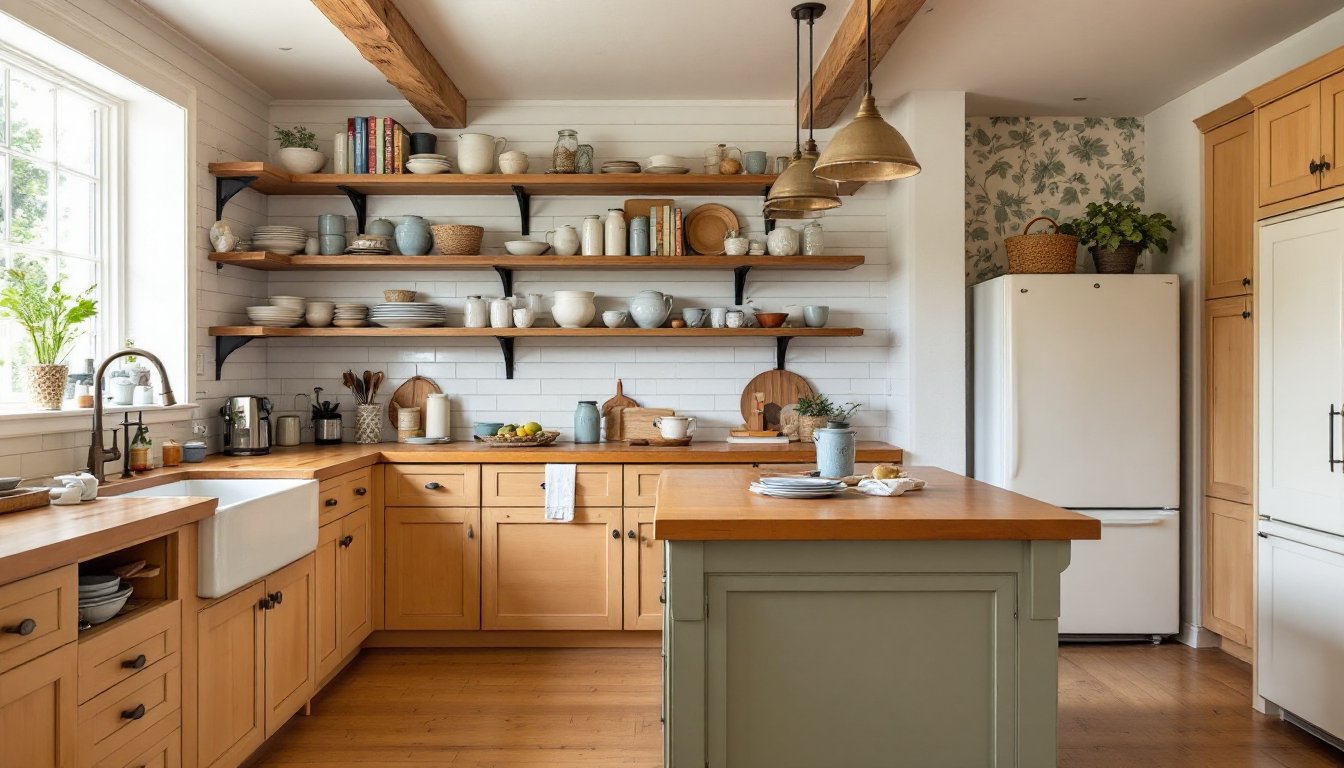
Hardware is an overlooked bargain: swapping out dated knobs and pulls for contemporary handles costs under $500 for an entire kitchen and instantly modernizes the look. Open shelving in one section (over a peninsula or beside a window) combines visual interest with lower material cost. Mismatched stain colors, walnut uppers, white painted island base, cost the same as monochromatic schemes but feel intentional and sophisticated. Homedit showcases budget-friendly kitchen refreshes that prove you don’t need a six-figure reno to transform your space.
Next Steps: Planning Your Kitchen Cabinet Design
Strong cabinet kitchen design starts with honest assessment: measure your kitchen carefully, list what you actually need to store, and walk through your typical cooking day to identify friction points. Visit showrooms, order samples, and photograph layouts you like. Decide whether you’re doing a full replacement, refacing, painting, or hardware refresh, each has different timelines and skill requirements. Get professional advice if layout changes involve plumbing or electrical relocation. Your cabinets will live in your kitchen for 10–20 years: spending time upfront on smart design pays dividends in daily usability and long-term satisfaction.