English kitchen design represents a marriage of heritage and practicality that refuses to fade with trends. Whether you’re drawn to the warm, inviting cabinetry of a Cotswolds cottage or the refined restraint of a Georgian townhouse, English kitchens strike a balance between beauty and everyday usability that modern open-plan living hasn’t quite replaced. These kitchens prioritize craftsmanship, quality materials, and functional layout over flash. If you’re considering renovating or building a kitchen that feels both timeless and livable, understanding the defining elements of English kitchen design will help you make choices that age well and perform hard.
Table of Contents
ToggleKey Takeaways
- English kitchen design prioritizes craftsmanship, honest materials, and functional beauty over trendy styling, creating kitchens that age well and perform hard.
- Cabinetry forms the foundation of English kitchen design, using recessed-panel or Shaker-style doors with quality joinery, paired with a mix of fitted and open shelving for practical storage.
- Natural materials like hardwoods (oak, ash, walnut), marble, slate, and handmade ceramics define the warm, durable aesthetic that distinguishes English kitchens from other design styles.
- A logical work triangle connecting sink, stove, and refrigerator with layered lighting, neutral color palettes (sage greens, soft blues, creams), and restrained ornament ensures both usability and timeless appeal.
- Successful renovation of an English kitchen follows a phased approach: audit your layout, select heritage colors, upgrade fixtures thoughtfully, add layered lighting, incorporate unfitted furnishings, and prioritize proper ventilation and moisture protection.
- Enlisting licensed contractors for structural changes, electrical upgrades, and plumbing work ensures code compliance and prevents costly mistakes that compromise the durability English design demands.
Defining English Kitchen Design: Classic Elements That Endure
English kitchen design emerged from centuries of practical country living. Unlike French farmhouse kitchens with their rustic abandon or Scandinavian minimalism, English design embraces tradition without apology. It values solid joinery, honest materials, wood, tile, cast iron, glazed ceramics, and layouts that prioritize workflow over visual drama.
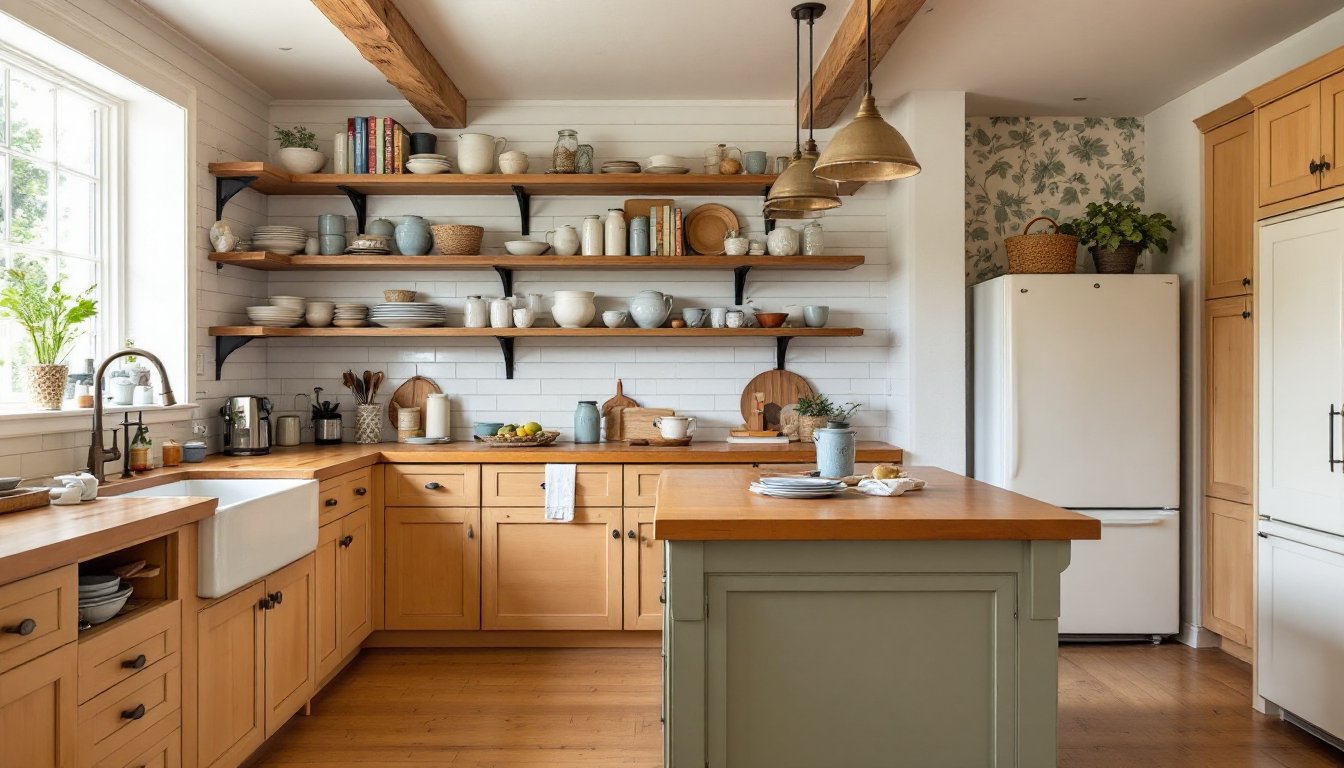
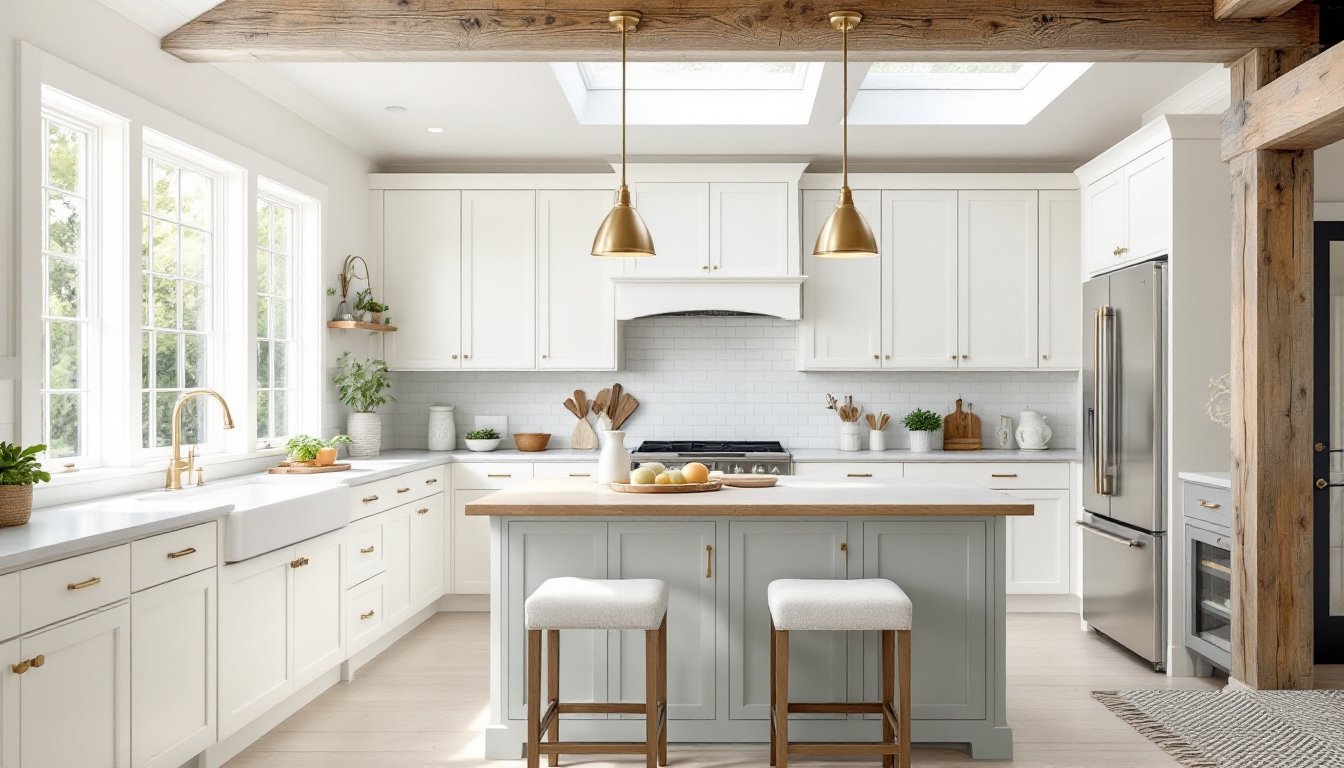
At its core, English kitchen design respects function. Cabinetry is sturdy, often unfitted or semi-fitted (meaning it sits free-standing or semi-attached rather than built-in floor-to-ceiling). Color palettes lean toward soft creams, sage greens, soft blues, and warm whites rather than stark contrasts. Open shelving shares space with enclosed cabinets, allowing practical display without chaos. A farmhouse sink, often deep and apron-fronted, sits naturally in the composition.
What makes English design feel timeless is its restraint. Ornament exists, but it’s proportional and purposeful, a beaded edge on a cupboard door, a recessed panel, perhaps a heritage range cooker as a centerpiece. There’s no overwrought styling. The kitchen works because every element has a reason, whether that’s storage, prep space, cooking capability, or durability over decades. This is design born from necessity, refined through repetition.
Key Characteristics of Traditional English Kitchens
Cabinetry and Storage Solutions
English kitchen cabinetry defaults to recessed-panel or shaker-style doors in painted timber or naturally finished oak and pine. Nominal 3/4-inch solid or veneered plywood is standard: quality manufacturers use dovetail joinery and mortise-and-tenon joints rather than stapled face-frame construction. Doors hang on quality hinges, often ball-bearing or soft-close, that outlast trend cycles.
Storage mixes fitted and unfitted pieces. Lower cabinets sit on a 4-to-6-inch plinth (kick space), topped by a working surface, often 36 inches from the floor. Open shelving, either floating shelves (secured to studs via concealed brackets rated for the load, typically 35–50 pounds per linear foot depending on span) or traditional dresser-style units, display ceramics, glassware, and everyday items. This breaks up visual weight and keeps the kitchen feeling lived-in rather than sterile.
Drawers use full-extension slides to access the rear. Corner storage employs solutions like lazy Susans or angled, pull-out carousels rather than dead zones. A large central island or table, often on a pedestal or simple frame, serves as both prep surface and social anchor.
Materials and Finishes
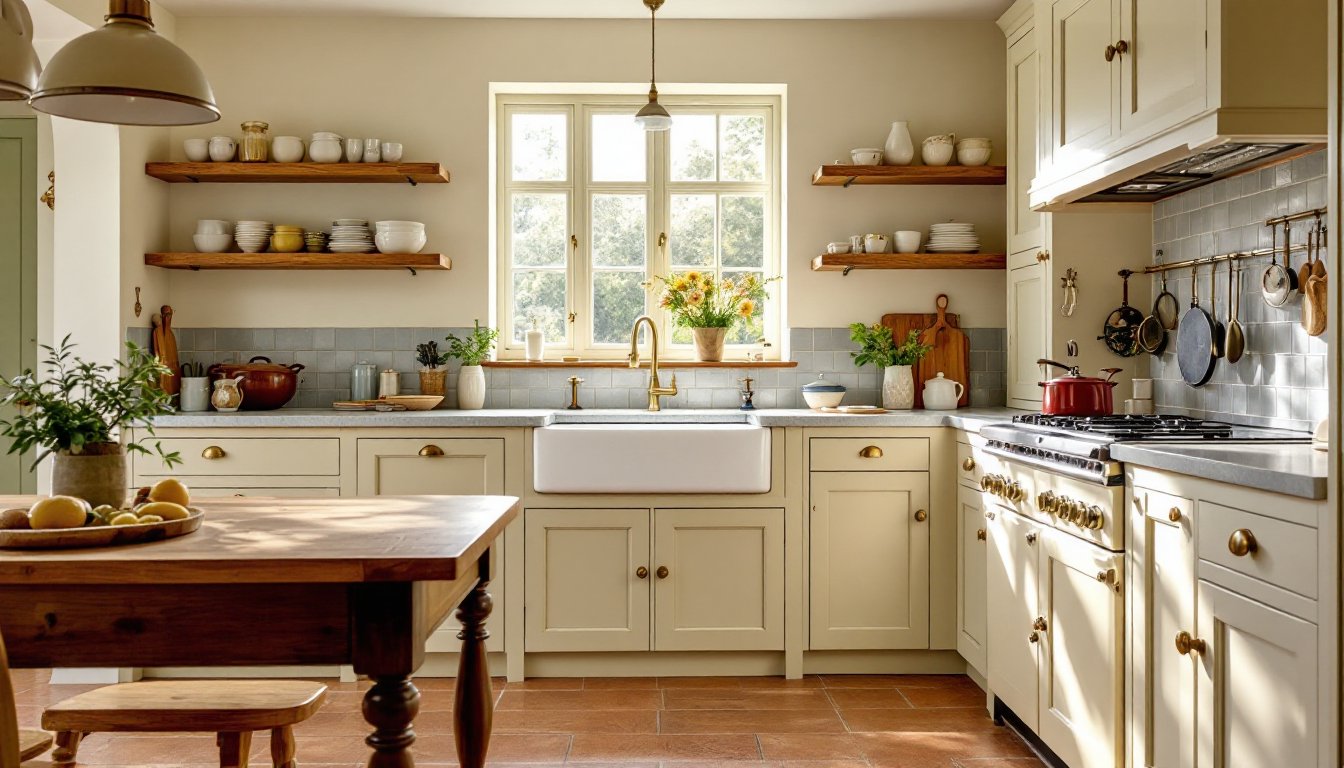
English kitchens favor materials with patina and warmth. Hardwoods, oak, ash, walnut, cherry, are finished with water-based or oil-based polyurethane (satin or matte, never high-gloss). Painted cabinetry uses estate eggshell or satin finishes in historic colors: Farrow & Ball greens (Card Room Green, Mizzle), blues (Parting Blue, De Nimes), and warm neutrals (Cord, Old White). A coat of primer is essential before finish painting: two coats of finish provide durability in a kitchen’s high-traffic, moisture-prone environment.
Countertops lean toward natural materials: marble, slate, stone, or quality laminate mimicking stone or wood. Marble requires sealing and accepts staining gracefully: slate is durable and forgiving. Backsplash tile is typically handmade or handmade-look ceramics in neutral tones, often laid in simple running-bond or geometric patterns. Grout is kept neutral to avoid visual clutter.
Flooring is often reclaimed or new-laid wood (oak or pine), sealed for kitchen moisture), or traditional quarry tiles (terracotta or slate). Wood flooring should be acclimated to the room for 2–3 weeks before installation to avoid cupping or gaps: it requires a vapor barrier and professional installation in a moisture-prone kitchen. Alternatively, tile or stone provides durability and a period-appropriate aesthetic. Hardwood or tile is easier to repair and replace piecemeal than glued-down laminate.
Bringing English Kitchen Style Into Your Home: Practical Steps
Start with a clear-eyed audit of your existing layout. English kitchens work best in spaces with a logical work triangle: sink, stove, and refrigerator positioned to minimize traffic and back-and-forth steps. If your layout is a long, narrow galley, embrace it: English design handles single-wall and L-shaped layouts beautifully.
Step 1: Plan your cabinetry strategy. Decide whether you’re replacing all cabinetry (a multi-week project requiring temporary kitchen facilities), refreshing doors and hardware on existing boxes, or mixing new fitted units with unfitted dressers and open shelving. A mid-range approach, replacing cabinet boxes and doors on the base run, adding open shelving on walls, and keeping or upgrading the sink and counter, costs considerably less than a gut renovation and yields dramatic results. Choose cabinet depth carefully: standard 24-inch depth is comfortable: shallower shelving (18–20 inches) feels airier but sacrifices storage.
Step 2: Select your color and finish. Research heritage paint colors and order samples. Historic greens, soft blues, and creams photograph well but read differently in morning versus afternoon light and depending on your trim and flooring. Paint a large swatch on your cabinet doors and live with it for a week. If repainting existing cabinets, sand to 150–180 grit, apply primer rated for kitchen cabinets (shellac or bonding primer withstands moisture better than latex), and finish with at least two coats of kitchen-grade paint.
Step 3: Upgrade appliances and fixtures thoughtfully. A heritage range cooker (a 90cm or 100cm dual-fuel unit like AGA or Rayburn) is the signature English kitchen statement, but it’s a capital investment and generates considerable heat. Standard ranges work equally well. A deep, single-bowl or double-bowl ceramic or fireclay sink with a chrome or brass tap sits naturally in an English kitchen. Brass or oil-rubbed bronze hardware (cup pulls, bar handles, ring pulls) suits the aesthetic better than stainless steel or chrome.
Research appliance placement before purchasing. A full-size refrigerator may need paneling to blend with cabinetry. Dishwashers are often integrated and hidden. Allow 24–30 inches of clear countertop on either side of the stove for safety and prep space. Check your electrical panel’s capacity if adding a range cooker: dual-fuel units often require 40-amp circuits, and you may need to call a licensed electrician.
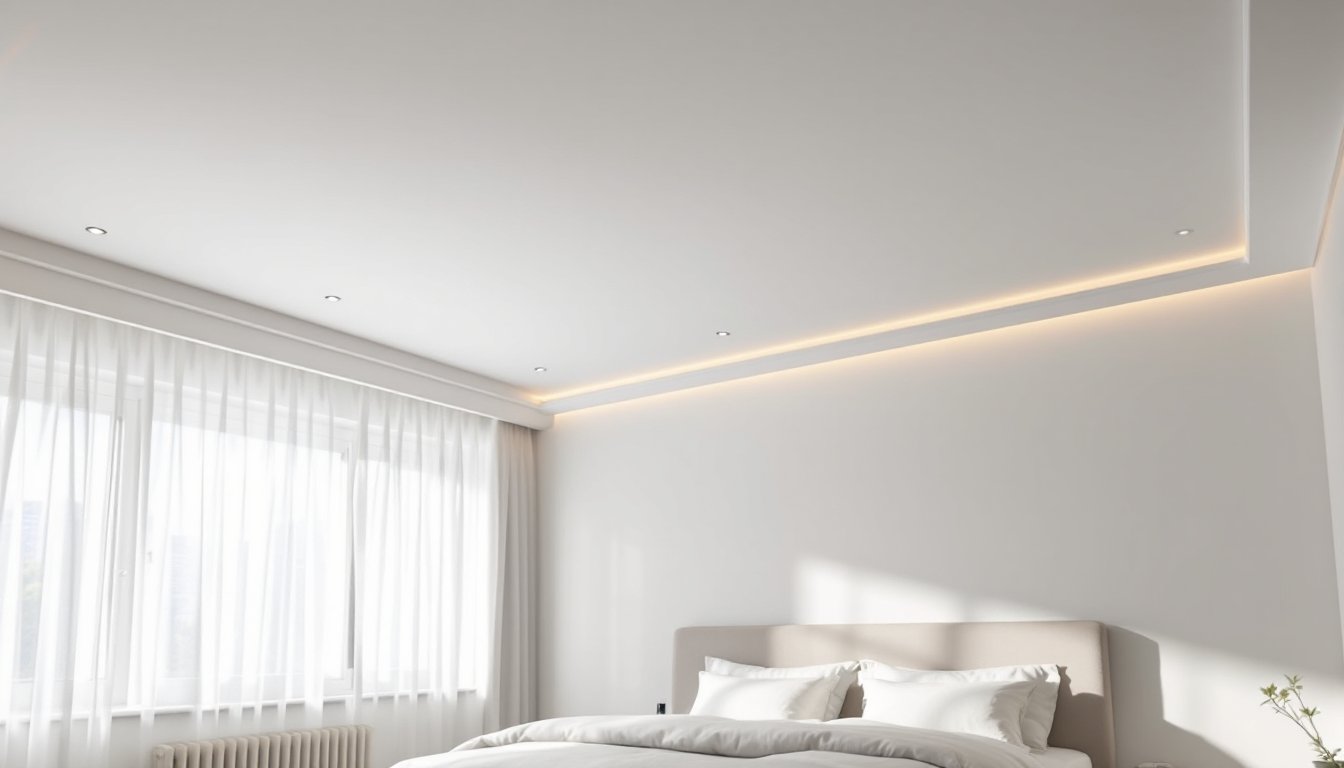
Step 4: Layer in lighting and texture. Pendant lights over an island or sink provide task and ambient light. Flush or semi-flush fixtures work in lower-ceilinged rooms. Open shelving benefits from under-cabinet LED strip lighting (warm color temperature, 2700K) both for visibility and nighttime ambiance. Examples of classic English kitchen kitchens showcasing this layered approach appear in resources like 10 kitchens with classic English country style, which illustrates how thoughtful lighting and material choices elevate the design.
Step 5: Add furnishings and finishing touches. An unfitted dresser, free-standing pantry, or kitchen table becomes both storage and character. A butler’s sink or small prep sink in a corner adds function and charm. Window treatments should be simple: wooden shutters, roman blinds in linen, or a simple rod and lined curtains. Open shelves are best styled with a mix of everyday items and a few beautiful pieces, stoneware, glassware, vintage tins, arranged without fussiness. Overdecorating defeats the purpose: English kitchens are for cooking and living, not displaying a curated collection.
Step 6: Don’t skip the details. Proper grout in backsplash tile (typically 1/4-inch joints, sealed after curing) prevents staining and water infiltration. Caulk where cabinetry meets walls and counters to prevent moisture intrusion. Install a proper ventilation system, either a range hood vented outdoors (preferred: typically requires 6-inch ducting and professional installation) or a recirculating filter. Poor ventilation causes cabinet finish degradation and odor buildup.
Consider enlisting a contractor for structural changes, moving plumbing or gas lines, upgrading electrical circuits, or removing walls. These require permits in most jurisdictions and, if done incorrectly, create expensive problems. A licensed electrician and plumber cost money upfront but save headaches and ensure code compliance. For sources on kitchen organization and design strategy, The Kitchn offers practical guidance on maximizing small spaces and selecting finishes that age well.
Conclusion
English kitchen design endures because it prioritizes durability, honest materials, and functional beauty over trend. By focusing on solid cabinetry, appropriate finishes, thoughtful layout, and a restrained aesthetic, you can build or renovate a kitchen that feels both timeless and deeply personal, one that works as hard as it looks good. Start small if needed, plan carefully, and respect the craftsmanship required. A kitchen built this way won’t date: it’ll only improve with use.