Interior design trends shape how people decorate and organize their living spaces. These trends reflect cultural shifts, technological advances, and changing lifestyles. Understanding what is interior design trends helps homeowners make informed decisions about their spaces. Whether someone plans a full renovation or a simple refresh, knowing current trends provides valuable direction. This guide explores interior design trends, their origins, and practical ways to apply them at home.
Table of Contents
ToggleKey Takeaways
- Interior design trends reflect cultural shifts, technology, and lifestyle changes, helping homeowners make informed decorating decisions.
- Top 2025 interior design trends include warm minimalism, curved furniture, biophilic design, and bold color blocking.
- Trends emerge from industry events, social media influence, fashion crossovers, and broader cultural movements.
- Start small by testing interior design trends with accessories before committing to major furniture purchases.
- Blend trendy accents with timeless pieces to keep your space current without sacrificing long-term appeal.
- Always prioritize personal taste and lifestyle needs over following every new trend.
Defining Interior Design Trends
Interior design trends are popular styles, colors, materials, and layouts that gain widespread adoption during a specific period. They represent collective preferences in how people choose to decorate homes, offices, and public spaces.
These trends differ from timeless design principles. While classic elements like balance and proportion remain constant, interior design trends shift every few years. A trend might last two to five years before evolving into something new.
Several factors define interior design trends:
- Color palettes: Specific hues that dominate home décor choices
- Materials: Popular textures like natural wood, marble, or terrazzo
- Furniture styles: Shapes and silhouettes that appear across product lines
- Spatial arrangements: How rooms are organized and used
- Decorative accents: Art, lighting, and accessories that complement the overall look
Interior design trends also reflect broader social movements. The rise of remote work, for example, sparked trends in home office design. Environmental awareness pushed sustainable materials into the spotlight. Understanding interior design trends means recognizing these connections between lifestyle and aesthetics.
Trends serve a practical purpose too. They help manufacturers, retailers, and designers anticipate consumer demand. For homeowners, following interior design trends offers a starting point for decorating decisions.
Top Interior Design Trends for 2025
Interior design trends for 2025 emphasize comfort, sustainability, and personal expression. Here are the styles shaping homes this year.
Warm Minimalism
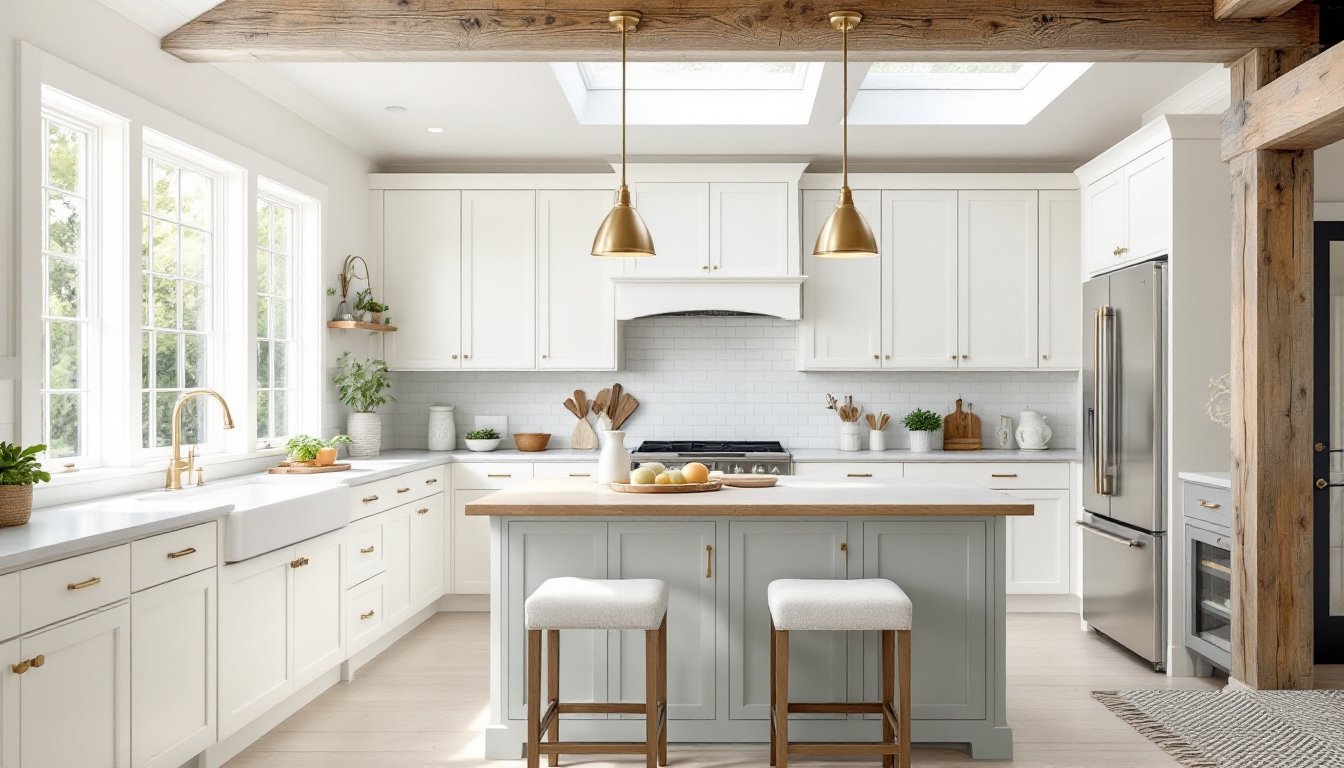
Cold, stark minimalism has given way to warmer approaches. This interior design trend combines clean lines with rich textures and earthy tones. Think cream-colored walls, natural oak furniture, and layered textiles. The goal is simplicity without sacrificing coziness.
Curved Furniture
Angular pieces are stepping aside for softer shapes. Rounded sofas, arched doorways, and circular mirrors dominate showrooms. This interior design trend creates visual flow and adds an organic feel to rooms.
Biophilic Design
Connecting indoor spaces with nature remains a strong interior design trend. Large plants, natural materials, and earthy color schemes bring the outdoors inside. Some homeowners add living walls or indoor water features to strengthen this connection.
Bold Color Blocking
Neutral palettes aren’t disappearing, but bold colors are making statements. Deep greens, terracotta, and rich blues appear on accent walls and furniture. This interior design trend encourages personal expression through color.
Vintage and Secondhand Pieces
Sustainability drives this interior design trend. Mixing vintage finds with modern pieces creates unique, eco-friendly spaces. Thrift stores and estate sales have become treasure troves for design-conscious homeowners.
Multifunctional Spaces
Homes now serve many purposes. A guest room doubles as an office. A dining area becomes a workspace. Interior design trends in 2025 address this need with convertible furniture and clever storage solutions.
Artisan and Handcrafted Items
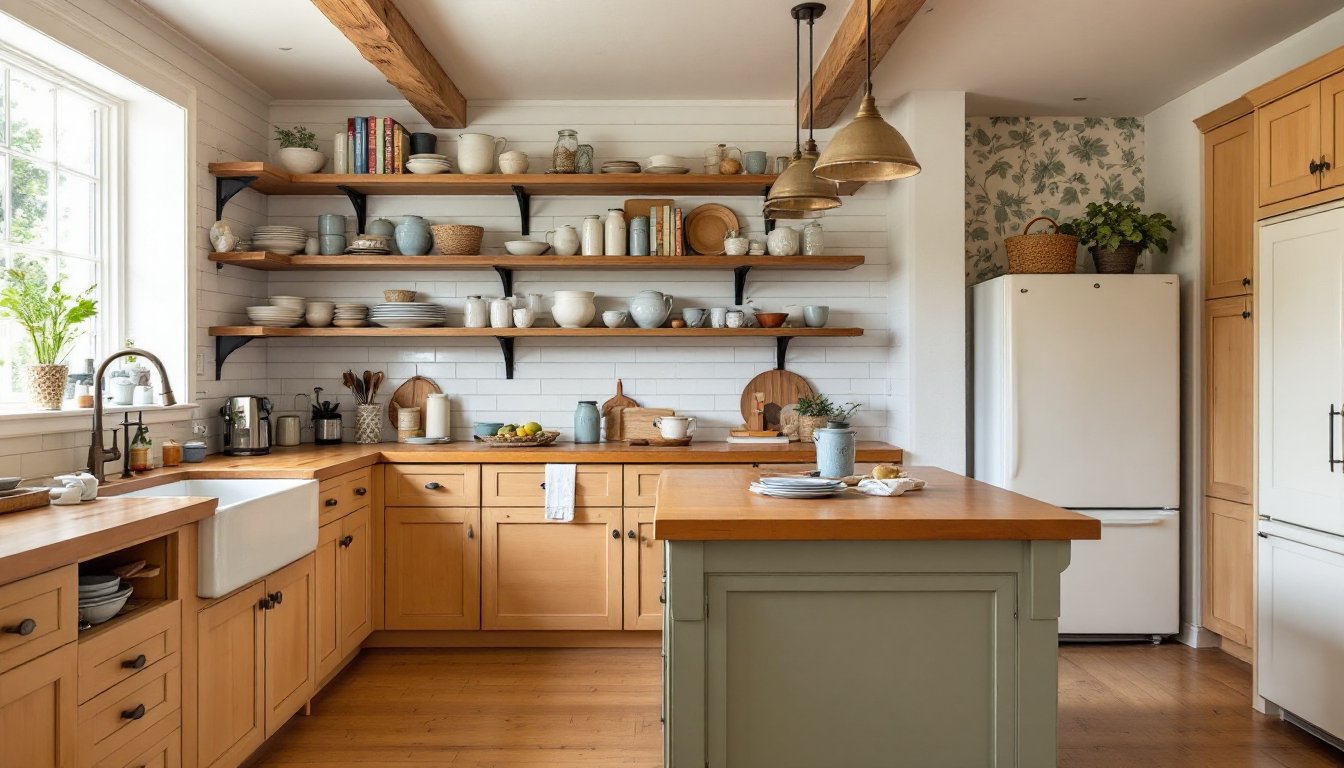
Mass-produced décor is losing ground to handmade pieces. Pottery, woven textiles, and custom woodwork add character. This interior design trend values craftsmanship and uniqueness.
How Interior Design Trends Emerge and Spread
Interior design trends don’t appear randomly. They follow predictable patterns influenced by multiple sources.
Industry Events and Trade Shows
Major events like Milan Design Week and High Point Market set the stage for new interior design trends. Designers showcase innovative pieces, and industry professionals take note. What appears at these shows often hits retail stores within one to two years.
Social Media Influence
Platforms like Instagram, Pinterest, and TikTok accelerate how interior design trends spread. A single viral post can popularize a color or style overnight. Influencers and designers share their spaces, inspiring millions of followers.
Fashion Industry Crossover
Interior design trends often mirror fashion runways. Colors and patterns popular in clothing frequently appear in home décor months later. Pantone’s Color of the Year influences both industries simultaneously.
Cultural and Economic Factors
Broader societal changes shape interior design trends. Economic uncertainty might push people toward affordable, practical choices. Cultural movements around sustainability or wellness directly impact design preferences.
Technology Advances
New materials and manufacturing techniques enable fresh interior design trends. Smart home integration, for instance, influences furniture design and room layouts. LED lighting technology expanded possibilities for ambient lighting design.
Designer and Brand Leadership
Prominent designers and established brands often launch interior design trends. When a respected figure introduces a new concept, the industry pays attention. These innovations trickle down to mainstream retailers over time.
Incorporating Trends Into Your Home
Adopting interior design trends requires balance. Chasing every new style leads to an inconsistent space and wasted money. Here’s how to approach trends thoughtfully.
Start Small
Test interior design trends with accessories before committing to major purchases. Swap throw pillows, add a trendy lamp, or try new artwork. These smaller investments let homeowners experiment without significant risk.
Blend Trends with Timeless Pieces
Pair trend-forward accents with classic furniture. A curved, trendy coffee table works well with a traditional sofa. This approach keeps spaces current while maintaining long-term appeal.
Consider Your Lifestyle
Not every interior design trend suits every home. Families with young children might skip all-white interiors. Small apartment dwellers may need to prioritize functionality over statement pieces. Choose trends that match daily life.
Set a Budget
Interior design trends can tempt people into overspending. Decide how much to invest in trendy items versus timeless staples. A good rule: spend more on permanent fixtures and less on easily-changed accessories.
Trust Personal Taste
Interior design trends offer guidance, not rules. If a popular style doesn’t resonate, skip it. The best homes reflect the personalities of the people living in them. Use trends as inspiration rather than instruction.
Plan for Longevity
Some interior design trends have staying power, while others fade quickly. Natural materials and neutral foundations typically last longer than neon accents or novelty patterns. Invest accordingly.