Interior design trends strategies help designers and homeowners create spaces that feel fresh without becoming outdated within months. The design world moves fast. What felt cutting-edge in 2024 might already look tired by mid-2026. But chasing every trend leads to expensive mistakes and rooms that lack cohesion.
The smartest approach combines awareness of emerging styles with a clear understanding of what actually works long-term. This article breaks down how to identify, evaluate, and carry out interior design trends strategically. Readers will learn practical methods for staying current while building spaces that hold their appeal for years.
Table of Contents
ToggleKey Takeaways
- Effective interior design trends strategies follow an 80/20 rule—invest in timeless foundations while using trendy accessories for affordable updates.
- Understanding a trend’s lifecycle helps you avoid costly mistakes by entering at the right phase rather than during saturation.
- Cross-reference trade shows, social media, fashion runways, and cultural shifts to identify genuine design movements rather than short-lived fads.
- Focus trend-forward choices on easily swappable items like accent pillows, artwork, and decorative objects to keep spaces fresh without full renovations.
- For 2026, watch for warm earth tones, curved furniture, handcrafted textures, and biophilic elements bringing nature indoors.
- Always test before committing—order fabric swatches, sample paint colors, and live with mood boards to avoid regrettable design decisions.
Understanding the Lifecycle of Design Trends
Every interior design trend follows a predictable pattern. First comes the introduction phase, where a style appears in high-end showrooms, designer portfolios, and architecture magazines. Early adopters embrace it. Then comes mainstream adoption, Pinterest boards fill up, big-box retailers stock affordable versions, and the trend becomes visible everywhere.
After saturation comes decline. People grow tired of seeing the same look. Finally, the trend either fades completely or evolves into something new.
Interior design trends strategies require understanding where a trend sits in this cycle. Jumping in during the introduction phase means higher costs and more risk. Waiting until mainstream adoption offers more accessible options but less differentiation. Entering during saturation? That’s usually a mistake.
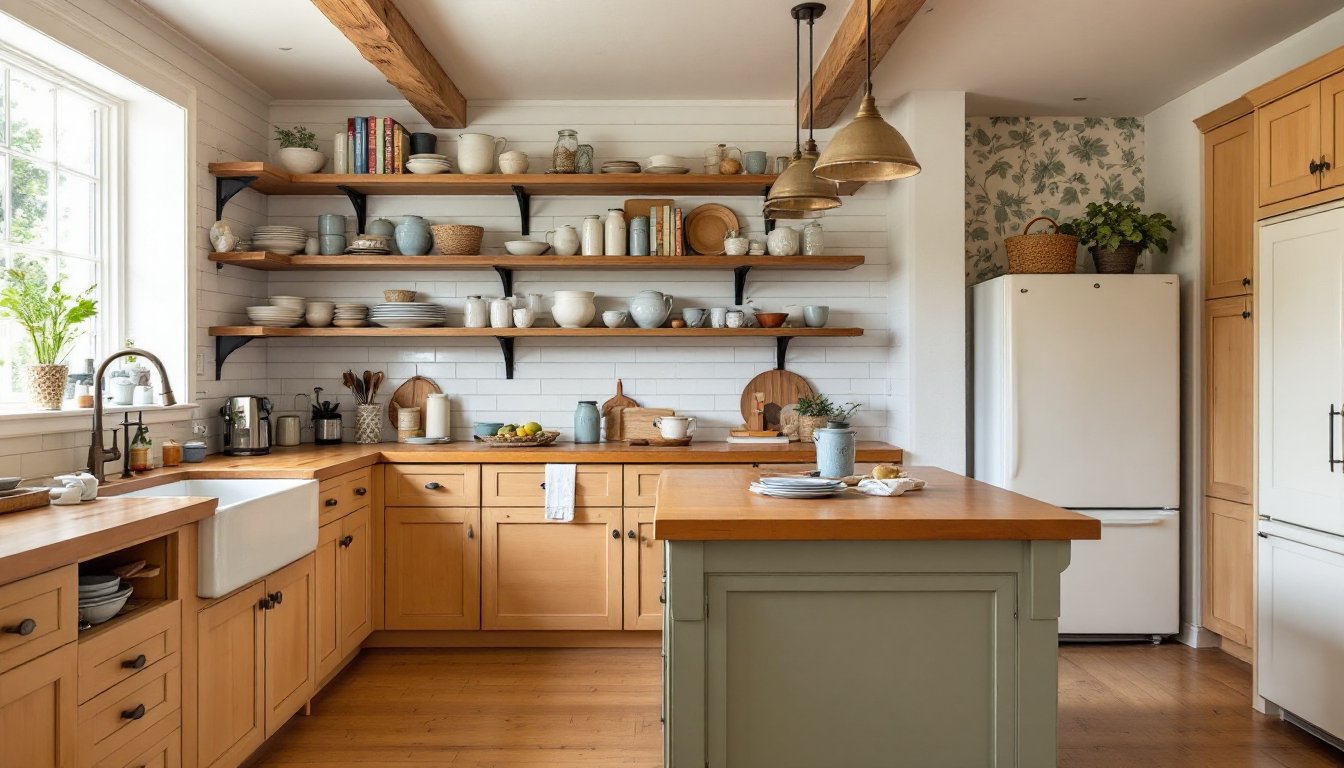
Some trends move through this cycle in 18 months. Others take a decade. Minimalism, for example, has remained relevant since the early 2010s because it connects to deeper lifestyle values rather than pure aesthetics. Farmhouse chic, by contrast, peaked around 2018 and now feels dated in many contexts.
The key question: does this trend reflect a genuine shift in how people want to live, or is it primarily a visual novelty? Interior design trends strategies should prioritize the former.
Research Methods for Identifying Emerging Trends
Strong interior design trends strategies depend on quality research. Here’s where professionals and serious enthusiasts should look:
Trade Shows and Industry Events
Milan Design Week, Maison & Objet in Paris, and the International Contemporary Furniture Fair (ICFF) in New York showcase what manufacturers and designers consider the next big thing. These events often preview trends 12-18 months before they hit mainstream retail.
Social Media Pattern Analysis
Instagram and Pinterest remain valuable for trend spotting, but TikTok has become increasingly influential. Watch for recurring themes across multiple creators rather than isolated viral moments. When different designers start incorporating similar elements independently, that signals a genuine movement.
Runway and Fashion Week Coverage
Fashion trends often predict interior design directions. Color palettes, textures, and even silhouettes translate from clothing to home decor within 1-2 years. The earthy tones dominating fashion in 2024-2025 are already appearing in furniture collections for 2026.
Material and Manufacturing Developments
New production techniques create new design possibilities. The rise of sustainable materials, 3D-printed components, and bio-based textiles is driving aesthetic shifts. Following industry publications like Dezeen, Architectural Digest, and Interior Design Magazine provides early visibility into these developments.
Global Cultural Shifts
Interior design trends strategies should account for broader societal changes. The post-pandemic emphasis on home offices continues shaping residential design. Climate awareness drives demand for sustainable materials. Economic uncertainty influences preferences for investment pieces over disposable decor.
Cross-referencing multiple sources reduces the risk of chasing short-lived fads. When a trend appears across trade shows, social media, and cultural analysis simultaneously, it’s worth serious consideration.
Balancing Timeless Design With Current Trends
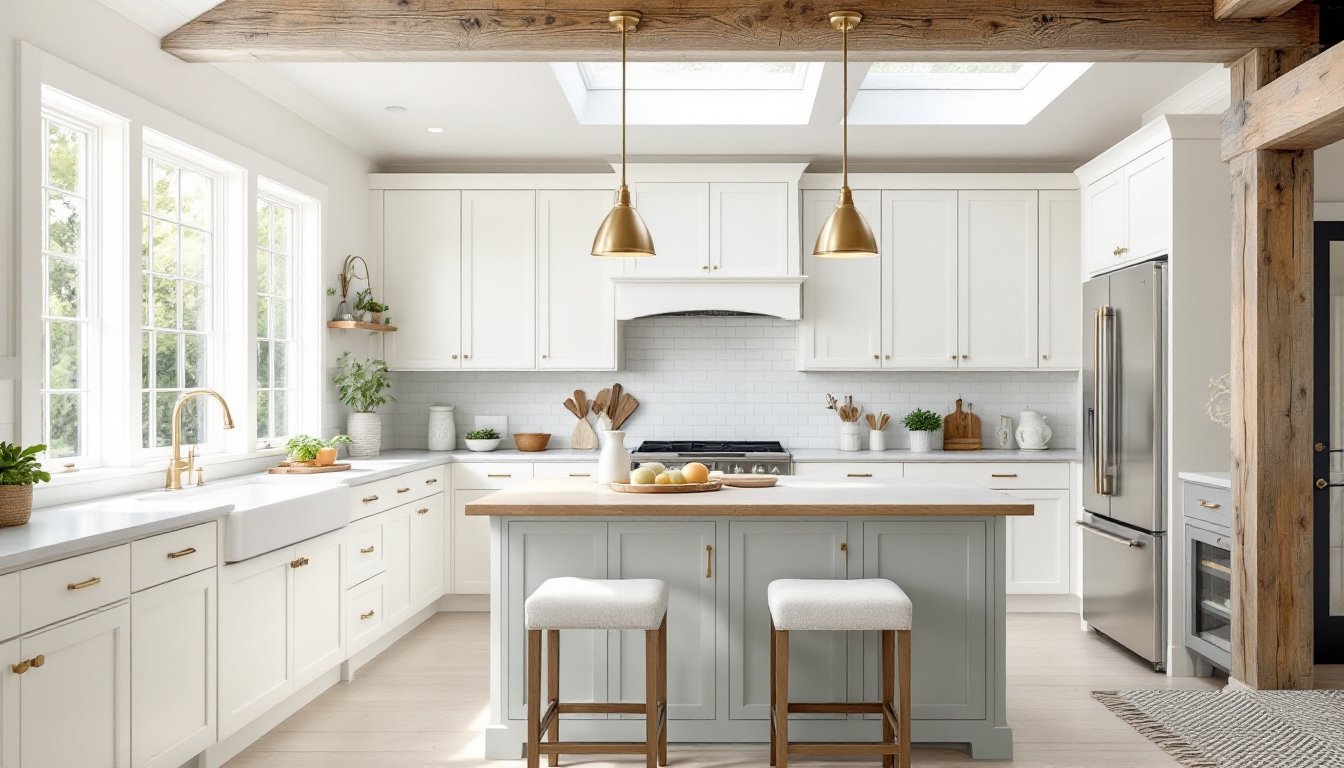
The best interior design trends strategies follow an 80/20 principle. Roughly 80% of a space should consist of timeless, quality elements. The remaining 20% can embrace current trends.
Timeless elements include:
- Neutral wall colors in warm or cool undertones that suit the space
- Quality wood furniture with clean lines
- Well-proportioned lighting fixtures
- Classic textiles like linen, wool, and cotton
- Architectural details that complement the home’s era
Trend-forward elements work best in:
- Accent pillows and throws
- Artwork and wall decor
- Small furniture pieces like side tables or accent chairs
- Paint colors on feature walls
- Decorative objects and styling pieces
This approach allows rooms to feel current without requiring complete overhauls every few years. Swapping out trendy accessories costs far less than replacing a sofa or repainting an entire home.
Interior design trends strategies should also consider the specific space. A rental apartment benefits from more trend-focused choices since changes happen frequently anyway. A forever home warrants greater investment in timeless foundations.
Another consideration: personal connection beats trend alignment. A vintage piece that holds meaning will always outperform a trendy item chosen purely for its popularity. Authentic spaces tell stories. Trend-chasing spaces often feel hollow.
Implementing Trends Strategically in Your Space
Effective interior design trends strategies require a clear implementation plan. Here’s a practical framework:
Start With Assessment
Evaluate the current space honestly. What works well? What feels dated? Identify specific areas where updates would have the greatest impact. A tired living room might need attention while a recently renovated bathroom can wait.
Set a Realistic Budget
Trend implementation costs vary dramatically. A new paint color costs under $100 for a single room. A statement light fixture might run $500-2,000. A furniture update could require several thousand dollars. Define spending limits before falling in love with specific pieces.
Prioritize High-Impact Changes
Some updates transform a space more effectively than others. Lighting often delivers the biggest return on investment. Wall treatments, paint, wallpaper, or texture, come next. Furniture arrangement changes cost nothing but can dramatically shift how a room feels.
Test Before Committing
Interior design trends strategies benefit from experimentation. Order fabric swatches before purchasing upholstery. Buy sample paint pots and test colors at different times of day. Live with a mood board for a few weeks before finalizing decisions.
Execute in Phases
Rushing leads to regrettable choices. Spread updates across several months or even a year. This approach allows time to find the right pieces rather than settling for whatever’s immediately available. It also prevents budget blowouts.
For 2026 specifically, watch these emerging directions: warm earth tones replacing cool grays, curved furniture softening angular spaces, handcrafted textures countering mass-produced uniformity, and biophilic elements bringing nature indoors through plants, natural materials, and organic shapes.