A cramped kitchen doesn’t have to mean cramped function. The difference between a kitchen that feels tight and one that feels smart comes down to layout. Small kitchen design layouts aren’t just about fitting appliances into minimal square footage, they’re about creating a workspace that flows efficiently, feels comfortable to work in, and doesn’t waste a single inch. Whether you’re renovating a galley-style space or starting from scratch in a compact apartment, understanding your layout options is the first step toward a kitchen that actually works for how you cook and live.
Table of Contents
ToggleKey Takeaways
- Small kitchen design layouts work best when they respect the work triangle principle by keeping your sink, stove, and refrigerator within logical flow, even as the triangle shrinks in compact spaces.
- Galley kitchens maximize efficiency for single cooks with parallel counters on opposing walls, but become congested with multiple users or through-traffic.
- L-shaped kitchens open up sight lines and corner real estate in small spaces, allowing two people to work simultaneously without constant conflict while maximizing functionality.
- Single-wall kitchens suit minimal cooking needs and free up the rest of your space for living areas—prioritize vertical storage and flexible counter solutions like fold-out tables or rolling carts.
- U-shaped kitchens provide the most storage and counter space for serious cooks but require careful spacing and design to avoid feeling claustrophobic in tight footprints.
- Light colors, good task lighting, vertical storage, and smart hardware like soft-close drawers multiply functionality and make small kitchens feel more spacious and intentional.
Why Layout Matters in Small Kitchens
Layout is the skeleton of any kitchen, but in tight spaces it becomes the difference between functional and frustrating. A poorly configured small kitchen wastes steps, creates bottlenecks, and leaves you feeling cramped even when you’ve got the right appliances. Good layout respects what kitchen pros call the “work triangle”, the imaginary line connecting your sink, stove, and refrigerator. In small kitchens, this triangle shrinks, but the principle stays true: these three zones should flow logically so you’re not zigzagging around obstacles.
Beyond efficiency, layout affects how the space feels. An L-shaped kitchen with open sightlines can feel larger than a cramped galley, even if the square footage is identical. Choosing the right layout for your space, and your cooking style, means fewer headaches during daily use and better resale value down the road. It’s worth taking time upfront to understand which layout fits your kitchen’s footprint and your family’s needs.
The Galley Kitchen Layout
A galley kitchen runs parallel counters on two opposing walls, creating a narrow corridor where you work. Think of a ship’s galley, compact and efficient. This layout is common in apartments, older homes, and tight townhouses, and when done right, it’s genuinely excellent for workflow.
The galley’s strength is efficiency. Your sink, stove, and fridge are within arm’s reach, and you rarely walk more than a few feet from one station to another. One person can work comfortably without interference. The downside: if two cooks try to work here, you’ll collide. Traffic flow also matters, if the galley becomes a hallway to another room, congestion happens fast.
To make a galley work, keep countertops and appliances aligned on each wall. Use wall-mounted cabinets for storage and light fixtures that don’t hang too low (you don’t want bumping your head). A single center island usually won’t fit, but a thin rolling cart or narrow counter extension on one wall can add prep space. Keep sight lines clear and consider a light paint color or good task lighting to prevent the space from feeling like a tunnel.
The L-Shaped Kitchen Layout
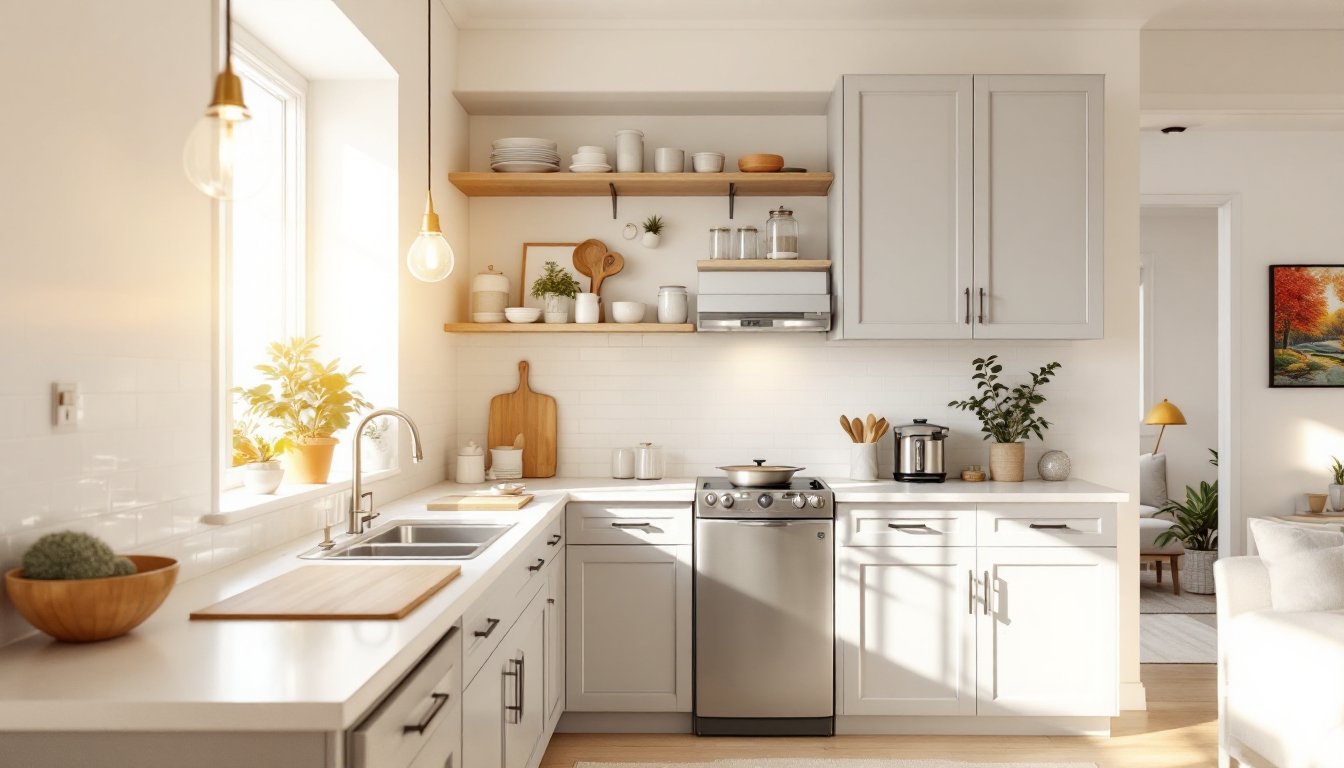
An L-shaped kitchen bends counters and appliances into an L, usually anchoring one wall with the sink and the other with the stove and fridge. This layout works beautifully in small spaces because it maximizes corner real estate and creates a natural work flow without eating up floor space.
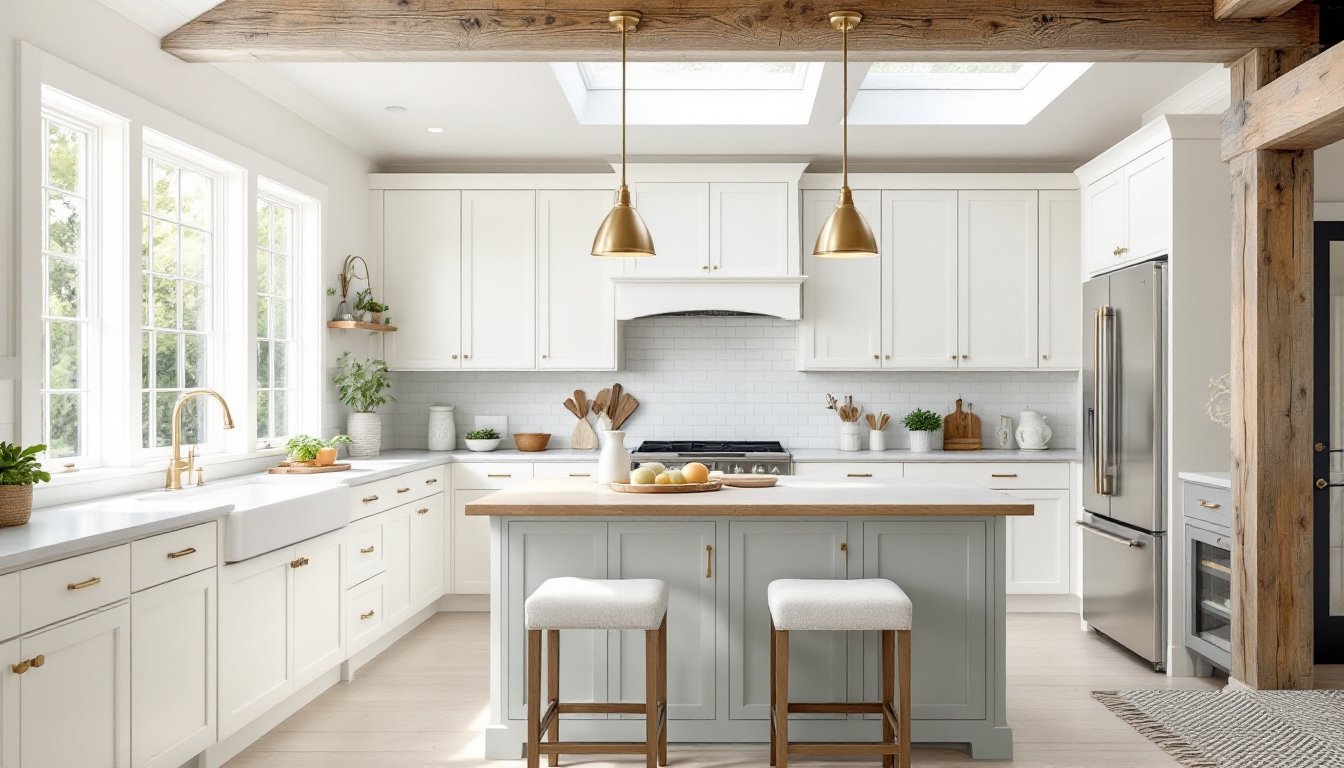
The L-shape opens up sight lines compared to a galley, making the kitchen feel less enclosed. You’ve got a corner that can hold a small island, breakfast bar, or stool seating. Two people can work without constant conflict, one uses the short leg, the other uses the long leg. The corner itself demands smart cabinetry: lazy Susan turntables, pull-out shelves, and corner drawers help you actually use that otherwise dead zone.
Resource guides like The Kitchn highlight how L-shaped kitchens adapt well to mixed-use spaces where the kitchen flows into a dining or living area. Place your refrigerator and most-used appliances on the longer wall, and consider anchoring the corner with a cooktop or prep sink if your layout allows. Pendant lights over the corner or a small island (if it fits) define the space and add functionality without blocking movement.
The Single-Wall Kitchen Layout
A single-wall kitchen runs all cabinets, counters, and appliances along one wall. It’s the most compact layout and fits into narrow spaces where a second wall of cabinetry just isn’t possible. You’ll find this in studios, boat homes, RVs, and very small apartments.
The obvious limitation: everything is crammed into one long line, so prep space is limited and the work triangle collapses into a straight line. You’re walking back and forth more than with an L or galley. But, the single-wall layout maximizes the rest of the room for other uses, dining, living, or circulation.
To make single-wall work, prioritize vertical storage. Go tall with wall cabinets, use open shelving strategically, and invest in pull-out organizers and drawer dividers so every inch counts. Keep the counter linear and uncluttered. If possible, add a fold-out table or shallow island on wheels that tucks away when not in use. Good task lighting over the counter is essential since you’re working with less overall light spread. This layout suits people who don’t cook elaborate meals or who spend minimal time in the kitchen, it’s honest about its constraints.
The U-Shaped Kitchen Layout
A U-shaped kitchen wraps cabinets and counters around three walls, creating an enclosed work space that’s highly efficient. It’s less common in tiny kitchens but works when you’ve got a deeper room or an alcove to work with. This layout gives you the most counter and storage space in a compact footprint.
The U-shape is ideal for serious home cooks because everything is within reach and storage is plentiful. Two people can work simultaneously without stepping on each other. The downside: if the kitchen is too narrow between walls, it feels claustrophobic. If a door or walkway interrupts one leg, functionality drops. Building codes and safe traffic patterns matter here, aim for at least 42 inches of clearance between opposing counters for comfortable movement.
Designing a U-shaped small kitchen requires careful placement: put your sink at the base of the U for optimal plumbing access, and position the fridge and stove on the legs so you’re not constantly reaching across corners. Use corner solutions like swing-out shelves or carousel organizers. Consider which wall (if any) might benefit from an open pass-through instead of full cabinetry, especially if the kitchen connects to living spaces. This layout is harder to make feel open, so light colors, window access, and good lighting help counter the enclosed feeling.
Design Tips to Enhance Your Small Kitchen
Whichever layout you choose, a few proven tricks make small kitchens work harder. Vertical storage is your friend: go high with wall cabinets and use corner shelves or magnetic strips for knives and spice racks. This draws the eye upward and makes the space feel taller.
Counter space is precious. Keep appliances to the essentials and store occasional-use gadgets elsewhere. A thin cutting board that fits over the sink, a rolling cart, or a fold-down shelf gives you flex prep space. Color and light matter enormously. Pale cabinets and light walls reflect light and create breathing room. Good task lighting over work surfaces prevents dark, shadowy corners that feel smaller.
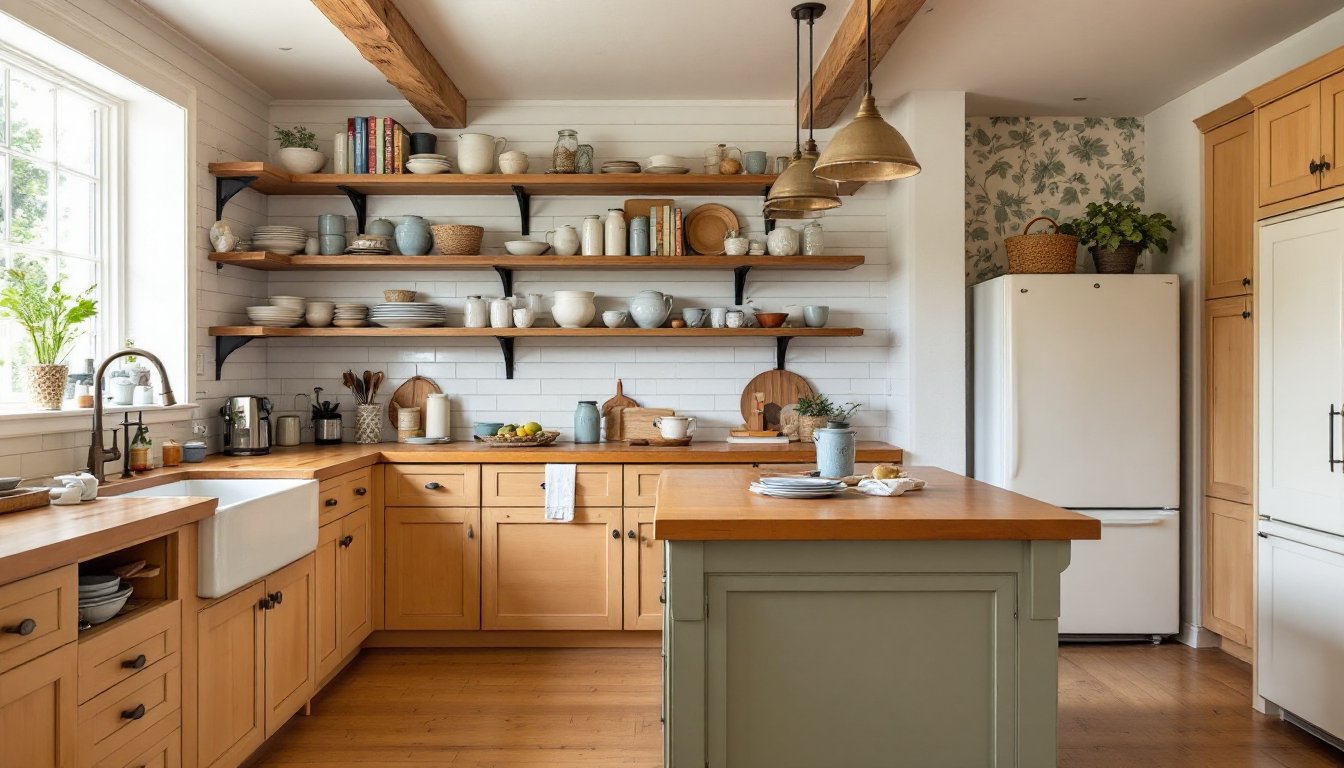
Materials and finishes should be practical. Matte or semi-gloss paint hides fingerprints better than glossy finishes in a high-touch zone. Durable, wipeable surfaces on counters and backsplashes save time. Open shelving works in small kitchens if done deliberately, display a few nice serving pieces or glasses, but keep the majority of items in closed cabinets to avoid visual clutter.
Design inspiration from Remodelista’s guide to small kitchens emphasizes investing in smart hardware: soft-close drawers, pull-out racks, and deep drawers that store more than traditional cupboards. Plan for traffic flow too. If your kitchen sits between living and bedroom areas, position work zones to face away from the thoroughfare so users don’t feel exposed. Finally, Apartment Therapy often showcases how small kitchens benefit from cohesive, intentional styling, everything from hardware to lighting fixtures working together rather than fighting for attention.
Conclusion
Small kitchen design doesn’t require compromise, it demands intention. By choosing a layout that fits your space and cooking style, then applying storage and design tricks that multiply functionality, you’ll build a kitchen that works as hard as you do. Start by measuring your footprint, identifying traffic patterns, and honestly assessing how you use your kitchen. Then pick the layout that matches those realities. The result won’t just save space, it’ll save you time and frustration every single day.