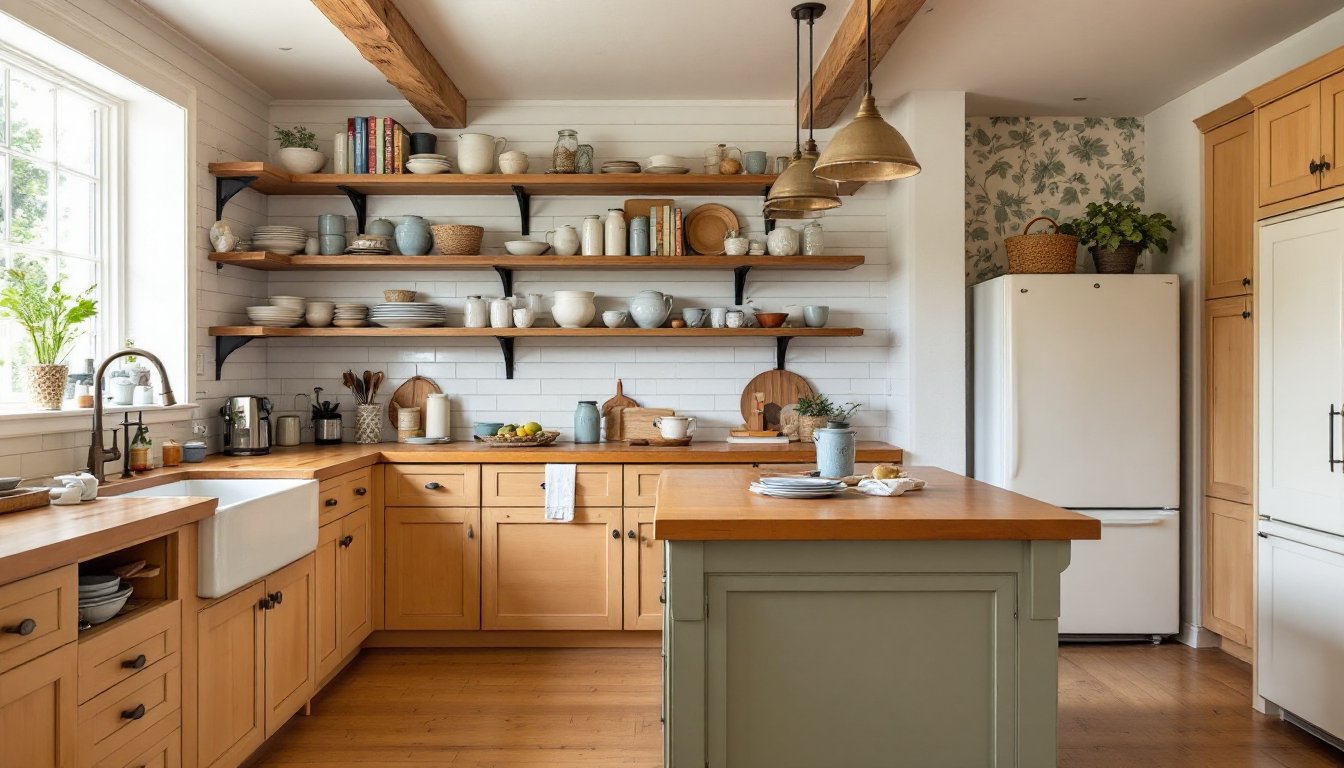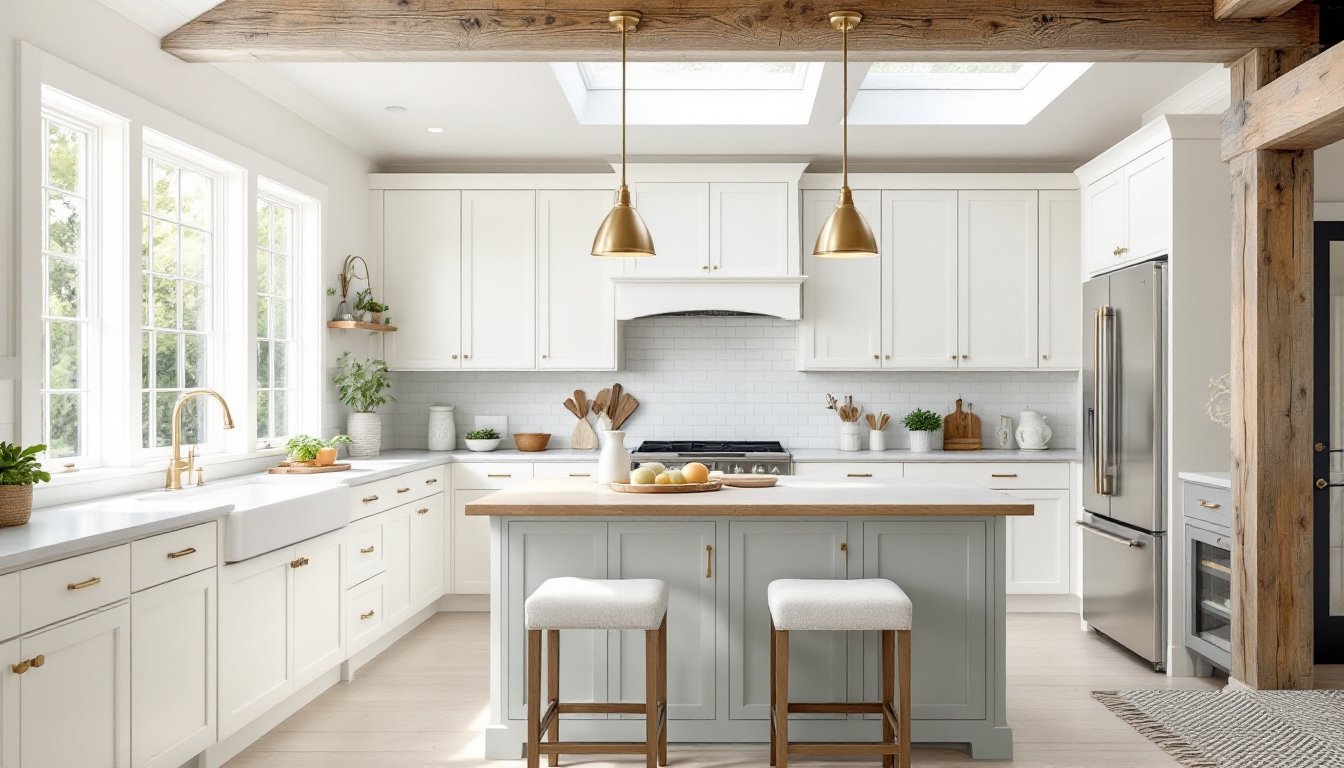
Kitchen cabinets are the anchor of any kitchen remodel. They consume roughly 30% of a kitchen renovation budget and set the visual tone for the entire space. Whether you’re doing a full overhaul or refreshing dated doors, understanding simple cabinet design principles saves you money, headaches, and regret down the line. This guide walks you through the fundamentals of clean, timeless cabinet design, what actually works in a real kitchen, not just what photographs well.
Table of Contents
ToggleKey Takeaways
- Simple kitchen cabinet design prioritizes clean lines, flat surfaces, and honest materials—avoiding unnecessary ornamentation that collects dust and dates quickly.
- Shaker and flat-panel cabinets are timeless styles that work across traditional and modern aesthetics, with flat-panel offering easier cleaning and slab cabinets creating a more spacious feel in smaller kitchens.
- Painting existing cabinet doors and replacing hardware can modernize your kitchen for a fraction of the cost of full cabinet replacement when the underlying structure is sound.
- Neutral cabinet colors in white, soft gray, or natural wood tones prevent visual clutter and work harmoniously with various backsplash, tile, and countertop choices.
- Proper prep work—including sanding, priming, and two coats of cabinet-grade paint—ensures durability and professional results when refreshing cabinet doors.
- Interior cabinet organization with pull-out drawers and shelf dividers maximizes functionality and keeps countertops clear, allowing your simple kitchen cabinet design to maintain its clean aesthetic.
Why Kitchen Cabinet Design Matters
Your cabinets aren’t just storage. They’re the largest visual element in your kitchen, occupying wall and base space that dominates sightlines. A well-designed cabinet layout makes cooking efficient: you reach, turn, and move without wasted steps. Poor design creates bottlenecks, doors that swing into traffic, corners that swallow Tupperware, shelves too deep to access anything at the back.
Beyond function, cabinet style signals intention. Outdated hardware, thick frames, and heavy stain finishes date a kitchen faster than almost anything else. Conversely, simple, clean-lined cabinets stay current for decades. They’re the backdrop that lets you change decor without replacing the bones.
Simple doesn’t mean cheap or boring. It means proportionate, functional, and honest about materials. A well-made simple cabinet outlasts a complex one because there are fewer joints to fail and less ornamentation to crack.
Key Principles of Simple Cabinet Design
Minimalism and Clean Lines
Simple cabinetry prioritizes flat surfaces, straight edges, and uncluttered door fronts. Ornate crown molding, applied trim, and decorative corbels add cost and collect dust, avoid them in an active kitchen. A recessed handle or a simple bar pull works harder than fussy knobs because your hand naturally finds it and it reads “modern” across the room.
Flat-panel or slab doors are the workhorse of contemporary design. They’re easier to manufacture, less expensive than raised-panel doors, and they clean faster. A single vertical seam or trim detail can add visual interest without cluttering the aesthetic.
Layout clarity matters. Base cabinets typically run 34–36 inches tall (before countertop), and uppers float 18 inches above the counter. Doors should align visually, staggered door heights or mismatched widths read as an accident, not design. Even spacing between cabinet faces, drawers, and appliances creates rhythm the eye trusts.
Color and Material Selection
Neutral cabinet colors, white, soft gray, natural wood tones, don’t fight with tile, backsplash, or countertop colors. They also photograph well under different lighting conditions, which matters if you ever resell. If you want color, choose one that relates to your overall palette and test it in your actual space at different times of day. Painted cabinet colors fade or chip over time: quality primer and paint matter.
Material honesty is key: real wood is warmer and more forgiving than veneer, but veneer over plywood is cheaper and more stable across humidity swings. Solid wood doors can warp: veneer stays flat. Neither is “wrong”, know the trade-off. If using stain, a mid-tone obscures dust and watermarks better than pale bleached finishes.
Hardware finishes should repeat elsewhere in the kitchen, sink faucet, lighting, or appliance handles. Mixing three different metals (brass, chrome, matte black) feels scattered: two metals in one space feel intentional.
Popular Simple Cabinet Styles
Shaker and Flat-Panel Cabinets
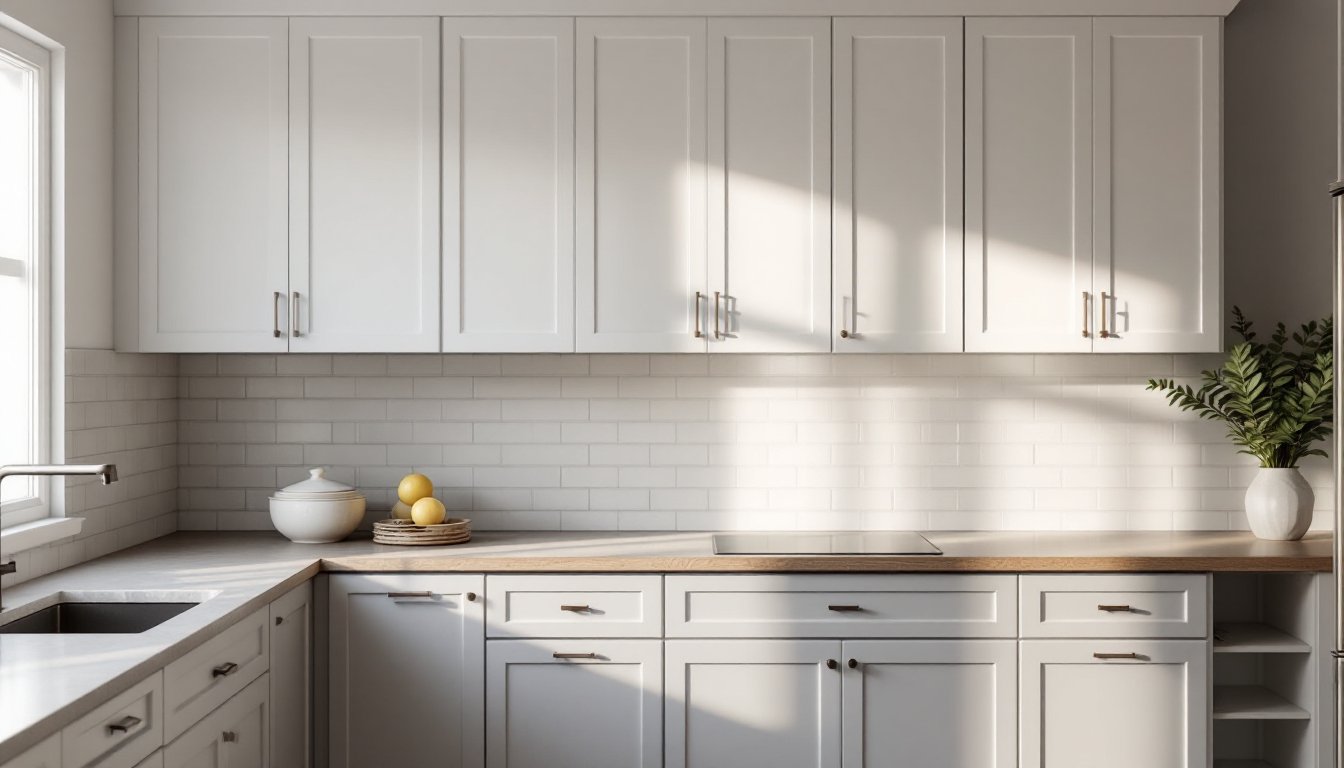
Shaker-style cabinets feature a recessed panel set within a simple frame, clean, proportionate, and endlessly adaptable. A Shaker door in white paint is contemporary: the same door in natural cherry feels traditional. That versatility is why Shaker has remained dominant for decades. The frame is roughly 1.5 to 2 inches wide, and the recessed panel sits back about 0.5 inches, creating subtle shadow lines that add dimension without busywork.
Flat-panel (or slab) doors are the next step toward simplicity: a single, flat surface with no frame or recessed section. No grooves mean easier cleaning. No frame joints mean less risk of splitting or seasonal movement. Slab cabinets are slightly cheaper to produce and read as distinctly modern. They pair well with handle-less, push-to-open mechanisms or concealed hinges.
Both styles work in various wood species and paint finishes. The key difference is visual weight: Shaker has a bit more presence, while slab feels airier. If your kitchen is small or dark, slab cabinets and a light paint color open it up. If you want traditional warmth, Shaker in natural wood is almost impossible to date. Kitchen design resources like Remodelista’s guide to cabinet styles provide detailed comparisons if you’re torn between options.
DIY Tips for Cabinet Upgrades
You don’t have to replace entire cabinets to modernize your kitchen. If existing cabinetry is structurally sound, painting or refinishing doors and replacing hardware can transform the look for a fraction of new cabinet costs.
Painting cabinet doors requires honest prep work. Remove doors from hinges, label them with a number or pencil mark to ensure they return to the right spots. Sand with 120- to 150-grit sandpaper to dull the existing finish and help primer adhere. Fill gaps or damage with wood filler, sand smooth, and prime with a bonding primer designed for cabinets, never skip primer on stained wood. Two coats of cabinet-grade paint (not standard interior paint: cabinet paint is tougher and more water-resistant) ensure durability. Allow 48 hours of dry time before rehinging and re-mounting hardware.
Wear nitrile gloves, a dust mask during sanding, and safety goggles to keep sawdust out of your eyes. Work in a well-ventilated space or outdoors: primer and paint fumes are no joke in an enclosed kitchen.
Replacing hardware is the quickest visual win. Drill out old holes or fill them with wooden dowels if new hardware sits differently. Hinges are less noticeable but more functional to upgrade: soft-close hinges cost more upfront but prevent slamming and extend hinge life. Resources like The Kitchn and Homedit showcase before-and-after cabinet refreshes if you need inspiration or step-by-step walkthroughs.
If doors are damaged beyond touch-up, consider replacements rather than full cabinet shells. Many cabinet suppliers sell replacement doors and drawer fronts that fit existing boxes, which costs far less than new construction.
Cabinet organization inside is part of design, too. Pull-out drawers, shelf dividers, and spice racks maximize function and keep the exterior clean. A well-organized interior makes daily cooking smoother and reduces clutter on countertops, which, in turn, makes simple cabinets look even better.