The top interior design trends of 2025 reflect a shift toward comfort, sustainability, and personal expression. Homeowners now prioritize spaces that feel grounded and functional. Designers respond with earthy palettes, organic shapes, and eco-conscious materials. This year’s trends blend aesthetics with purpose. They create rooms that look beautiful and work harder for daily life. From curved sofas to multifunctional layouts, these interior design trends offer fresh ways to transform any space. Here’s what’s shaping homes right now.
Table of Contents
ToggleKey Takeaways
- Top interior design trends in 2025 emphasize comfort, sustainability, and personal expression over fleeting fads.
- Earthy tones like terracotta and olive green paired with natural materials create timeless, grounded spaces.
- Curved furniture and soft silhouettes replace sharp angles to make rooms feel more welcoming and relaxed.
- Sustainable design choices—including recycled materials, low-VOC paints, and vintage pieces—benefit both homes and the environment.
- Bold textures and layered spaces add visual depth by mixing materials, patterns, and finishes throughout a room.
- Multifunctional rooms with flexible furniture and smart home technology help homeowners maximize space efficiency.
Earthy Tones and Natural Materials
Earthy tones dominate interior design trends this year. Terracotta, olive green, warm beige, and clay shades replace cooler grays and stark whites. These colors create warmth and visual calm. They connect indoor spaces to the natural world outside.
Natural materials reinforce this grounded aesthetic. Wood, stone, rattan, and linen appear in furniture, flooring, and decor. Designers favor raw, unpolished finishes that show texture and character. A reclaimed oak dining table or a travertine coffee table adds depth without overwhelming a room.
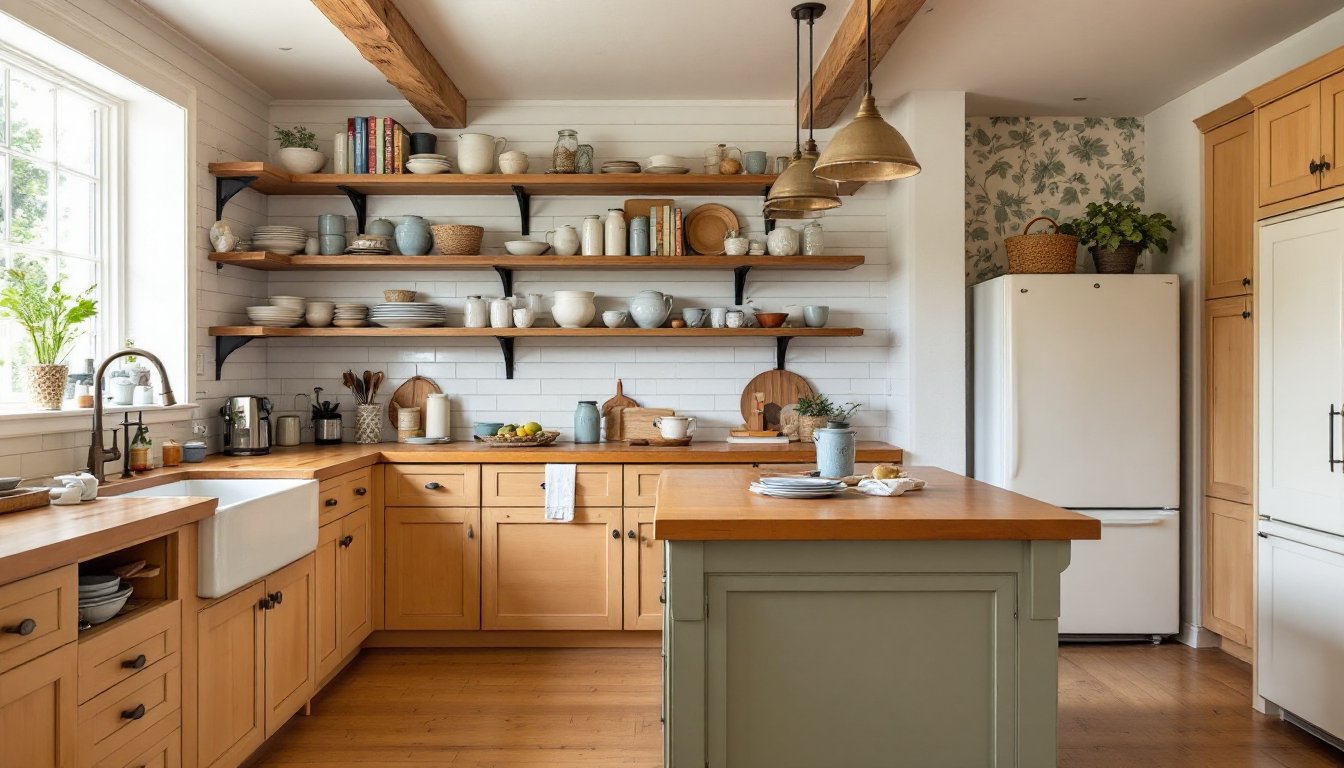
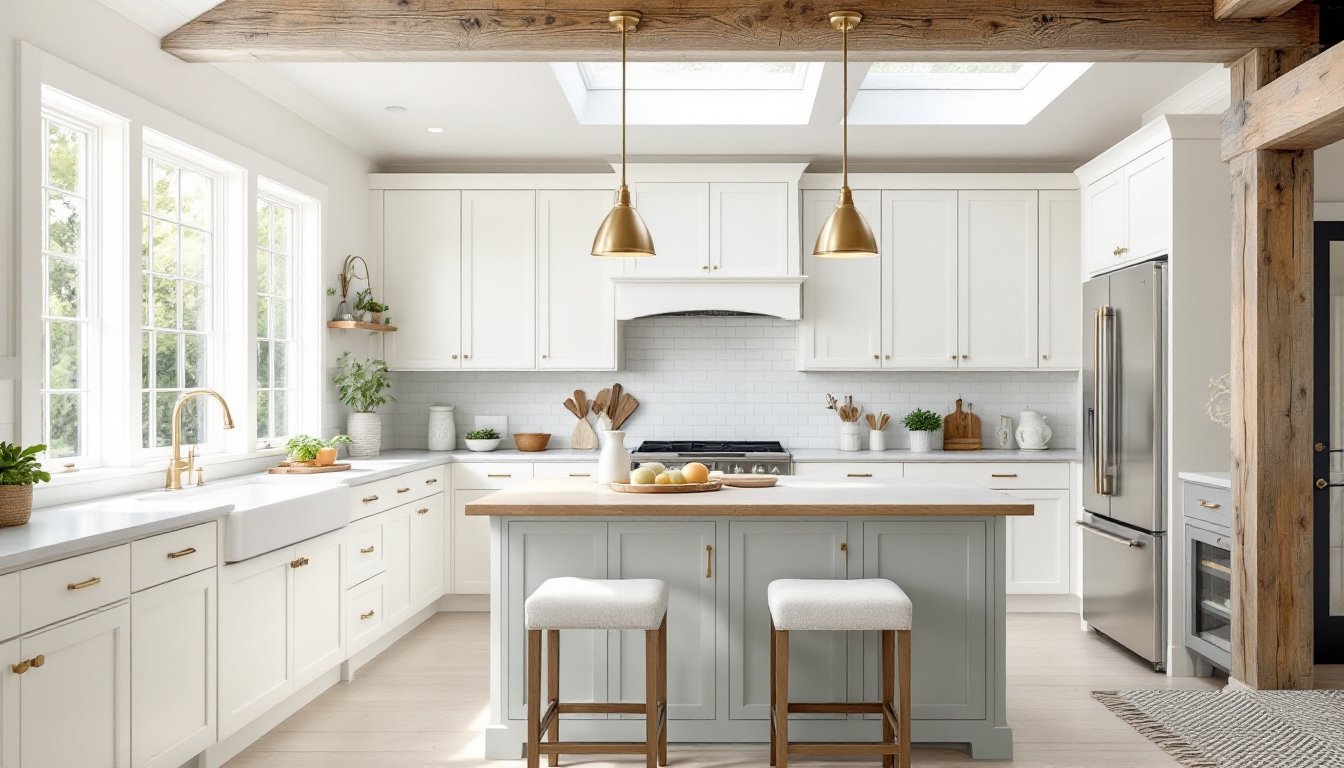
This trend works well in any space. A living room might feature terracotta walls paired with a jute rug. A bedroom could include linen bedding in soft mushroom tones. Even kitchens embrace this shift with stone countertops and wooden open shelving.
The appeal is simple: earthy tones and natural materials feel timeless. They age gracefully. They don’t chase fleeting fads. For homeowners who want lasting style, this interior design trend offers a solid foundation.
Curved Furniture and Soft Silhouettes
Sharp angles are out. Curved furniture and soft silhouettes define 2025’s interior design trends. Round sofas, arched mirrors, and kidney-shaped coffee tables now fill showrooms and living rooms alike.
Why the shift? Curves feel welcoming. They soften a space and encourage relaxation. A rounded armchair invites people to sit longer. An oval dining table encourages conversation, everyone can see each other.
This trend also reflects a desire for comfort over formality. After years of minimalist, angular furniture, homeowners crave pieces that feel approachable. Boucle upholstery, plush cushions, and gently curved backs deliver that softness.
Designers apply this trend throughout the home. Archways replace standard doorframes. Curved headboards anchor bedrooms. Even lighting fixtures embrace organic shapes, think sculptural pendants with flowing lines.
To incorporate curved furniture, start small. Swap a rectangular mirror for a round one. Add an accent chair with a curved back. These simple changes introduce movement and warmth without a full redesign.
Sustainable and Eco-Friendly Design
Sustainability sits at the core of 2025’s interior design trends. Homeowners and designers prioritize eco-friendly choices that reduce environmental impact. This goes beyond aesthetics, it’s about responsibility.
Recycled and upcycled materials gain popularity. Furniture made from reclaimed wood, recycled metal, or repurposed textiles tells a story while reducing waste. Vintage and secondhand pieces also see renewed interest. A mid-century dresser or antique rug adds character and keeps items out of landfills.
Low-VOC paints and finishes protect indoor air quality. Organic fabrics like hemp, organic cotton, and wool replace synthetic alternatives. These choices benefit both residents and the planet.
Energy efficiency influences design decisions too. Large windows maximize natural light and reduce electricity use. Smart thermostats and LED lighting integrate seamlessly into modern interiors.
This interior design trend appeals to environmentally conscious buyers. It also makes financial sense, quality sustainable pieces last longer than cheap alternatives. Investing in well-made, eco-friendly furniture pays off over time.
Bold Textures and Layered Spaces
Flat, one-dimensional rooms feel dated in 2025. Bold textures and layered spaces lead current interior design trends. Designers stack materials, patterns, and finishes to create visual interest and depth.
Texture appears everywhere. Chunky knit throws drape over velvet sofas. Woven baskets sit beside smooth ceramic vases. A shaggy wool rug contrasts with polished concrete floors. These combinations engage multiple senses and make rooms feel alive.
Layering extends to wall treatments. Textured wallpapers, limewash paint, and exposed brick add dimension. A feature wall might combine vertical wood paneling with mounted art.
This trend encourages mixing old and new. A sleek modern lamp pairs with a weathered leather chair. Handmade pottery shares shelf space with contemporary sculptures. The contrast keeps spaces dynamic.
To layer successfully, vary scale and finish. Combine matte and glossy surfaces. Mix fine and coarse textures. Let each element breathe, overcrowding defeats the purpose. When done well, layered spaces feel collected and personal, like they evolved over time.
Multifunctional Rooms and Smart Living
Space efficiency drives 2025’s interior design trends. Multifunctional rooms serve multiple purposes without feeling cramped. A guest bedroom doubles as a home office. A living room transforms into a workout space.
Flexible furniture enables this versatility. Murphy beds fold into walls. Modular sofas reconfigure for different activities. Extendable dining tables accommodate intimate dinners and larger gatherings. Storage ottomans hide blankets, books, or toys.
Smart home technology integrates into these spaces. Voice-controlled lighting adjusts for work, relaxation, or entertaining. Automated blinds respond to sunlight. Built-in charging stations keep devices powered without visible cables.
This interior design trend reflects changing lifestyles. Remote work continues. Smaller living spaces remain common in urban areas. Homeowners need rooms that adapt to their needs throughout the day.
Zoning helps define areas within open floor plans. A rug anchors a seating area. A bookshelf separates a workspace from a lounge. These visual boundaries maintain flow while creating distinct zones.