Interior design trends in 2025 reflect a shift toward comfort, sustainability, and personalization. Homeowners want spaces that feel warm yet functional. They also want their choices to align with environmental values. This year brings a blend of soft minimalism, bold color statements, eco-conscious materials, and tech-savvy living solutions. Whether someone is remodeling a single room or building from scratch, these interior design trends offer practical inspiration. The following sections break down the key styles shaping modern homes right now.
Table of Contents
ToggleKey Takeaways
- Interior design trends in 2025 prioritize comfort, sustainability, and personalization to create spaces that reflect individual values.
- Warm minimalism combines clean lines with natural materials like linen, wool, and wood to deliver calm, inviting rooms without clutter.
- Bold color palettes and statement walls make a strong comeback, offering homeowners a way to express personality through deep greens, rich blues, and unexpected hues.
- Sustainable materials such as reclaimed wood, bamboo, and organic fabrics dominate as eco-conscious choices that reduce environmental impact.
- Multifunctional spaces and modular furniture help homes adapt to work, exercise, and relaxation needs within the same square footage.
- Smart home integration with voice-controlled lighting and automated systems seamlessly supports modern, flexible living.
Warm Minimalism and Organic Textures
Warm minimalism dominates interior design trends this year. It takes the clean lines of traditional minimalism and adds warmth through natural materials and soft tones. Think creamy whites, terracotta, and muted browns instead of stark white walls and cold surfaces.
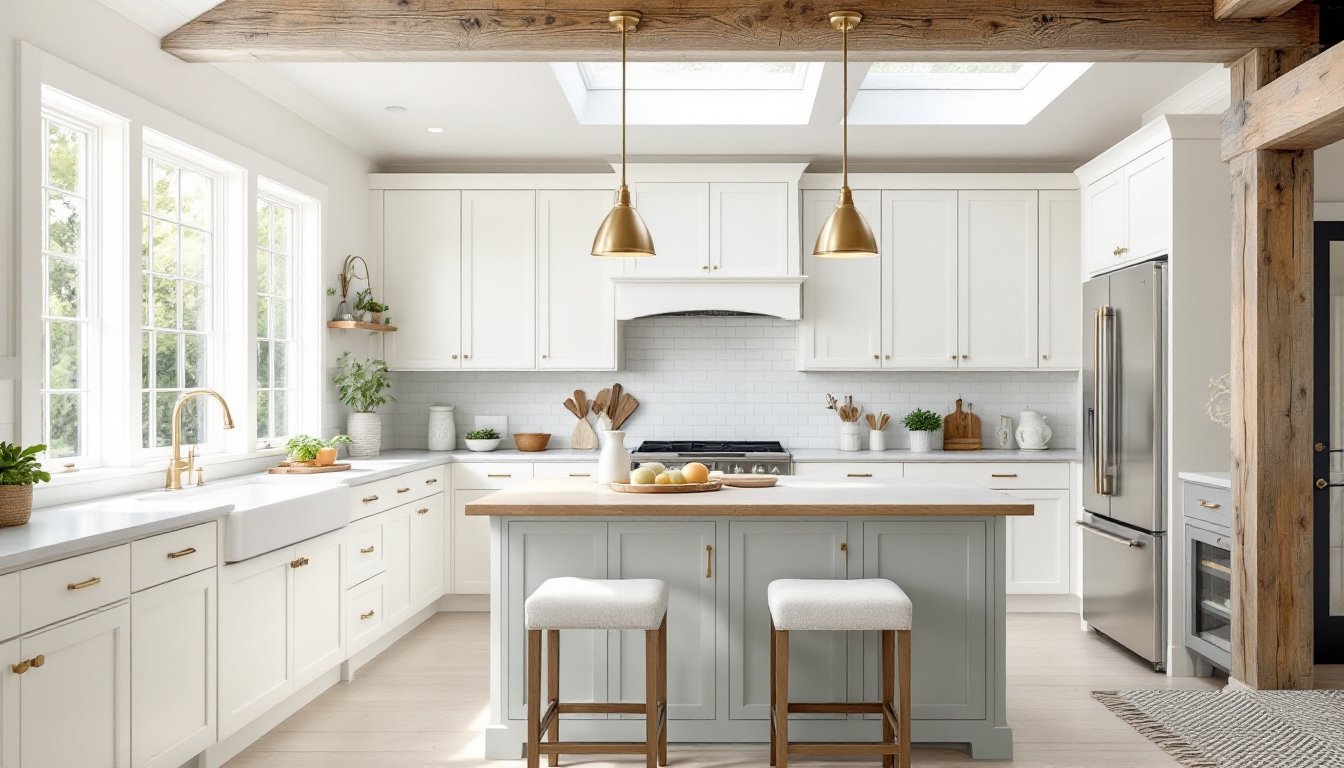
This style relies heavily on organic textures. Linen curtains, wool rugs, and rattan furniture create depth without clutter. Wood remains a favorite, especially light oak and walnut finishes. Stone accents on countertops or fireplaces add visual interest while keeping things grounded.
The goal here is simple: create spaces that feel calm and inviting. People spend more time at home now than ever before. They want rooms that reduce stress, not add to it. Warm minimalism delivers that by stripping away excess while preserving comfort.
Designers recommend layering textures to avoid a flat look. A jute rug under a velvet sofa, for example, adds richness. Ceramic vases and handwoven baskets serve as decor that doubles as storage. Every item earns its place.
This interior design trend works well in living rooms, bedrooms, and even kitchens. It suits both small apartments and larger homes. The key is restraint, keeping only what serves a purpose or brings joy.
Bold Color Palettes and Statement Walls
While warm minimalism favors neutrals, bold color palettes make a strong comeback in 2025. Interior design trends now embrace deep greens, rich blues, burnt oranges, and even unexpected shades like mauve and mustard.
Statement walls lead this movement. A single accent wall painted in a saturated hue can transform an entire room. Some homeowners go further with textured wallpaper featuring geometric patterns or botanical prints. Others use limewash paint for a soft, lived-in effect.
Color blocking is another popular technique. This involves pairing two or three contrasting colors in deliberate sections, perhaps a teal ceiling with terracotta trim. It sounds bold, but the results often feel surprisingly balanced.
Furniture also gets the color treatment. Emerald green sofas, cobalt blue armchairs, and coral dining chairs appear in showrooms everywhere. These pieces anchor a room and serve as conversation starters.
For those hesitant about committing to bold walls, accessories offer an easier entry point. Colorful throw pillows, art prints, and rugs introduce vibrancy without permanent changes. Swapping them out seasonally keeps spaces feeling fresh.
This interior design trend reflects a broader cultural shift. After years of neutral palettes, people crave self-expression. Color delivers personality and energy that beige simply cannot match.
Sustainable and Eco-Friendly Materials
Sustainability shapes interior design trends more than ever in 2025. Homeowners actively seek materials that reduce environmental impact. They ask questions about sourcing, manufacturing processes, and product lifespans.
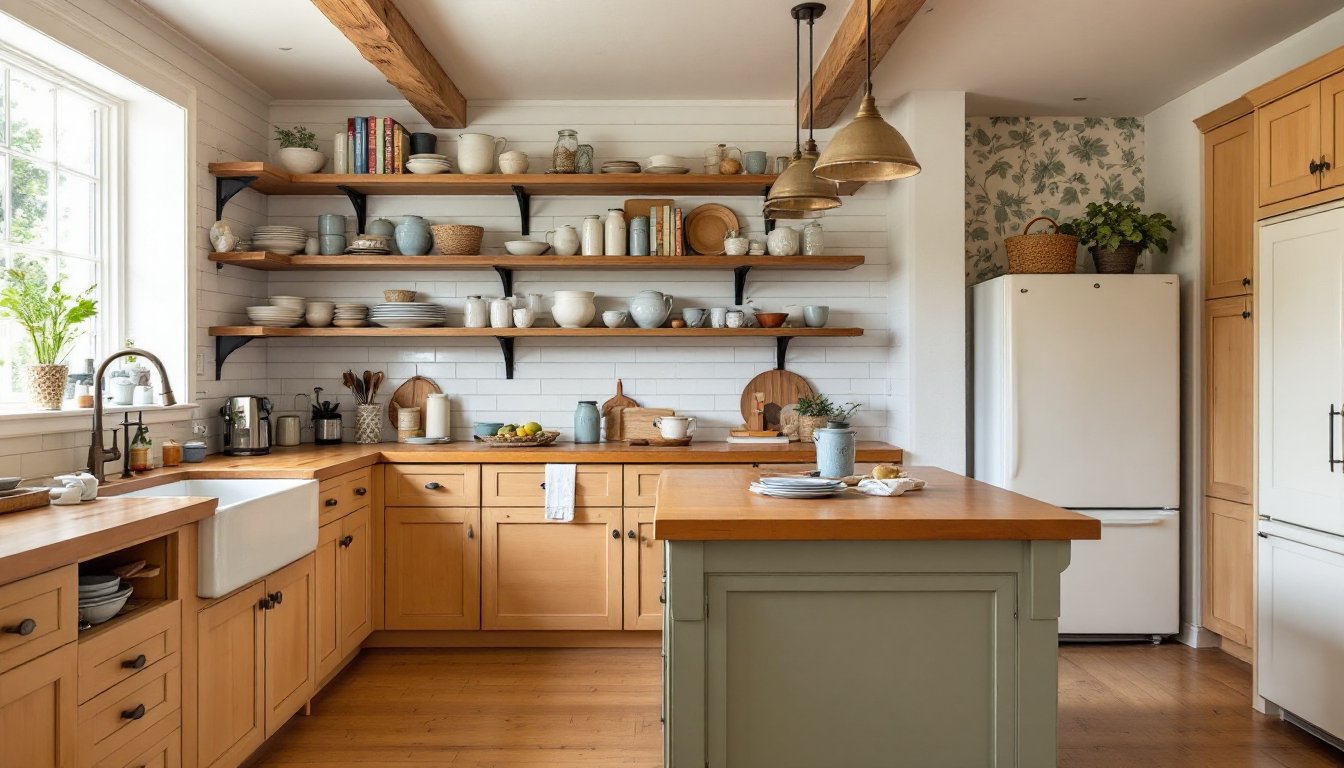
Reclaimed wood tops the list of popular choices. Salvaged from old barns, factories, and ships, it carries history and character that new lumber lacks. Each plank tells a story while keeping usable material out of landfills.
Bamboo continues to gain ground as a flooring and furniture option. It grows quickly, requires fewer resources than hardwood, and offers durability. Cork shares similar benefits and works well for flooring, wall tiles, and even furniture accents.
Recycled metals and glass appear in lighting fixtures, hardware, and decorative objects. These materials reduce the need for new mining and manufacturing. Many designers now specify recycled content as standard practice.
Natural fabrics like organic cotton, hemp, and linen replace synthetic textiles. They breathe better, last longer, and biodegrade at end of life. Low-VOC paints and finishes protect indoor air quality by eliminating harmful chemicals.
This interior design trend connects to larger values. People want their homes to reflect their beliefs. Choosing sustainable materials feels good and often results in higher-quality pieces that age beautifully over time.
Multifunctional Spaces and Smart Home Integration
Homes work harder in 2025. Interior design trends reflect the need for spaces that serve multiple purposes throughout the day. A dining room doubles as a home office. A guest bedroom transforms into a workout studio. Flexibility drives floor plans and furniture choices alike.
Modular furniture leads this shift. Sectional sofas reconfigure for different occasions. Murphy beds fold into walls to free up floor space. Expandable dining tables accommodate both intimate dinners and large gatherings. These pieces adapt to life rather than dictating it.
Storage solutions get creative too. Built-in shelving maximizes vertical space. Ottoman benches hide blankets and toys. Kitchen islands include hidden compartments for appliances. Clutter disappears without sacrificing accessibility.
Smart home technology integrates seamlessly into these multifunctional spaces. Voice-controlled lighting adjusts for work, relaxation, or entertaining. Automated blinds respond to sunlight and temperature. Smart thermostats learn schedules and optimize energy use.
Home offices benefit especially from this interior design trend. Proper lighting, ergonomic furniture, and noise reduction matter for productivity. Many designers now treat home offices as essential rooms rather than afterthoughts.
The pandemic accelerated these changes, but they show no signs of reversing. People expect their homes to support work, exercise, entertainment, and rest, all within the same square footage.