Interior design trends shift faster than most people realize. What felt fresh in 2024 already looks dated to some designers in 2025. The changes aren’t random, they reflect broader cultural moods, economic pressures, and shifting priorities around sustainability and comfort.
This comparison breaks down the major interior design trends differences between 2024 and 2025. Homeowners, designers, and anyone planning a renovation will find practical insights here. The focus stays on four key areas: color palettes, the maximalism-minimalism debate, sustainable versus traditional materials, and the tension between vintage and contemporary styles.
Table of Contents
ToggleKey Takeaways
- Interior design trends in 2025 shifted from cool neutrals to warm tones like terracotta, ochre, and Pantone’s Mocha Mousse for cozier, more grounded spaces.
- Maximalism replaced minimalism as the dominant style, emphasizing curated collections, bold patterns, and personality-driven rooms over sparse, neutral aesthetics.
- Sustainable materials became mainstream in 2025, with innovations like mycelium-based products and recycled ocean plastics now matching traditional materials in quality and appeal.
- The vintage revival gained momentum as homeowners sought unique, high-quality pieces that align with sustainability goals and stand out from catalog-style rooms.
- Successful 2025 interiors often blend eras and styles—mixing vintage finds with contemporary furniture creates the popular “collected over time” look.
- When comparing interior design trends between 2024 and 2025, the overarching theme is a move toward warmth, individuality, and conscious material choices.
Color Palettes: Warm Tones Versus Cool Neutrals
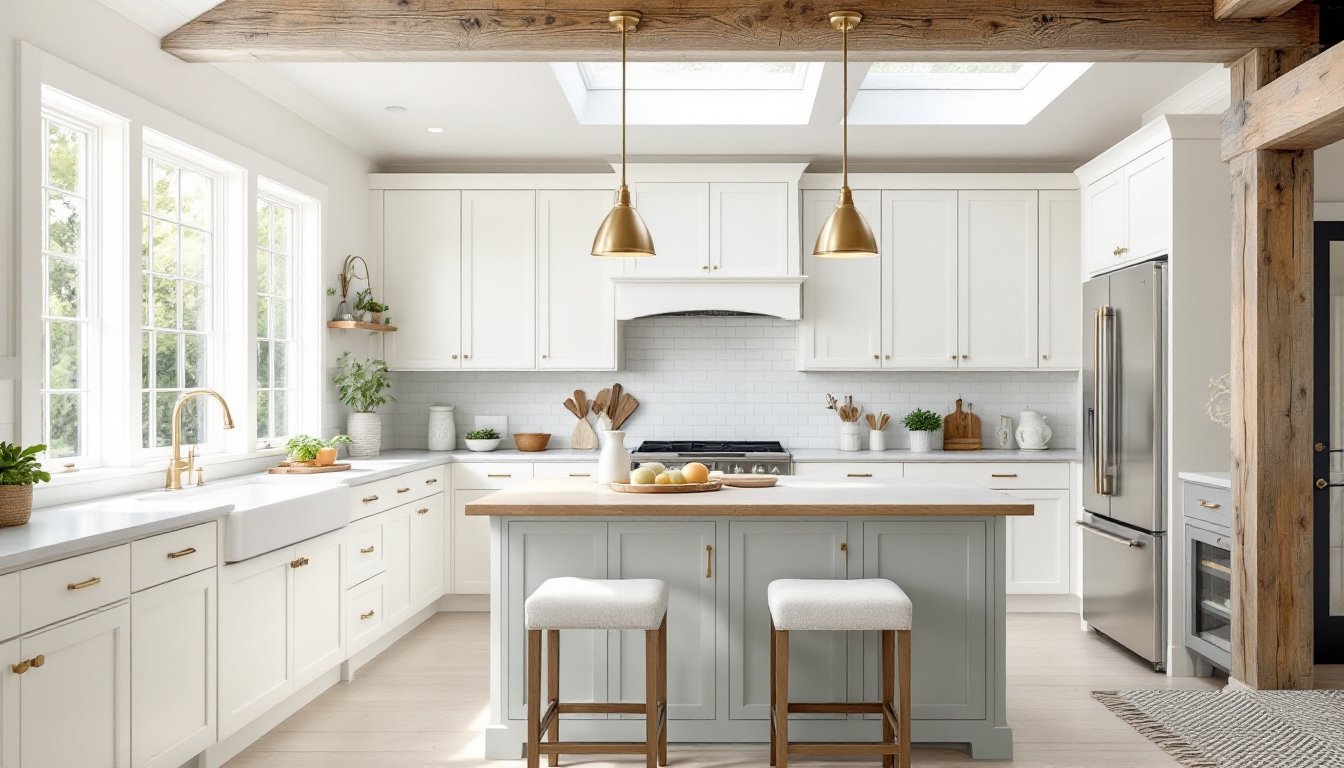
The color story of 2024 versus 2025 shows a clear directional shift. Last year, cool neutrals dominated interior design trends. Designers favored greige (gray-beige hybrids), soft whites, and pale blues. These colors created calm, airy spaces that photographed well for social media.
2025 tells a different story. Warm tones have taken over. Think terracotta, ochre, warm browns, and creamy off-whites. Pantone’s 2025 Color of the Year, Mocha Mousse, reflects this shift perfectly, a rich, grounding brown that anchors rooms with warmth.
Why the change? Several factors drove this interior design trends evolution:
- Post-pandemic comfort seeking: People want homes that feel cozy, not clinical
- Natural material influence: The rise of wood, clay, and stone pushed palettes warmer
- Screen fatigue: After years of blue-light exposure, warmer hues feel easier on the eyes
The shift doesn’t mean cool colors disappeared entirely. Many designers now blend warm and cool elements. A room might feature warm terracotta walls with cool gray furniture, creating visual interest through contrast.
For anyone updating their space in 2025, the practical takeaway is simple: lean into warmth. Even small changes, swapping cool white lampshades for cream, adding rust-colored throw pillows, can update a 2024-styled room quickly.
Maximalism Vs Minimalism In Modern Interiors
The minimalism-maximalism pendulum swung hard between 2024 and 2025. Interior design trends in 2024 still showed strong minimalist influence. Clean lines, sparse decoration, and “less is more” philosophy guided many projects. The Scandinavian aesthetic remained popular, especially in urban apartments.
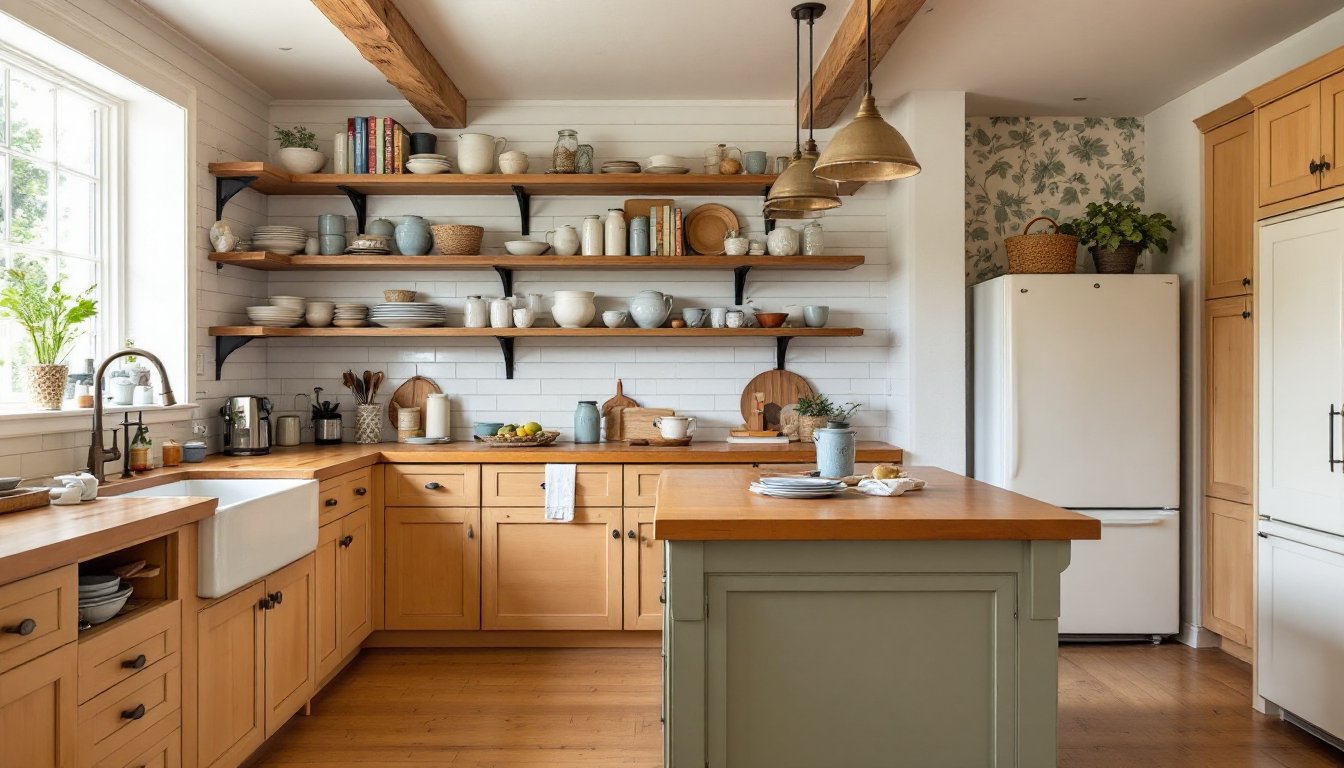
2025 brought maximalism back with force. But this isn’t the cluttered maximalism of decades past. Modern maximalism shows more intention. It’s about curated collections, bold pattern mixing, and personality-driven spaces.
Key differences in the interior design trends shift:
| 2024 Minimalism | 2025 Maximalism |
|---|---|
| Neutral color schemes | Rich, layered colors |
| Hidden storage | Displayed collections |
| Few statement pieces | Multiple focal points |
| Function over form | Expression through form |
Social media played a role here too. Instagram and Pinterest feeds full of identical minimal rooms created fatigue. People craved spaces that felt unique. Interior design trends responded by embracing individual expression.
The maximalism of 2025 follows some rules, though. Successful maximalist spaces use repetition, repeating colors or shapes across different elements creates cohesion. They also maintain “visual rest” areas. Not every surface needs decoration.
Designers report that clients now ask for spaces with “soul.” They want rooms that reflect their travels, hobbies, and histories. This marks a significant interior design trends departure from the anonymous minimalism that peaked around 2022-2024.
Sustainable Design Vs Traditional Materials
Sustainability became non-negotiable in 2025 interior design trends. While 2024 saw growing interest in eco-friendly options, 2025 pushed sustainable materials into the mainstream. The shift changed how designers source, specify, and present materials to clients.
In 2024, sustainable choices often meant compromise. Recycled materials looked recycled. Bio-based alternatives couldn’t match traditional performance. Many homeowners viewed sustainability as aspirational but impractical.
2025 changed this equation. Material innovation caught up with demand. Key interior design trends developments include:
- Mycelium-based materials: Mushroom-derived products now substitute leather and foam
- Recycled ocean plastics: Transformed into attractive textiles and surfaces
- Reclaimed wood: Premium pricing reflects its desirability, not just its scarcity
- Low-VOC everything: Paints, finishes, and adhesives with minimal off-gassing became standard
Traditional materials didn’t disappear from interior design trends. Marble, hardwood, and natural stone remain popular. But their sourcing now matters more. Clients ask where materials come from. They want documentation of ethical extraction and fair labor practices.
Cost dynamics shifted too. Some sustainable options now price competitively with traditional alternatives. Mass production and increased demand lowered prices for recycled metals, sustainable fabrics, and bamboo products.
The 2025 approach treats sustainability as design enhancement, not sacrifice. A reclaimed wood table tells a story. Recycled glass tiles add unique character. These interior design trends frame eco-consciousness as aesthetic advantage.
Vintage Revival Vs Contemporary Aesthetics
The vintage versus contemporary debate shows one of 2025’s most interesting interior design trends tensions. Both approaches gained followers, creating two distinct camps, and some interesting hybrid spaces.
2024 leaned contemporary. Clean-lined furniture, new materials, and forward-looking aesthetics dominated showrooms. Mid-century modern remained popular but felt increasingly predictable. Contemporary spaces prioritized innovation and current manufacturing.
2025 saw vintage pieces gain serious ground. Several factors drove this interior design trends shift:
- Quality perception: Older furniture often features better craftsmanship than mass-produced alternatives
- Sustainability alignment: Reusing existing pieces reduces manufacturing demand
- Uniqueness hunger: Vintage items guarantee a room won’t look like a catalog page
- Investment mindset: Some vintage pieces appreciate in value
The 70s and 80s experienced particular revival. Curves returned, arched doorways, rounded furniture, and circular mirrors. Earth tones and textured fabrics from these decades feel fresh again. Interior design trends cycle this way, with styles returning every 30-40 years.
Contemporary design didn’t lose relevance, though. Technology integration demands current solutions. Smart home features, hidden charging stations, and modular furniture require contemporary manufacturing. Many successful 2025 spaces blend eras, a vintage armchair beside a contemporary sofa, or antique artwork in a modern frame.
Designers call this approach “collected over time” styling. It creates interior design trends that feel personal rather than purchased. The look suggests someone gathered items across years, not from a single shopping trip.