Interior design trends and techniques are shifting fast in 2025. Homeowners want spaces that feel both fresh and livable. They’re moving away from stark, cold aesthetics toward warmth, texture, and sustainability. This year brings a mix of eco-conscious choices, softer color palettes, and design methods that balance style with function. Whether someone is renovating a single room or rethinking an entire home, understanding current interior design trends helps them make smart decisions. This guide breaks down the most important trends shaping homes today, plus practical techniques anyone can use to create spaces that look intentional and feel comfortable.
Table of Contents
ToggleKey Takeaways
- Interior design trends in 2025 prioritize warmth, sustainability, and spaces that feel authentic rather than perfectly curated.
- Sustainable materials like reclaimed wood, bamboo, and vintage furniture are replacing fast furniture as homeowners invest in quality pieces built to last.
- Warm minimalism combines clean lines with natural textures, organic shapes, and softer color palettes for calm yet inviting spaces.
- Essential design techniques include establishing a focal point, layering lighting, and using the 60-30-10 color rule for visual balance.
- Mix styles and textures successfully by finding a unifying thread—such as a shared color palette or material—while varying scale and visual weight.
- Update your space affordably by swapping textiles, painting an accent wall, adding plants, and replacing outdated hardware.
Top Interior Design Trends Shaping Homes Today
The biggest interior design trends in 2025 reflect a desire for authenticity and comfort. People are tired of spaces that look perfect but feel sterile. Instead, they want rooms that tell a story and support their daily lives.
Sustainable and Eco-Friendly Materials
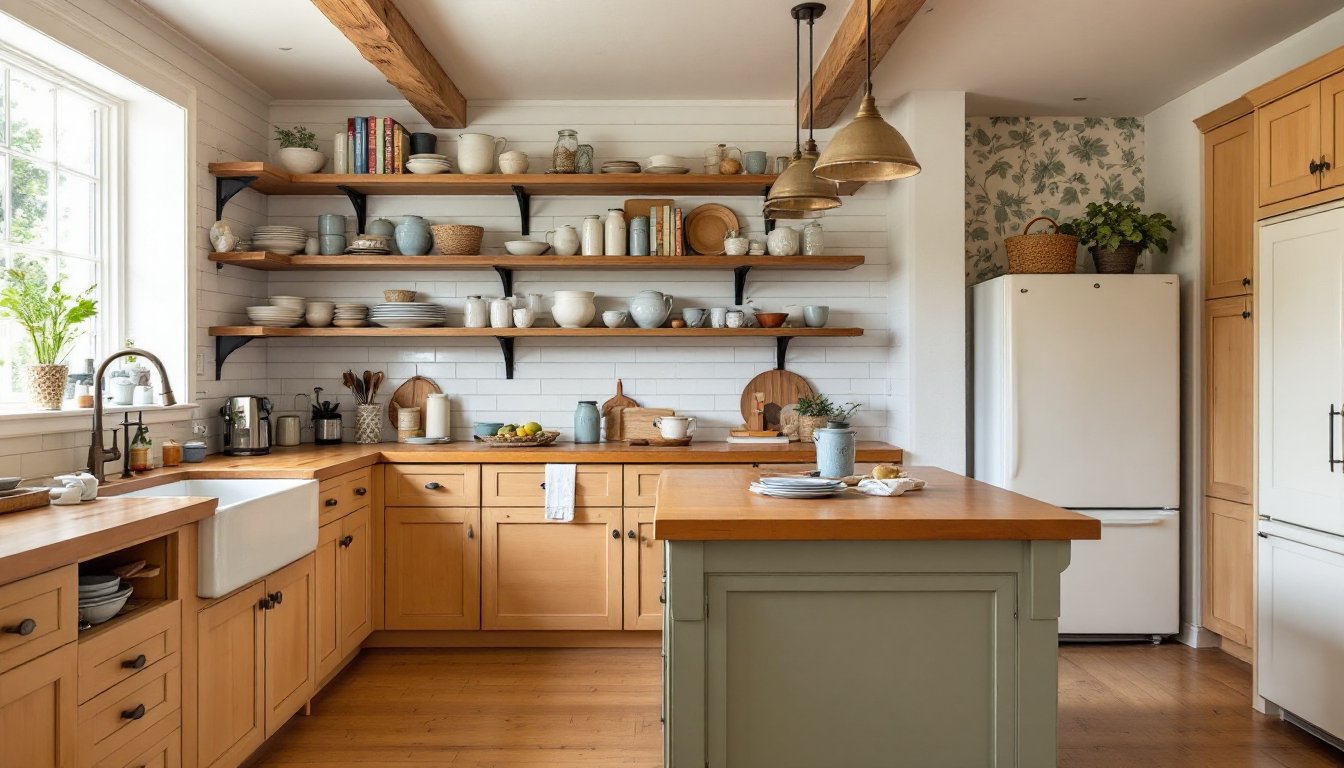
Sustainability has moved from a niche interest to a mainstream priority. Designers now source reclaimed wood, recycled metals, and natural fibers like hemp and organic cotton. Cork flooring has made a comeback because it’s renewable and naturally insulates sound. Bamboo furniture remains popular for its strength and fast growth cycle.
Beyond materials, people are choosing furniture built to last. Fast furniture, cheap pieces meant to be replaced every few years, is falling out of favor. Buyers prefer investing in quality items they’ll keep for decades. This shift affects everything from dining tables to bedroom sets.
Vintage and secondhand pieces also fit this trend perfectly. A 1970s dresser or a mid-century chair adds character while keeping perfectly good furniture out of landfills. Many interior design trends in 2025 emphasize this blend of old and new.
Warm Minimalism and Organic Elements
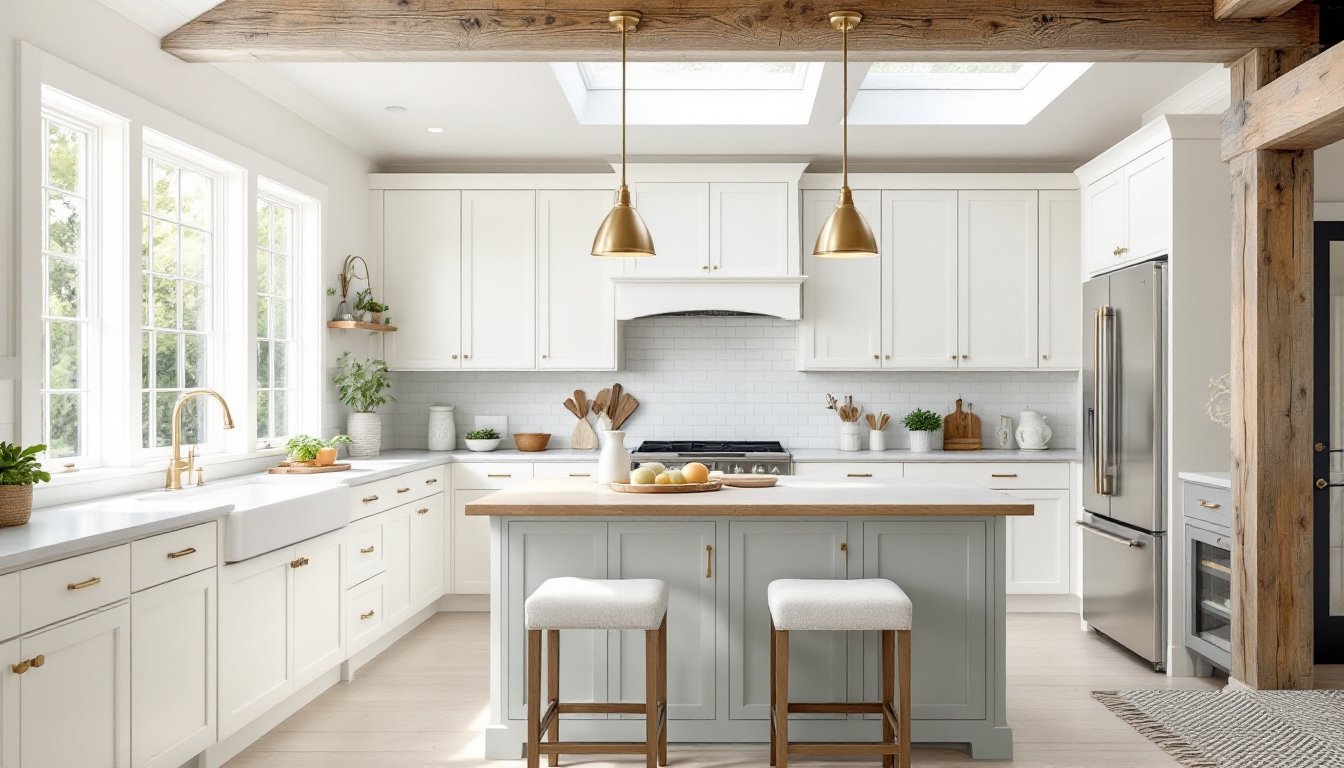
Minimalism isn’t dead, but it’s evolved. Cold, all-white spaces with sparse furniture have given way to warm minimalism. This approach keeps the clean lines and clutter-free philosophy but adds warmth through color, texture, and natural materials.
Think cream walls instead of stark white. Imagine wooden furniture with visible grain instead of glossy lacquer. Picture linen curtains that filter light softly rather than harsh blinds. These choices create calm without feeling empty.
Organic elements play a huge role here. Stone accents, live plants, and dried botanicals bring nature indoors. Curved furniture, rounded sofas, oval coffee tables, arched mirrors, softens rooms and echoes natural forms. Interior design trends now favor shapes found in nature over rigid geometric patterns.
Essential Design Techniques for Every Space
Good interior design techniques work regardless of budget or room size. These fundamentals help anyone create cohesive, functional spaces.
First, establish a clear focal point in each room. A fireplace, a statement piece of art, or even a bold piece of furniture anchors the space. Everything else should support, not compete with, that focal point.
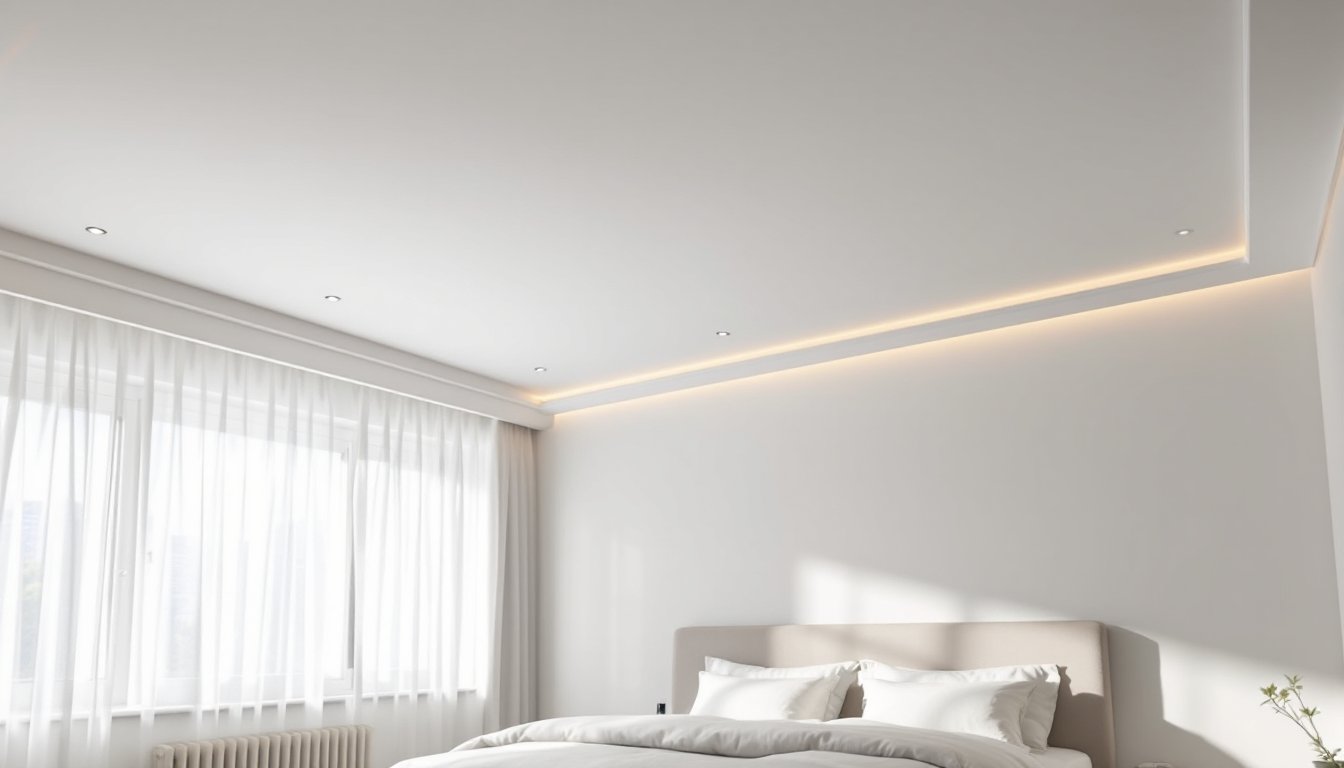
Second, layer lighting at multiple heights. Overhead fixtures provide general illumination, but table lamps, floor lamps, and sconces add depth. Dimmer switches let homeowners adjust the mood throughout the day. Good lighting transforms how a room feels more than almost any other design technique.
Third, consider traffic flow. Furniture placement should allow easy movement through the space. Leave at least 36 inches for main walkways. Arrange seating to encourage conversation rather than forcing everyone to face a TV.
Fourth, use the 60-30-10 rule for color. The dominant color covers 60% of the room (walls, large furniture). A secondary color takes 30% (curtains, accent chairs, rugs). The remaining 10% goes to accent colors (throw pillows, artwork, decorative objects). This ratio creates visual balance without monotony.
These interior design techniques apply whether someone prefers modern, traditional, or eclectic styles. They’re foundational skills that make every design choice more effective.
How to Mix Styles and Textures Effectively
Mixing styles and textures adds personality to any room. But doing it poorly creates chaos. Here’s how to blend different elements successfully.
Start with a unifying thread. This might be a color palette, a material, or an era. For example, mixing Scandinavian and mid-century modern works well because both share clean lines and wood tones. The styles overlap enough to feel cohesive.
Texture mixing requires variety without overwhelming the senses. Combine smooth surfaces (glass, polished metal) with rough ones (natural wood, woven baskets). Add soft textures (velvet, chenille) alongside harder ones (leather, ceramic). This contrast creates visual interest and makes spaces feel layered.
Limit the number of patterns in any single room. Two to three patterns usually work best. Vary the scale, pair a large floral print with thin stripes and a subtle geometric. Keep patterns in the same color family for harmony.
Don’t forget about proportion when mixing furniture styles. A delicate French chair looks lost next to a massive sectional sofa. Group pieces of similar visual weight together, or use rugs and artwork to create balance.
Many current interior design trends embrace this mix-and-match approach. A perfectly matched room often feels like a catalog showroom. Thoughtful mixing creates spaces that feel collected over time, and that’s exactly what makes a house feel like a home.
Practical Tips for Implementing New Trends
Adopting new interior design trends doesn’t require a complete renovation. Small, strategic changes can update any space.
Swap out textiles first. New throw pillows, curtains, or a rug instantly refresh a room without major investment. Choose pieces in trending colors or textures for maximum impact with minimum effort.
Paint makes a dramatic difference. A single accent wall in a warm terracotta or sage green brings current interior design trends into any home. It costs little and takes a weekend to complete.
Update hardware throughout the house. Cabinet pulls, door handles, and light switch plates often get overlooked. Switching to brass, matte black, or organic-shaped hardware modernizes kitchens and bathrooms quickly.
Add plants generously. Large fiddle-leaf figs, trailing pothos, and sculptural snake plants appear in nearly every design magazine right now. They purify air, add life to corners, and cost far less than furniture.
Edit ruthlessly before adding anything new. Clutter kills even the best design intentions. Remove items that don’t serve a purpose or bring joy. The space that remains feels larger and more intentional.
Finally, take one trend at a time. Trying to incorporate every new idea creates confusion. Pick one or two interior design trends that genuinely appeal and commit to them. Consistency matters more than checking every box.