Learning how to interior design trends can feel overwhelming. New styles emerge each season, and social media floods feeds with picture-perfect rooms. But here’s the good news: following interior design trends doesn’t require a complete home overhaul or an unlimited budget. It requires intention, a bit of research, and knowing which trends actually fit one’s lifestyle. This guide breaks down the current design landscape, highlights the most popular trends shaping homes in 2025, and offers practical tips for incorporating fresh ideas without very costly. Whether someone wants a subtle refresh or a bold transformation, these strategies will help create a space that feels both current and personal.
Table of Contents
ToggleKey Takeaways
- Interior design trends in 2025 prioritize warmth, authenticity, and multifunctional spaces over stark, curated aesthetics.
- Top trends include warm minimalism, curved furniture, bold color accents, vintage pieces, natural materials, and statement lighting.
- Start small by swapping textiles or adding a single accent wall to test interior design trends without overspending.
- Invest in timeless foundational pieces like sofas and tables, then use trends for easily changeable accessories.
- Shopping secondhand supports both sustainability goals and the vintage furniture trend while saving money.
- Balance trendy elements with personal taste—skip trends that don’t resonate, as authenticity matters most.
Understanding the Current Interior Design Landscape
The interior design landscape in 2025 reflects a shift toward authenticity and comfort. Homeowners are moving away from cookie-cutter aesthetics and gravitating toward spaces that tell a story. This change stems from several factors: post-pandemic priorities around home as sanctuary, growing environmental awareness, and a desire for rooms that actually function well.
Interior design trends today emphasize texture, warmth, and sustainability. Gone are the days of stark minimalism without personality. Instead, designers and homeowners embrace layered looks that combine natural materials with meaningful objects.
Social media platforms like Pinterest and Instagram continue to shape how people discover interior design trends. But, there’s been a notable pushback against overly curated spaces. People want homes that look lived-in, not staged for a photoshoot.
Another key factor is the rise of hybrid living spaces. With remote work becoming permanent for many, home offices have evolved from makeshift corners to intentional rooms. Interior design trends now account for multifunctional spaces that serve work, relaxation, and family life equally well.
Understanding these broader shifts helps anyone approach interior design trends with context. It’s not about copying what’s popular, it’s about identifying which movements align with one’s values and daily needs.
Popular Trends Shaping Homes in 2025
Several interior design trends dominate the conversation this year. Here’s what’s actually gaining traction in real homes, not just design magazines.
Warm Minimalism
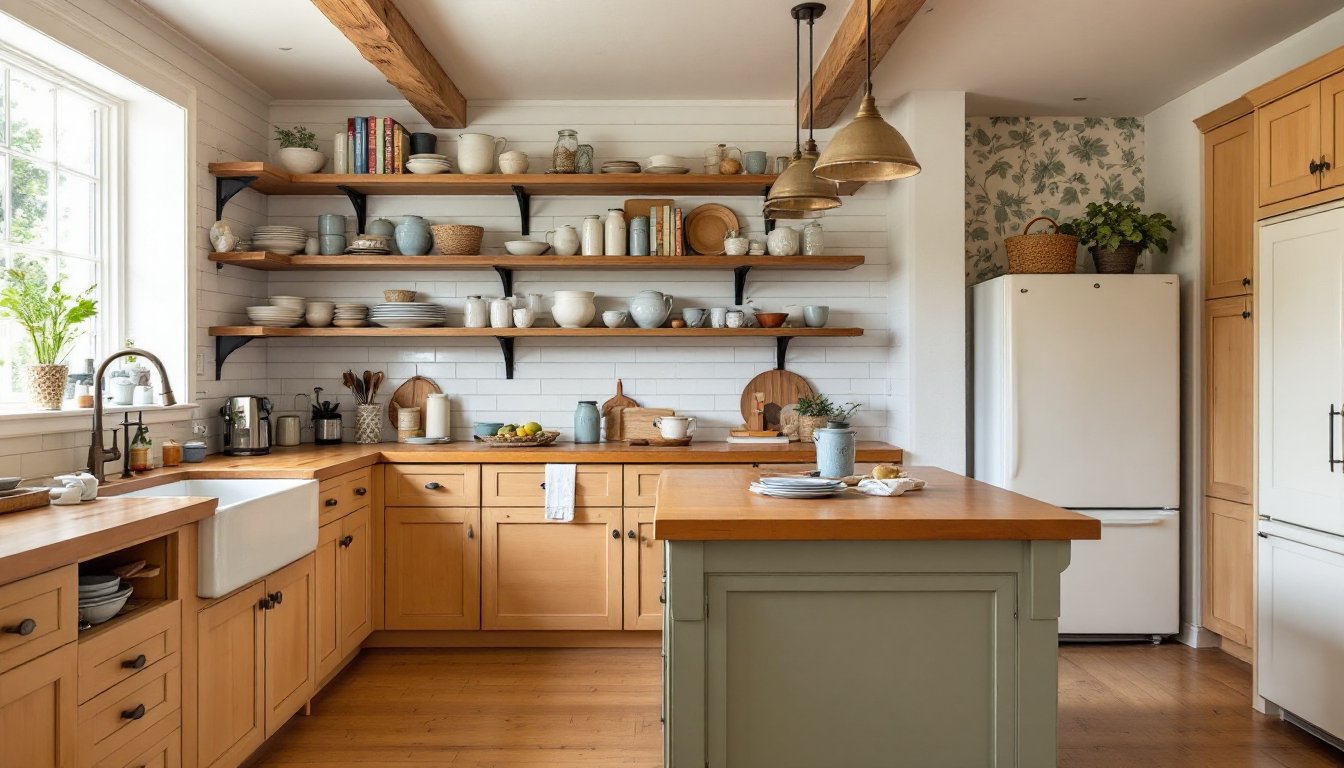
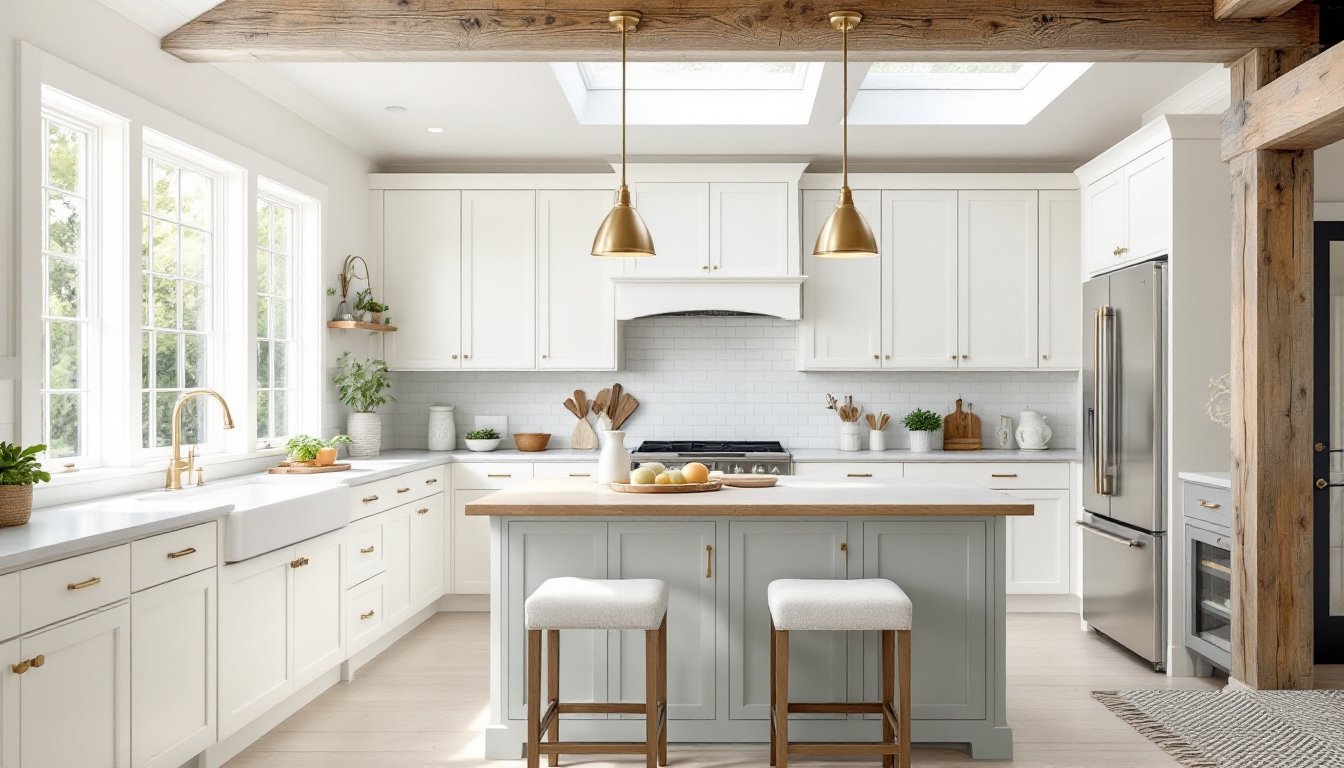
Warm minimalism combines clean lines with rich textures and earthy tones. Think fewer items, but each piece carries visual weight and purpose. Cream walls replace stark white. Wood, stone, and linen add softness without clutter. This interior design trend works because it offers simplicity without feeling cold.
Curved Furniture
Sharp angles are out. Rounded sofas, arched doorways, and circular mirrors dominate showrooms and living rooms alike. Curved furniture creates visual flow and softens spaces. It’s one of those interior design trends that photographs well and feels even better in person.
Bold Color Moments
While neutral palettes remain popular, 2025 embraces bold color in strategic doses. Deep terracotta, forest green, and rich burgundy appear on accent walls, statement furniture, and textiles. The key is restraint, one or two bold elements per room prevent overwhelm.
Vintage and Antique Pieces
Mixing old with new continues to gain momentum. Antique furniture, vintage lighting, and secondhand finds add character that mass-produced items can’t replicate. This interior design trend also supports sustainability goals and creates unique spaces.
Natural Materials
Stone, wood, rattan, and clay feature heavily in current interior design trends. These materials connect indoor spaces to nature and age gracefully over time. They also tend to feel more substantial than synthetic alternatives.
Statement Lighting
Lighting has become sculpture. Oversized pendants, artistic chandeliers, and unique floor lamps serve as focal points. Good lighting transforms a room’s mood instantly, making this one of the most impactful interior design trends to adopt.
How to Incorporate Trends Without Overspending
Following interior design trends doesn’t require a massive budget. Smart strategies help anyone update their space affordably.
Start with textiles. Swapping throw pillows, blankets, and curtains offers immediate impact for minimal cost. Want to embrace warm minimalism? Trade bright patterns for cream and terracotta tones. It’s one of the easiest ways to test interior design trends before committing.
Shop secondhand. Vintage and antique pieces are trending anyway, so thrift stores, estate sales, and online marketplaces become treasure troves. A $50 vintage lamp can make a bigger statement than a $500 new one.
Paint strategically. A single accent wall or painted furniture piece can incorporate bold color trends without repainting entire rooms. Paint remains one of the most cost-effective tools for following interior design trends.
Focus on one room. Rather than spreading budget thin across an entire home, concentrate efforts on one space. A fully updated living room makes more impact than five half-finished rooms.
DIY where possible. Many interior design trends lend themselves to DIY projects. Refinishing furniture, installing floating shelves, or creating gallery walls require more time than money.
Prioritize lighting. Replacing overhead fixtures or adding floor lamps transforms a room’s entire feel. Statement lighting represents a trend worth investing in because it delivers outsized results.
Wait for sales. Patience pays off. Major retailers discount seasonal items regularly. Planning purchases around these cycles stretches budgets significantly.
Balancing Timeless Style With Trendy Elements
The smartest approach to interior design trends involves balance. Chasing every new style leads to constant (and expensive) redecorating. A better strategy uses trends as accents while building on timeless foundations.
Invest in classics for big pieces. Sofas, dining tables, and bed frames should lean timeless. Neutral colors and simple silhouettes in quality materials last decades. These pieces provide the backdrop for trendier elements.
Use trends for accessories. Interior design trends work best in easily changed items: pillows, artwork, vases, and small furniture. When a trend passes, these items can be swapped without major expense or effort.
Trust personal taste. If a popular interior design trend doesn’t appeal, skip it. Trends cycle quickly, but living with décor one dislikes never feels good. Authenticity matters more than following every movement.
Mix eras intentionally. Combining pieces from different decades prevents a space from feeling dated to any single moment. A mid-century chair next to a contemporary sofa creates visual interest that transcends trends.
Consider longevity. Some interior design trends have staying power. Natural materials, quality craftsmanship, and functional design have remained relevant for centuries. These “trends” represent safe long-term investments.
Edit regularly. Homes evolve with their occupants. Regular editing, removing items that no longer serve the space, keeps rooms feeling fresh regardless of current trends.
The goal isn’t a home that looks like a design magazine spread. It’s creating a space that feels right for the people who live there while incorporating elements that reflect current tastes.