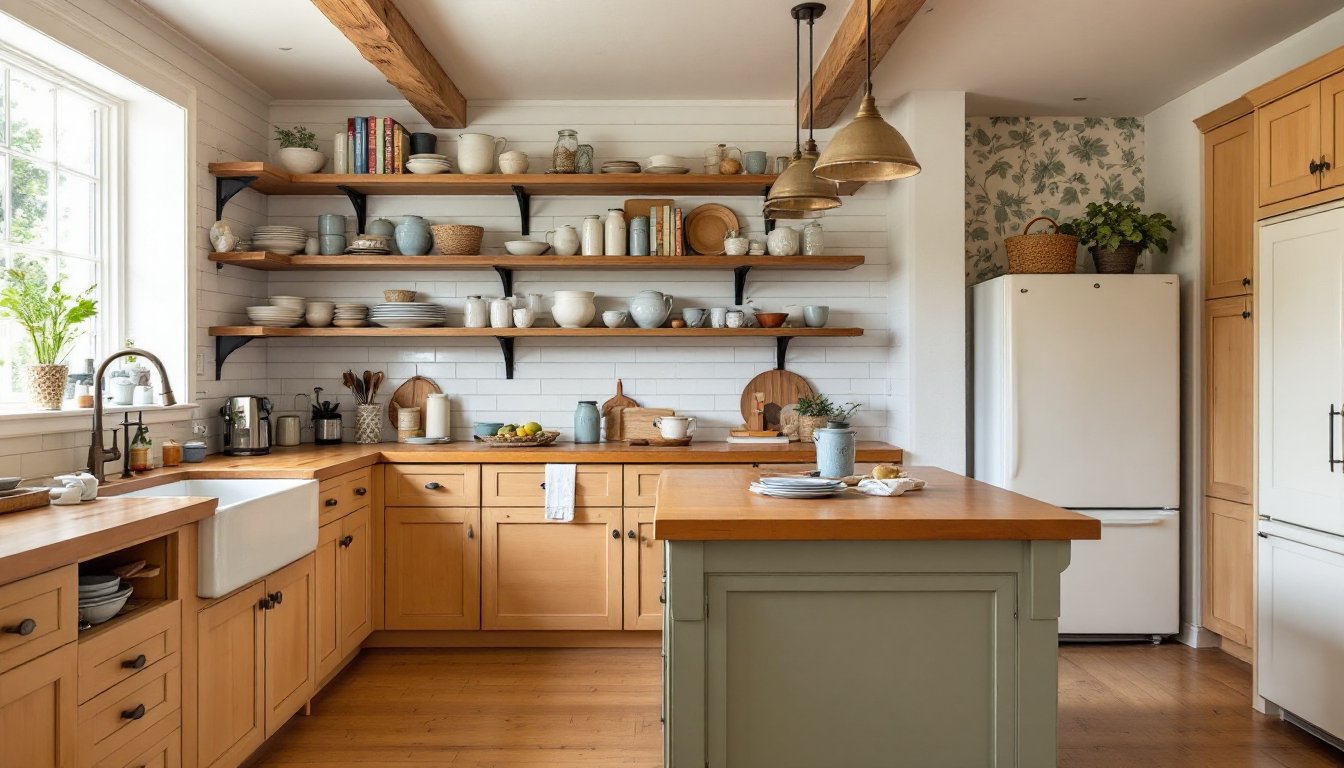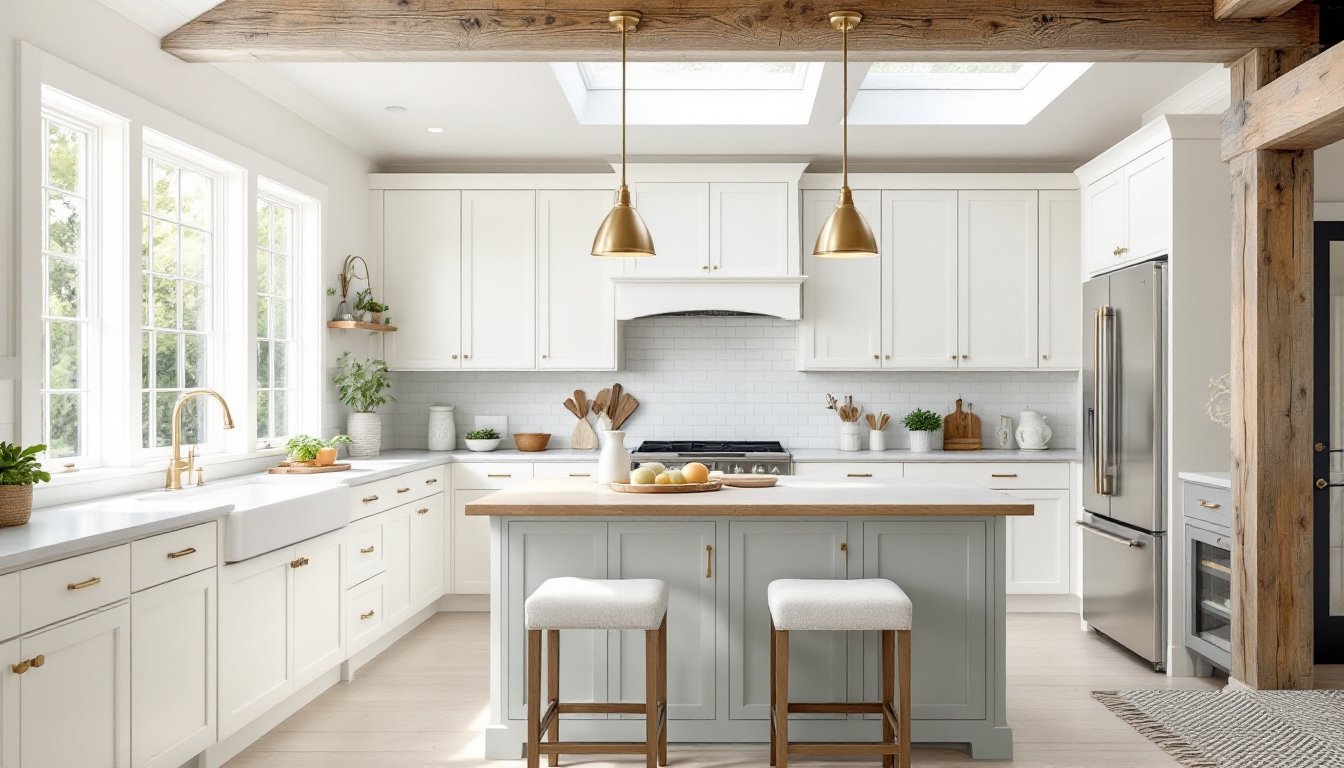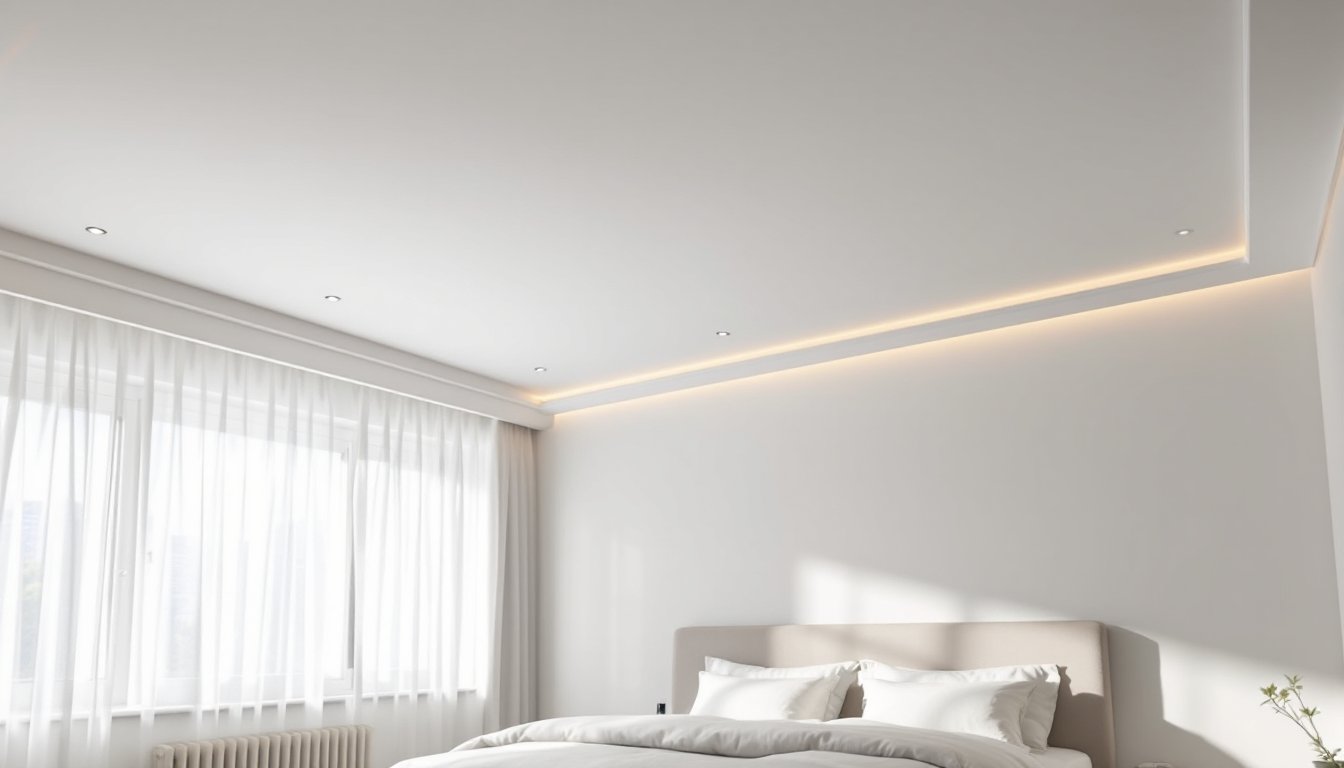
A shed tiny house offers DIYers a unique canvas to test renovation skills without the overwhelming scope of a full home project. Whether you’re converting an existing outbuilding or constructing from scratch, the interior design work is manageable, rewarding, and surprisingly affordable. With the right approach to layout, materials, and storage, a compact shed interior can become a fully functional retreat, a home office, art studio, guest space, or getaway cabin. The key lies in understanding how to maximize every square foot while maintaining a cohesive, livable environment. This guide walks through the essential design principles and practical decisions that transform a bare shed into an inviting, efficient interior.
Table of Contents
ToggleKey Takeaways
- A shed tiny house interior project typically costs $5,000 to $15,000 and is ideal for DIYers looking to develop renovation skills on a manageable, affordable scale.
- Maximize vertical space through floor-to-ceiling shelving, loft platforms with at least 36 inches of headroom, and wall-mounted furniture like fold-down desks to preserve usable floor area.
- Create visual cohesion in your shed tiny house by choosing one dominant design style, repeating materials and colors, and varying textures to maintain interest without chaos.
- Select multifunctional furniture and use reflective surfaces like mirrors and glazed cabinet doors to amplify light and create the illusion of depth in compact spaces.
- Embrace intentional minimalism by displaying only items you genuinely use or love, allowing your carefully curated pieces to shine rather than competing for attention in tight quarters.
Why Shed Tiny Houses Are The Perfect DIY Project
Building or refurbishing a shed tiny house interior appeals to DIYers for solid reasons. First, the scale is forgiving, mistakes in a 12×16 space are less costly and easier to correct than errors in a full-size home. You’ll develop skills in framing, drywall finishing, electrical rough-in, and finishes without betting the farm. Second, permits and inspections are often simpler for accessory structures, though this varies by jurisdiction: always check local building codes before starting.
Financially, a shed tiny house project typically runs $5,000 to $15,000 for a basic interior, depending on materials and finish quality. Compare that to a home renovation and the advantage is clear. You can experiment with unconventional layouts, materials, or decor styles without second-guessing a six-figure investment. A shed interior is also an excellent testing ground for sustainable building practices, reclaimed wood, low-VOC paints, and salvaged fixtures all work beautifully in compact spaces. The result is a functional, cost-effective retreat that homeowners actually use.
Essential Design Principles For Small Spaces
Maximizing Vertical Space And Storage Solutions
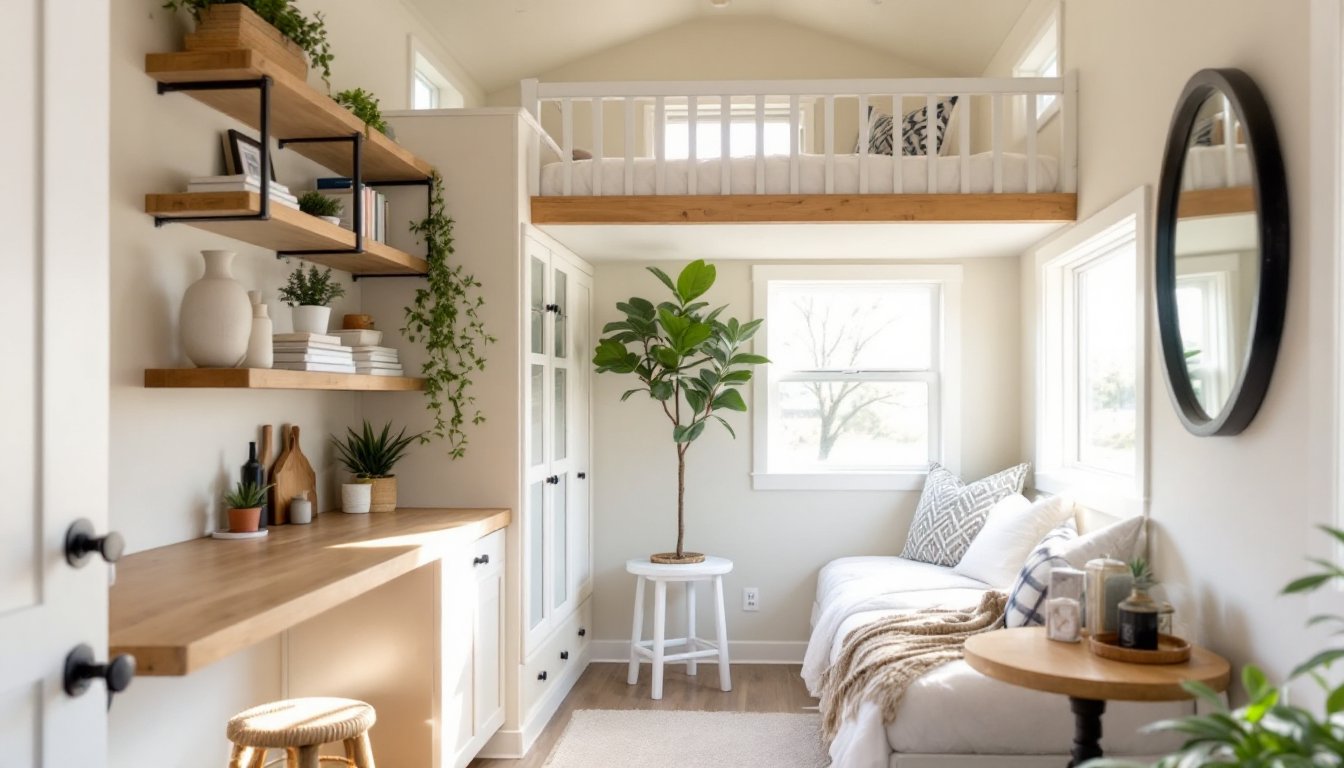
In a shed tiny house, walls are real estate. Install shelving from floor to ceiling, not everywhere, but in strategic zones. Open shelving works in areas where you want display (books, art, plants), while closed cabinets hide less photogenic items. Nominal 1×10 or 1×12 lumber (0.75″ thick) works well for simple shelving: pair it with steel brackets rated for the weight you’ll store.
Don’t overlook overhead storage. A loft platform, even a modest 4×6 sleeping loft, reclaims floor area while preserving usable square footage. Ensure at least 36 inches of clearance between the platform and ceiling, too cramped and you can’t move around. A loft also creates the sense of a separate bedroom in an open-plan layout.
Wall-mounted desks, foldable tables, and murphy-style hinged elements reduce footprint while remaining accessible. A wall-mounted fold-down desk can be tucked away during the day, transforming an office into a guest room. For hanging storage, install pegboard or simple wooden dowels and S-hooks for tools, bags, and light items. Each of these solutions serves double duty: they look intentional and decorative while solving practical storage gaps.
Color, Lighting, And Materials That Work Best
Creating A Cohesive Visual Flow In Tight Quarters
Cohesion means every element, color, materials, style, feels intentional rather than random. Start by choosing a single dominant style: modern minimalist, farmhouse, industrial, or eclectic. Mixing styles is possible, but it requires restraint: clashing patterns and finishes make small spaces feel chaotic.
Repeat materials and colors throughout the space to create visual continuity. If your shelving is reclaimed wood with black metal brackets, echo that pairing in a desk or accent wall treatment. If your palette is whites and warm grays, stick to it. This repetition shouldn’t feel boring, vary textures (smooth painted walls, rough wood, soft textiles) to maintain interest.
Finish selection matters too. Matte surfaces absorb light and feel cozy: high-gloss finishes reflect light and can feel cold in small spaces. For a shed interior, a satin or eggshell paint finish on walls balances washability and warmth. Wood finishes like matte polyurethane or natural oil feel more inviting than glossy varnish.
Practical Layout And Furniture Selection
Layout in a shed tiny house demands measuring twice. Sketch your space to scale on graph paper or use a simple floor-plan app. Account for door swings, window placement, and any existing structural features (beams, posts). Arrange furniture to create clear pathways: a narrow traffic lane through your space makes it feel cramped even if square footage is generous.
When selecting furniture, prioritize multifunctional pieces. An ottoman with hidden storage, a daybed with drawers underneath, or a desk that doubles as a dining table stretches your budget and floor space. Avoid oversized sofas or beds: a full-size bed with a trundle fits snugly in a 12×14 room and provides sleeping for two, whereas a queen takes up disproportionate space.
Measure doorways and plan how furniture enters the space. A large cabinet or shelving unit built in-place works: a store-bought sectional sofa may not fit through the door. Many DIYers build simple, modular furniture from plans available online. Platforms like Ana White offer free woodworking plans for beds, desks, and shelving specifically designed for small spaces, projects that cost $200–500 in materials versus $1,500+ for store-bought equivalents.
Don’t underestimate the power of mirrors and glazed cabinet doors. Reflective surfaces bounce light and create the illusion of depth. A large mirror opposite a window multiplies natural light. Glazed doors on upper cabinets maintain visual openness while hiding clutter, popular in modern small-space design across platforms like House Beautiful. Avoid heavy, dark, solid furniture that anchors the room visually: lighter, open-frame pieces feel more breathable.
Finally, embrace intentional minimalism. In a 200-square-foot interior, every item competes for attention. Display only objects you genuinely use or love. Decorative collections, hobby supplies, and seasonal gear belong in closed storage or off-site. This isn’t sterile: it’s curated. The few items on display, a framed print, potted plant, or art piece, shine rather than disappear among clutter. Resources like Apartment Therapy regularly showcase how small-space dwellers edit their interiors to maximum effect, proving that restraint is as much a design choice as any color palette.
Conclusion
Transforming a shed tiny house interior is an achievable, rewarding project that teaches practical building skills while yielding a functional, beautiful retreat. Success depends on clear purpose, intentional design choices, and honest assessment of what you need to store and do in the space. Prioritize vertical storage, layer your lighting, choose cohesive materials, and select furniture that earns its footprint. The result is a compact interior that feels intentional and inviting rather than cramped, a space that proves bigger isn’t always better.